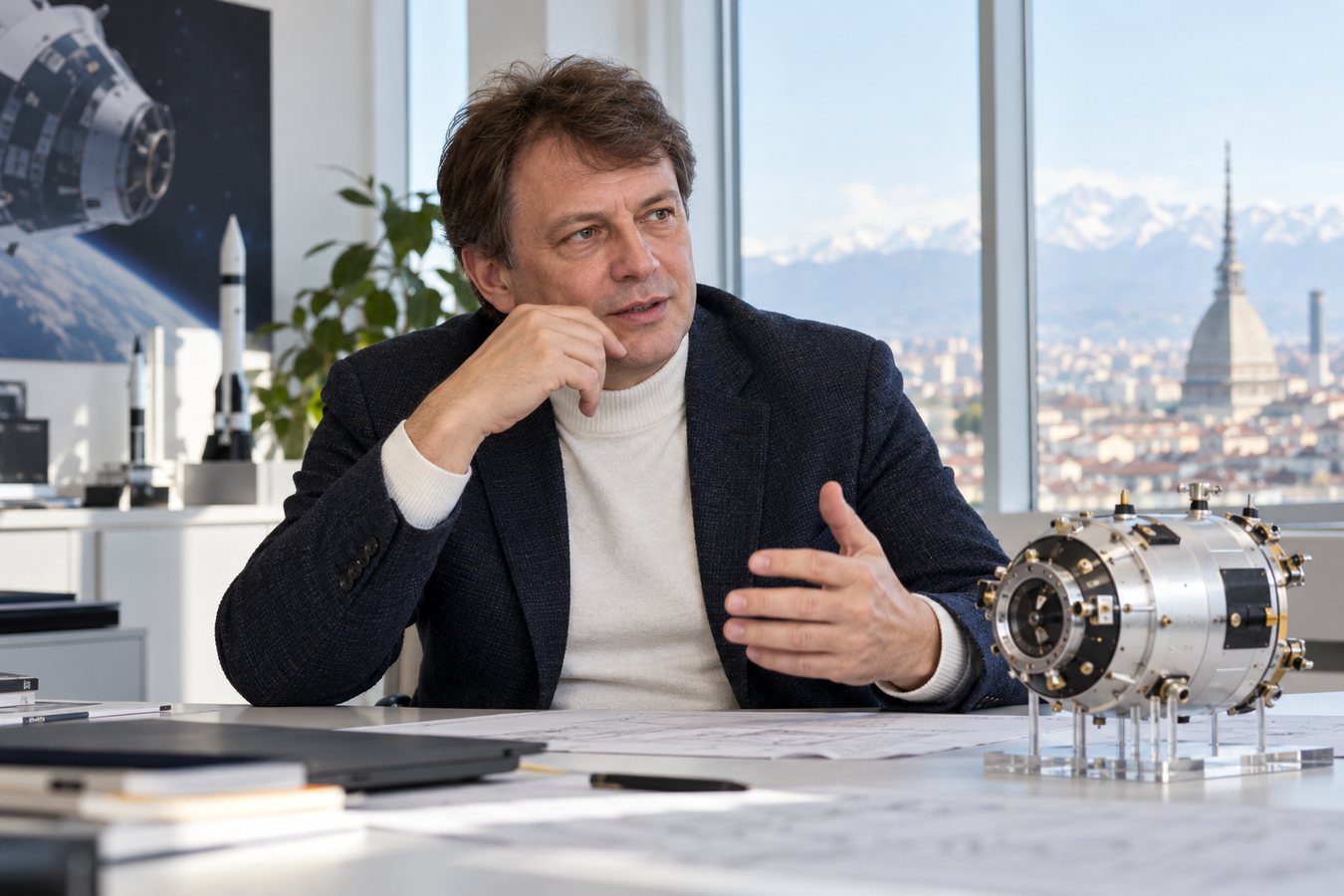
The story begins not in Turin, where the company now operates, but in the Soviet 1980s. The Kurs rendezvous system was created in the USSR by Kyiv developers and the Kyiv Radio Plant. According to InVenture, it has been used for more than 300 dockings of Soyuz and Progress spacecraft with the Mir station and the International Space Station. Usov is from Odesa, graduated from Odesa National Maritime University, is a member of the International Academy of Astronautics, and in 2020 headed the State Space Agency of Ukraine.
The Kurs legacy
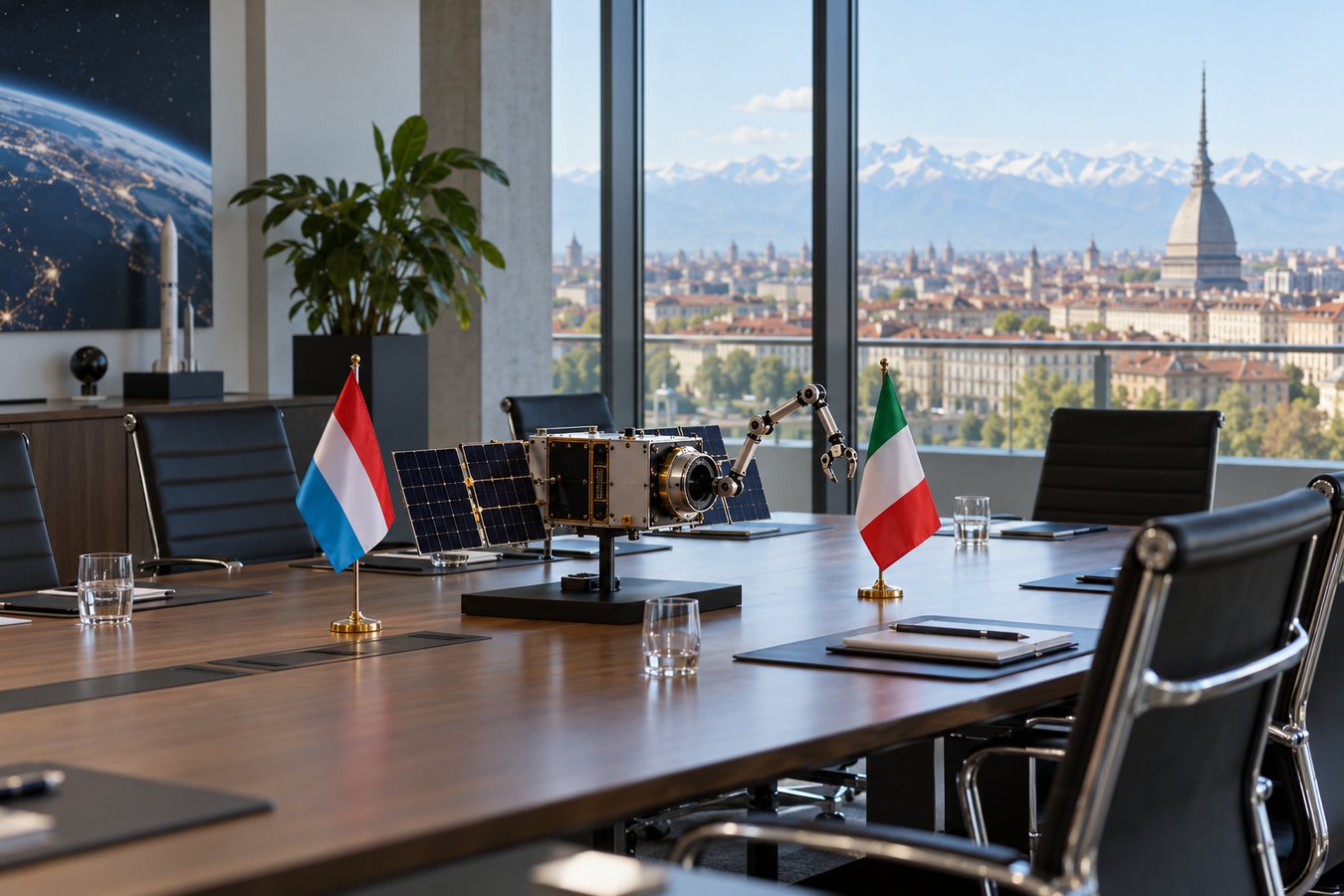
After the annexation of Crimea in 2014, supplies of Kurs to Russia ceased, and the team began looking for new products based on this legacy. Kurs Orbital, which Usov founded with associates, moved its legal and business presence to Italy: its office is in Turin, while development continued in Kyiv. A Ukrainian patent application was filed on 4 January 2022, and an international PCT application, which allows seeking protection for an invention in multiple countries, followed on 3 January 2023.
February 2022 became a trial. After Russia's full-scale invasion, some investors withdrew, and the bureau continued with less support. In the Obloo Ventures interview, Usov says the decisive factor was not a new market but a specific meeting. He refers to Vadym Vasyliev, co-inventor of the technology, with whom, according to Usov, the birth of the company is linked. It was the introduction to the original Kurs development, not a desire to build another rocket manufacturer, that determined the direction.
ARCap: an off-the-shelf module
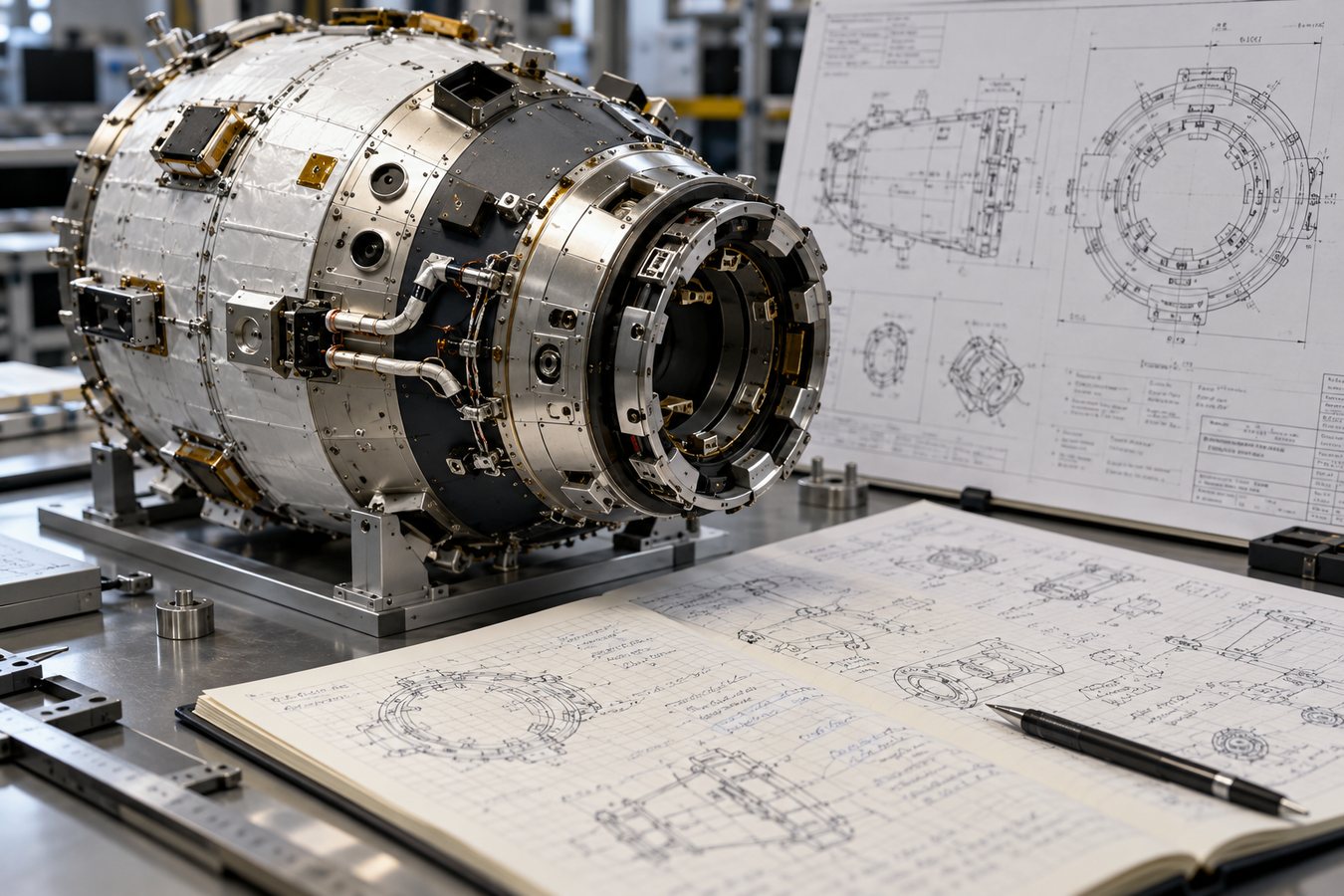
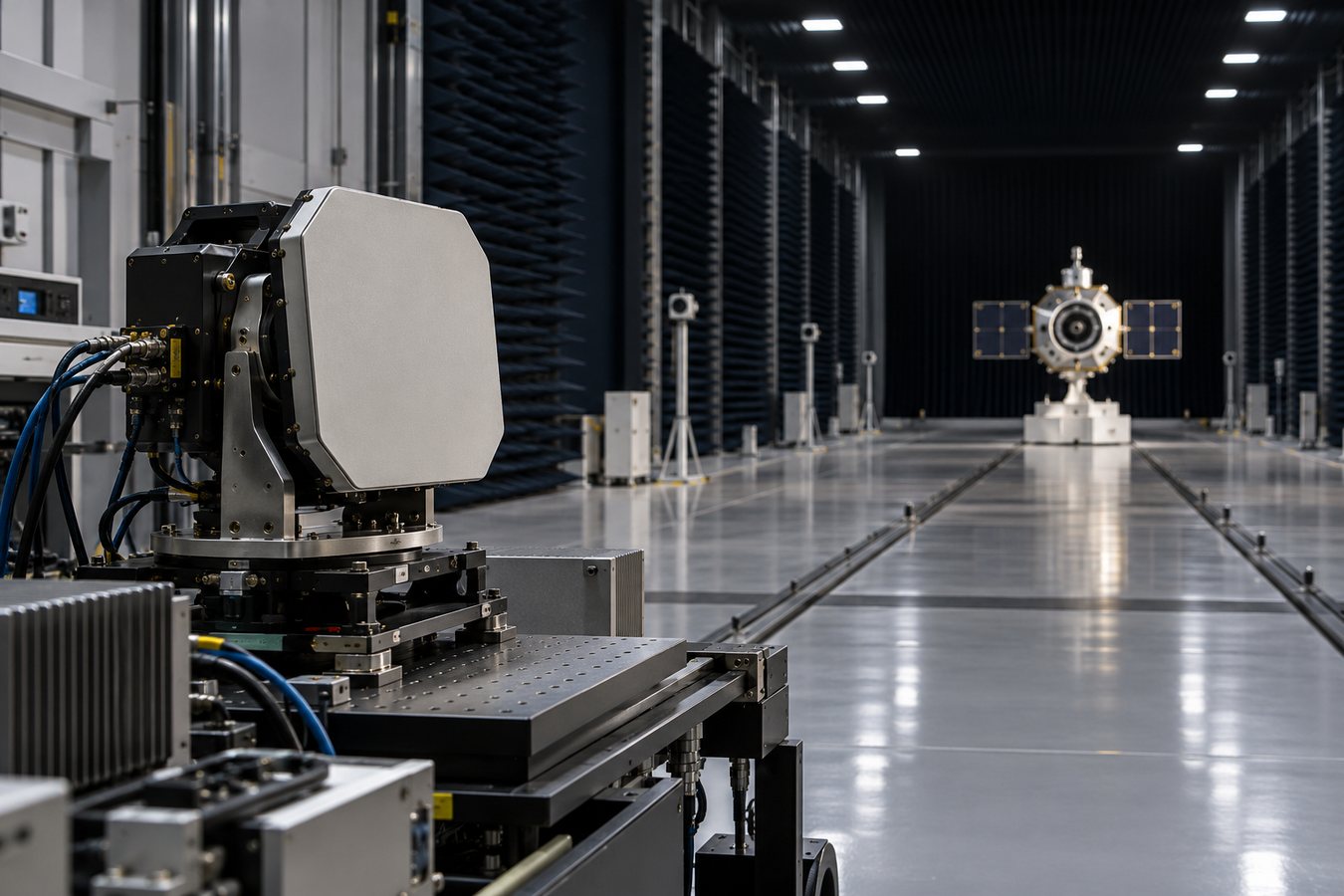
The company's main product is called ARCap. Usov calls it the first commercially available off-the-shelf solution. According to his description, after target capture the module takes over navigation of the spacecraft, switches sensors depending on the rendezvous phase, and then returns control. Initially the module was conceived as the basis for its own fleet of servicing spacecraft. That idea was abandoned because it required too much capital and time. But, as Usov emphasises, it was not abandoned entirely.
Progress on ARCap unfolded in the public eye. In November 2022, in an interview with AstroSpace, the company spoke of the module being 50–60% ready and of a flight in 2024. In 2022 the project won first place at the regional Start Cup Piemonte competition, whose prize fund was €10,000, as well as the Jacobacci Silver award. In January–March 2023 the team took part in the Saudi Space Commission Pre-Accelerator, a programme run by specialists from the Techstars accelerator.
Why fix satellites
Usov explains the point of orbital servicing with an everyday comparison that requires no knowledge of ballistics. Today satellites can be neither repaired nor refuelled, and once their resources are exhausted they are decommissioned or replaced with new ones. Usov puts it this way:
'How would you feel if you had to buy a new car every time the petrol ran out?'
The idea of extending the life of spacecraft in orbit explains why investors take the field seriously. In March 2024 the company closed a seed round of €3.7 million, equivalent to $4 million. OTB Ventures led, with participation from Credo, Galaxia (backed by CDP VC and Obloo Ventures), PiemonteNext, In-Q-Tel and Inovo. The team then numbered 11 people. The ARCap flight was planned for the end of 2025 as part of the round.
The Obloo Ventures column concludes with Usov's personal preferences. Among his favourites he named Denis Villeneuve's 'Dune', 'The Three-Body Problem' and Tsiolkovsky's book 'The Will of the Universe. Unknown Intelligent Forces'.
1