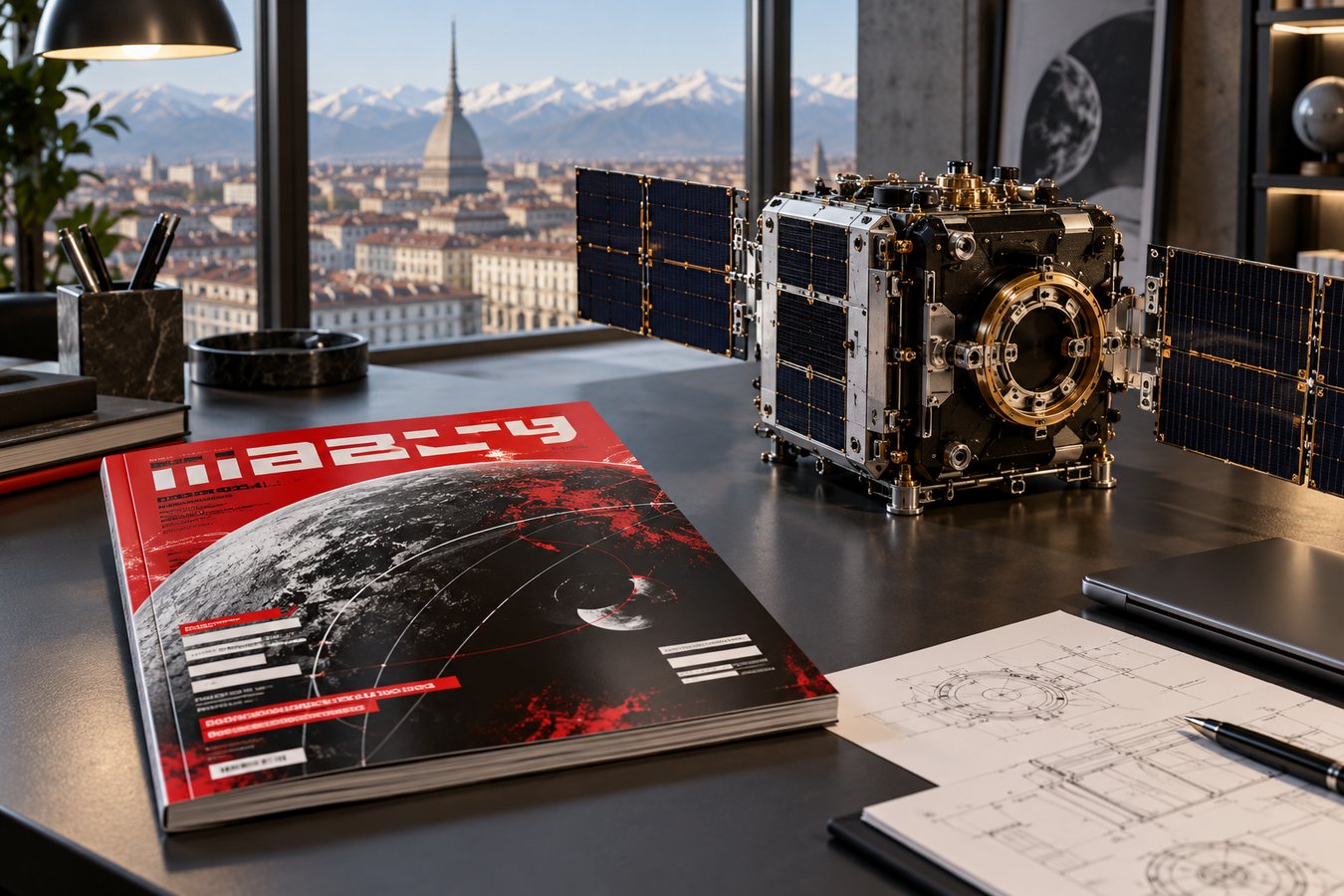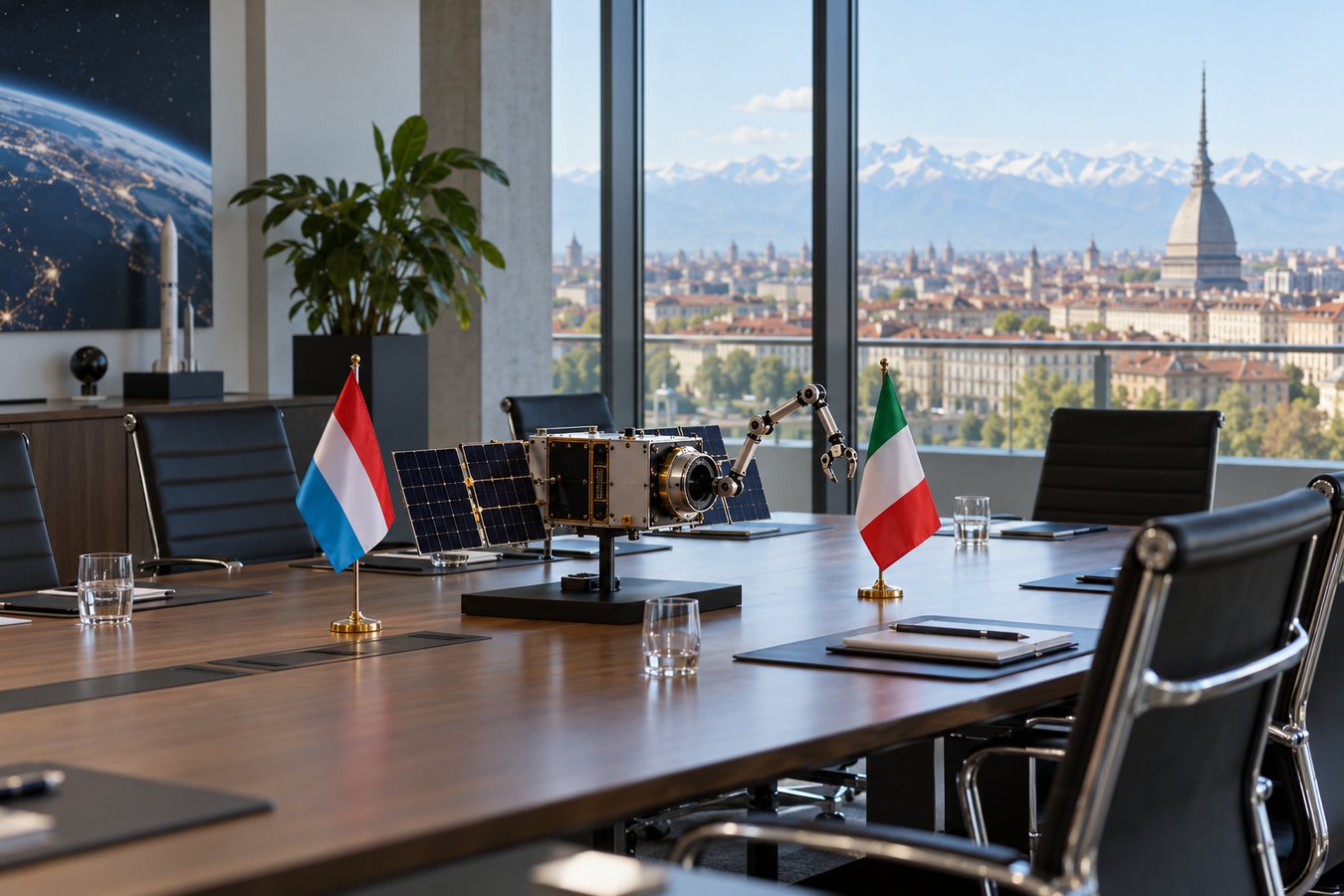
The meeting ran from 14:00 to 17:00 in the Agorà hall of the incubator at Corso Castelfidardo, 30/A. The event was held in English; admission was free but required registration. Guests were welcomed by Marc Serres, CEO of the Luxembourg Space Agency, Estelle Badi of the agency, and Giuseppe Scellato, president of I3P, who also coordinates ESA BIC Turin and teaches at the Polytechnic University of Turin. Ludovico Del Carretto of ESA BIC Turin gave the introduction. The ESA BIC network, or Business Incubation Centres, brings together the business incubators of the European Space Agency, and the Turin centre is one of its nodes.
The programme's pitch session featured Amphinicy, ClearSpace, ESRIC, ispace Europe, Evolunar, Hipparcos, Synchropal and Kurs Orbital. Swiss company ClearSpace develops technologies for removing space debris from orbit, while ispace Europe is linked to the European arm of the Japanese company that specialises in lunar landings. Kurs Orbital was represented, according to the programme, by CEO Volodymyr Usov. Its appearance before the Turin audience was no accident: the company has long worked with Turin and the local startup ecosystem.
The system that became the basis of a business
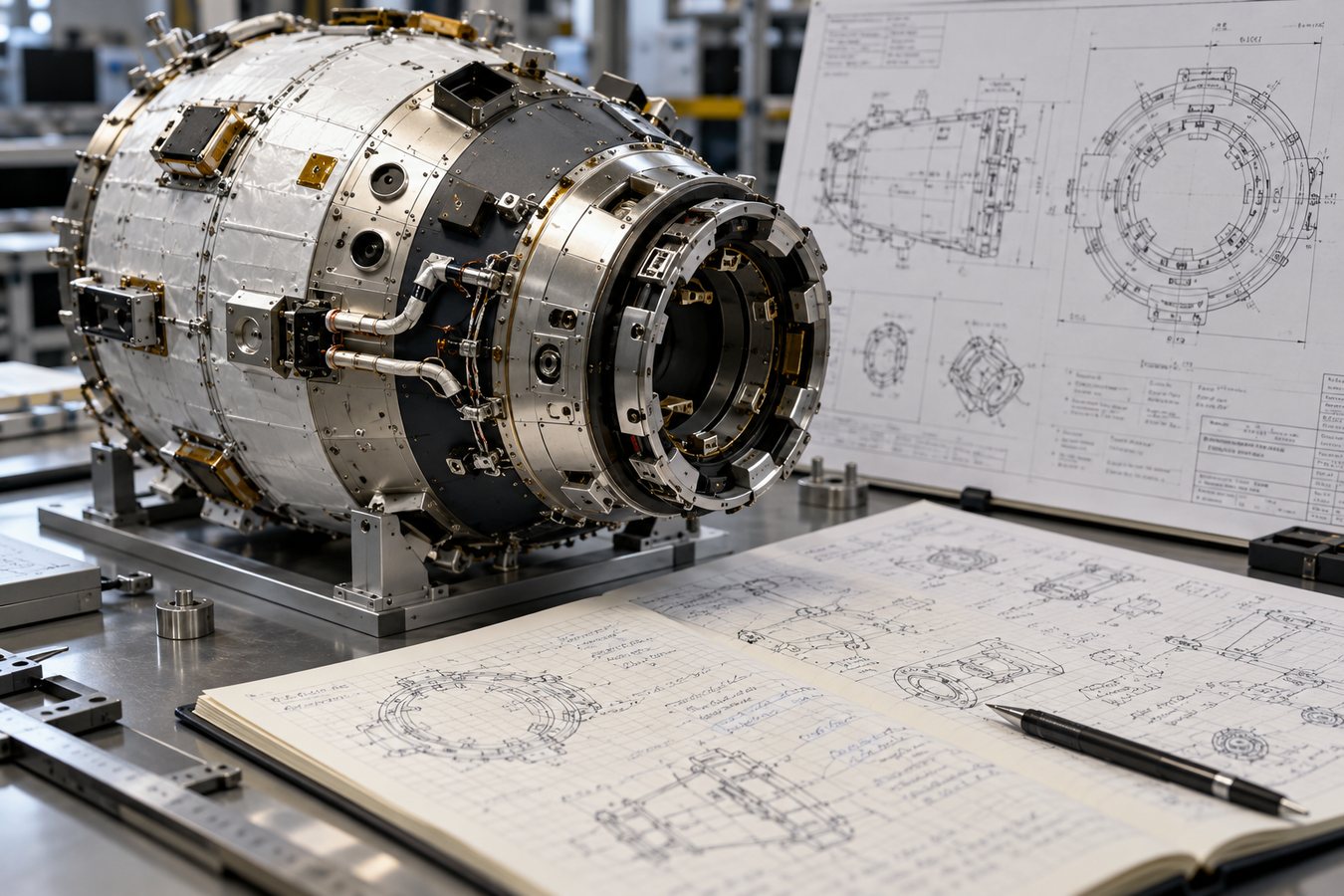
The company's roots go back to Soviet space technology. The Kurs rendezvous system was created in the 1980s in the USSR; its developers worked in Kyiv, and production was tied to the Kyiv Radio Plant. According to InVenture, it has been used for more than 300 dockings of Soyuz and Progress spacecraft with the Mir station and the International Space Station. After the annexation of Crimea in 2014, supplies of Kurs to Russia ceased, and the team working with the technology began looking for new products based on the accumulated experience.
Usov was born in Odesa and graduated from Odesa National Maritime University. He is a member of the International Academy of Astronautics and in 2020 headed the State Space Agency of Ukraine. That same year, the country passed a law on private space companies. The company itself, according to Payload, InVenture, Via Satellite and European Spaceflight, was founded in 2021, and its Italian legal entity, a limited liability company registered in Turin, appeared in 2022. Usov links the birth of the project to Vadym Vasyliev. The patent application was filed in Ukraine on 4 January 2022, the international PCT application on 3 January 2023, and the US patent was granted on 6 January 2026 under number US12515824B2. Leonid Godunok and Vadym Volkov are named as co-inventors.
February 2022 was a turning point for the project. After Russia's full-scale invasion, investors began to withdraw, and the company kept its office in Turin while development remained in Kyiv. The bureau described this arrangement as workable in an interview.
Turin, money and the Moon
In November 2022, Kurs Orbital took first place at Start Cup Piemonte, a regional startup competition, winning 10,000 euros and the Jacobacci Silver prize. At the same competition it was alongside Synchropal, which is also now listed in the programme of the Turin meeting. In 2022 the company began cooperating with Swiss firm ClearSpace, and the connection persists to this day. Between January and March 2023, Kurs Orbital completed the pre-accelerator of the Saudi Space Commission with the participation of Techstars, and in 2023 it joined the Seraphim Space Camp.
In March 2024 the startup raised a seed round of 3.7 million euros, or about 4 million dollars. The round was led by OTB Ventures, whose partner Wojtek Walniczek became one of the key investors. Credo, Galaxia (linked to CDP VC and Obloo), PiemonteNext (created jointly with CDP VC and Finpiemonte), In-Q-Tel and Inovo also participated. At that time the team numbered 11 people. In December 2024 the bureau received the status of "ESA BIC Turin Start-up of the Year", and on 30–31 December of the same year the company secured a subsidised loan from Invitalia Smart&Start worth 1.1 million euros.
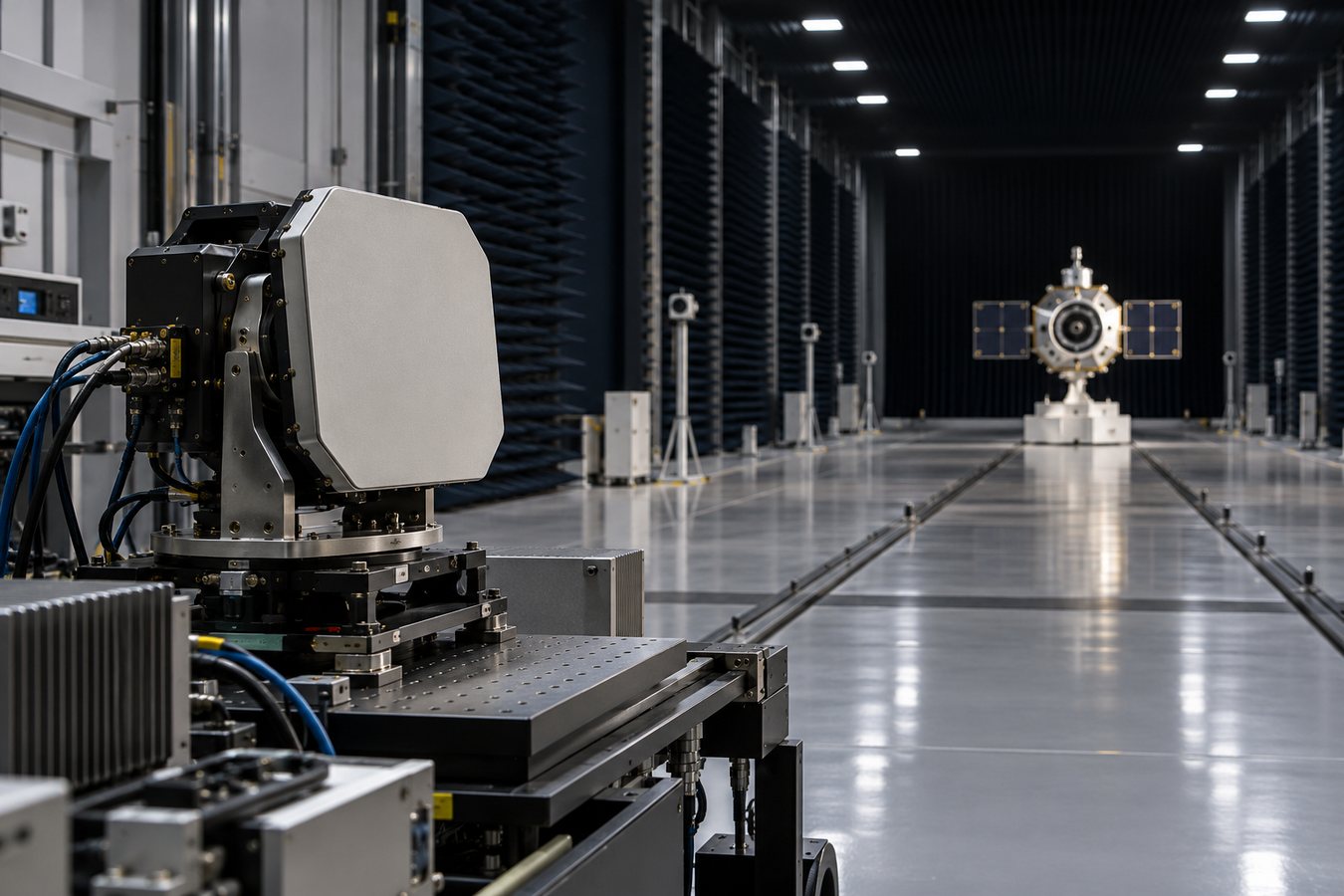
The company's main technology project is ARCap. Initially the launch was planned for 2022; in November of that year, in an interview with AstroSpace, the developers spoke of 50–60 percent readiness and a mission in 2024. The timeline then shifted to the end of 2025. In January 2026 the company conducted ground tests of a radar operating at ranges up to one kilometre. There is no information about an ARCap flight in open sources.
The programme of the Turin meeting concluded with business contacts. From 16:00 participants moved to B2B meetings, and according to the schedule the pitches gave way to negotiations between startups, investors and agency representatives.
1