The starting point of the column was Elon Musk's 2021 statement that many of the first settlers on Mars would likely die. Usov develops this idea: the ship and life-support systems may be ready before the human body is. There are several arguments. In 2021, NASA selected ten astronauts from twelve thousand candidates, meaning the selection was extremely rigorous. Mars' gravity is about 38 percent of Earth's, and an organism that evolved under full Earth gravity will have to be adapted to a weaker field.
According to the author, adaptation will have to be genetic. He cites natural solutions: elephants have several extra copies of the p53 gene, which is involved in tumor suppression, and Tibetans commonly carry a variant of the EPAS1 gene that helps them live at high altitudes where oxygen is scarce. Usov borrows the list of protective variants that could be useful to astronauts from geneticist George Church. In the same column, he mentions Colossal Biosciences, which Ben Lamm and George Church founded to work with genomes. According to the column, it raised $250 million at a valuation of $1 billion, and Usov cites this example as evidence that the money in this field already exists.
The Womb Outside the Body
The second major theme was ectogenesis, that is, growing an embryo outside the womb. Usov refers to the artificial wombs Biobag and EVE, as well as to experiments at the Weizmann Institute in Israel, where mouse embryos developed outside the womb for 11–12 days. The idea is to send not adults but embryos into deep space, and to carry out gestation in artificial conditions. To support this, he relies on a study by Matthew Edwards published in the International Journal of Astrobiology, and calls this approach embryo colonization.
The final thought of the column is stated without qualification:
We are a historical novelty capable of directing the very path of evolution
This pathos fits well with the author's biography, but the column itself is not about space infrastructure. It is about the fact that, according to Usov, the survival of the species beyond Earth requires intervention in our own nature.
What Stands Behind the Author
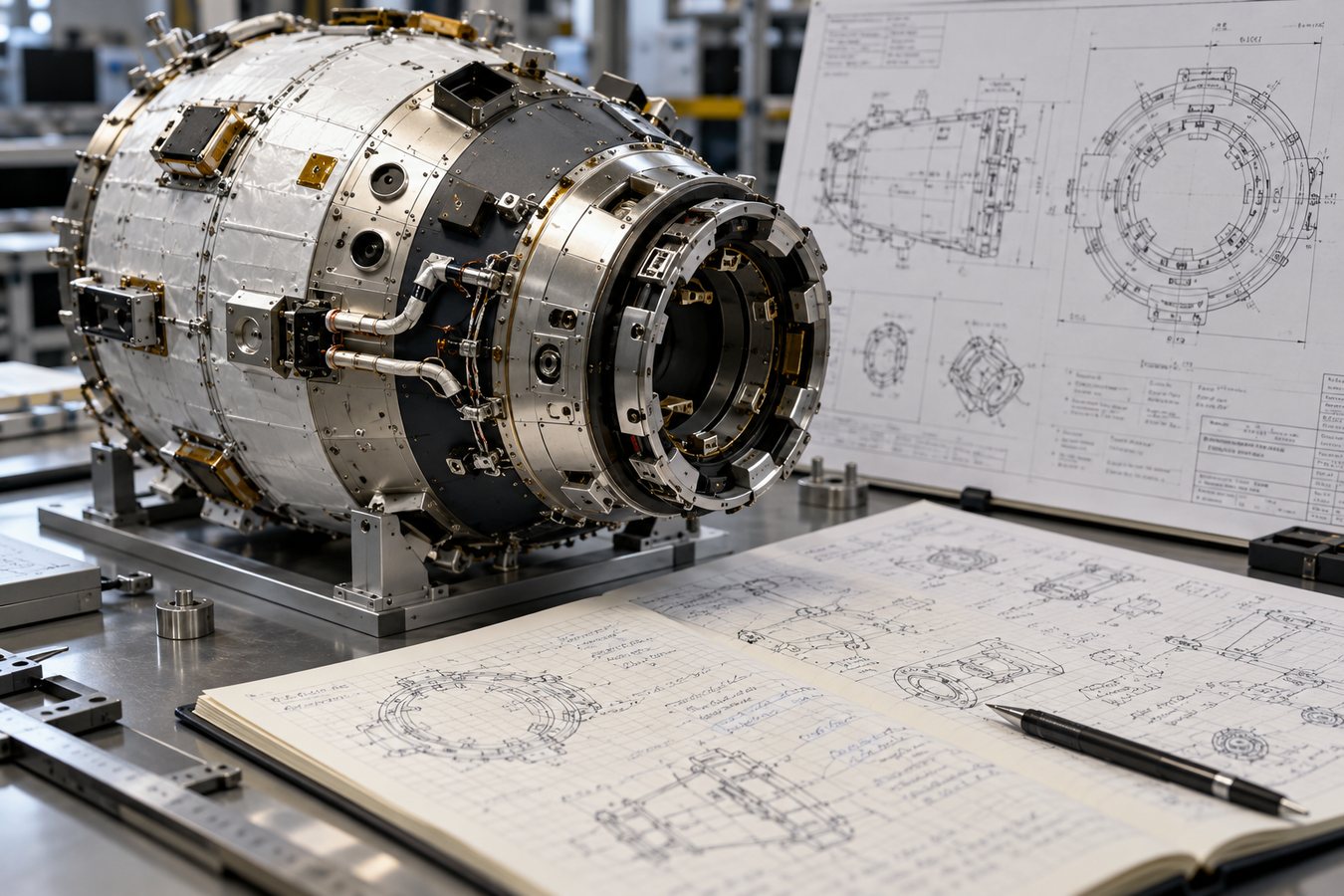
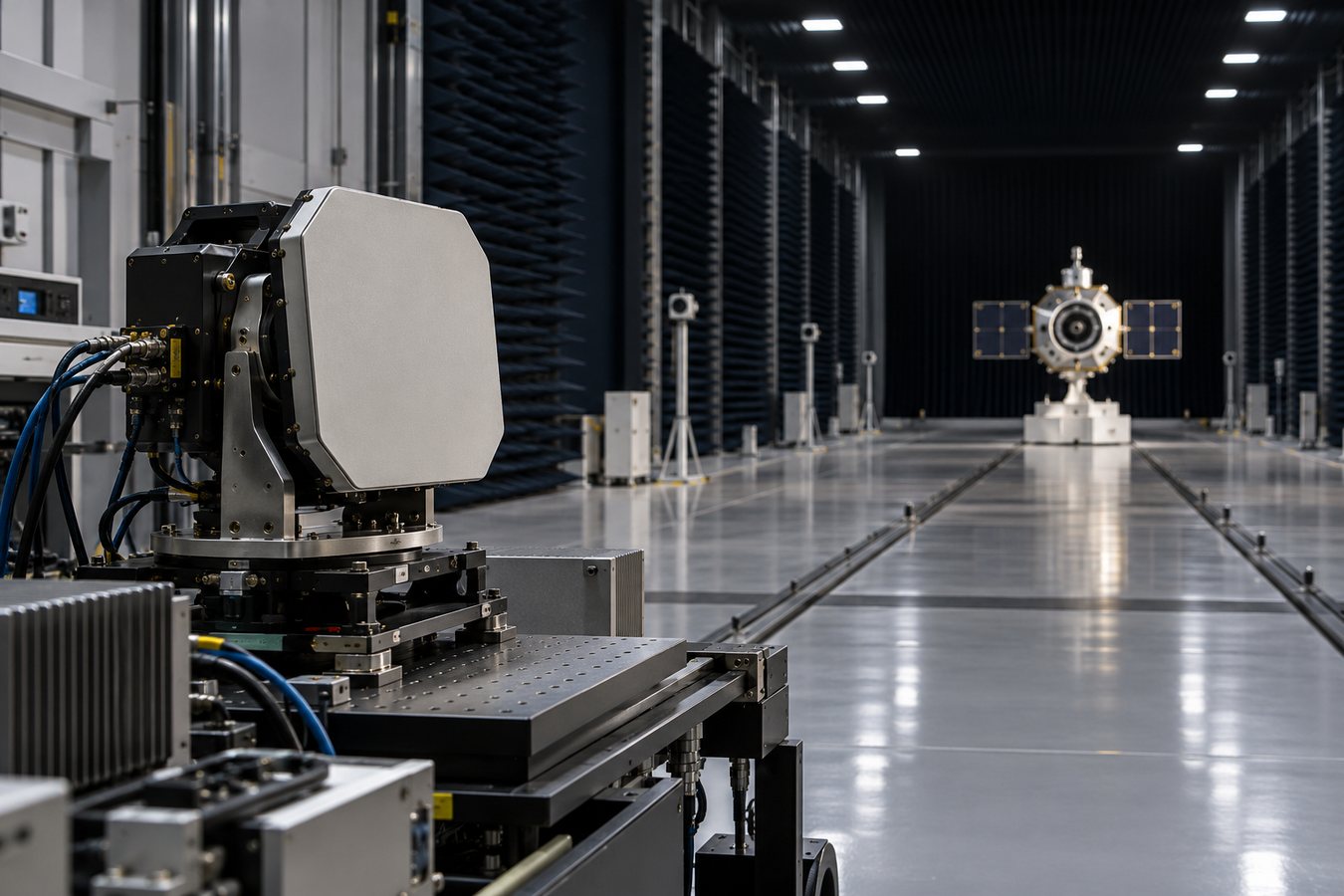
Kurs Orbital grew out of the legacy of the Kurs rendezvous system, which was developed in the USSR at Kyiv enterprises. Such systems docked Soyuz and Progress spacecraft with the Mir orbital station and the ISS, and, as InVenture reported, such dockings numbered more than 300. After the annexation of Crimea in 2014, Kurs supplies to Russia ceased, and the team began looking for new products on the same technological basis. Usov was born in Odesa, graduated from Odesa National Maritime University, and headed the State Space Agency of Ukraine in 2020 and 2021, as stated in his author bio on Space.com.
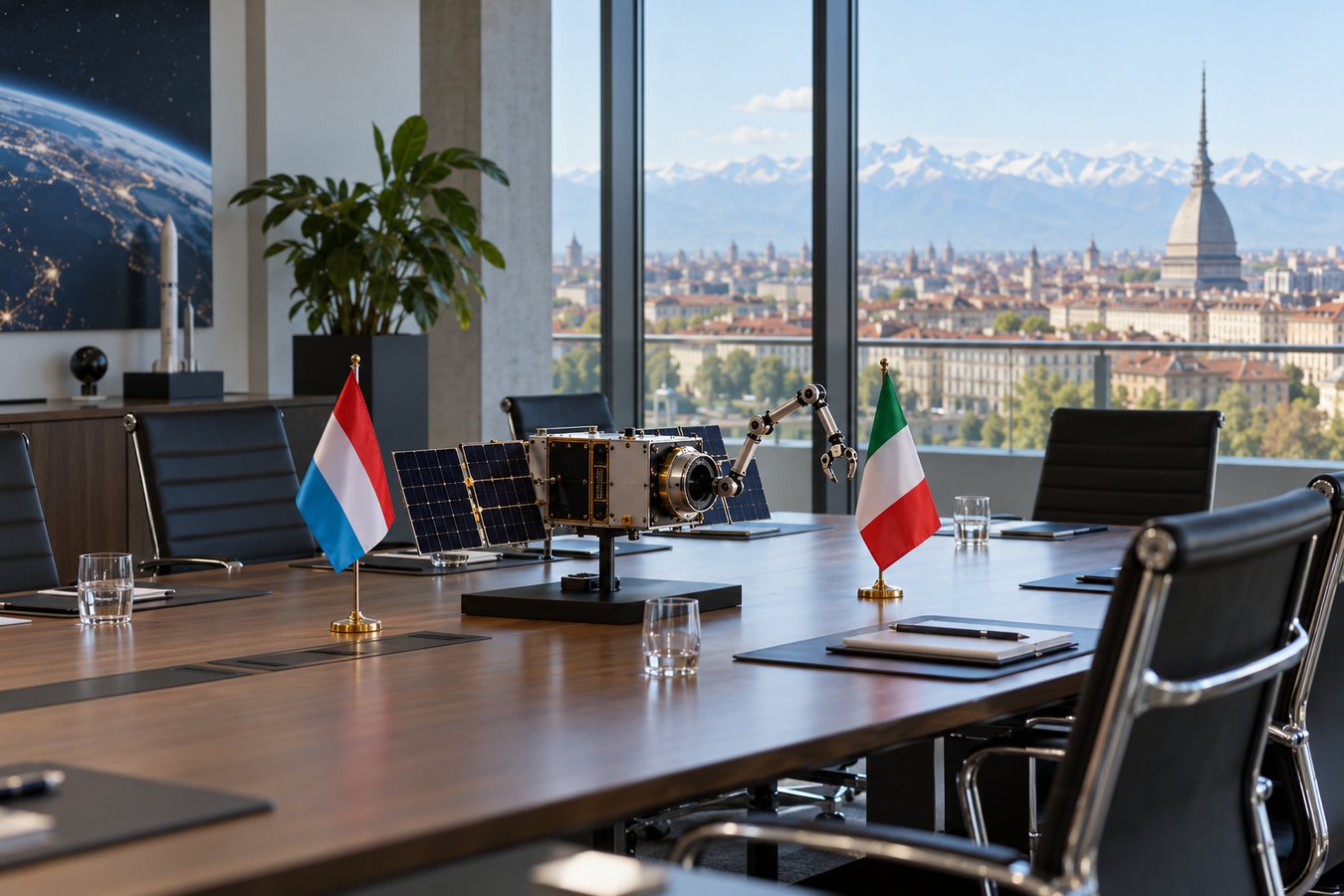
After the February 2022 invasion, investors withdrew from the project. The company's office operates in Turin, while development remained in Kyiv. In November 2022, the startup won Start Cup Piemonte VdA, receiving €10,000 and the Jacobacci Silver prize. In March 2024, Kurs Orbital announced a seed round of €3.7 million, approximately $4 million. OTB Ventures led the round, with Credo, Galaxia, In-Q-Tel, and Inovo among the investors, and the team at that time numbered 11 people.
1