Via Satellite is an industry publication covering the satellite sector, and its overview was prepared for the December issue. Pultarova had already written about Ukrainian spaceflight for Space.com, so the topic was not new to the editorial team. She begins with the legal vacuum: until 2020, private space business in Ukraine did not formally exist. “Only in 2020 was legislation finally passed,” recalled Usov, who at the time headed the State Space Agency of Ukraine (SSAU). When the law appeared, teams were just beginning to form, and two years later their plans were broken by war.
Money leaves before rockets
The first to be hit was Promin Aerospace, founded by Vitaliy Yemets and Misha Rudominsky. In February 2022, the company was seeking a seed round of $3.5 million, and investors put the deal on pause. A seed round is the earliest money, usually intended for a prototype and the first employees, so for the team the pause meant not a delay but a threat to survival. Dmytro Khmara's Lunar Research Services chose another path: the MySat project gave way to balloons for the army. The company switched to a product that could be shown to a customer within the coming months.
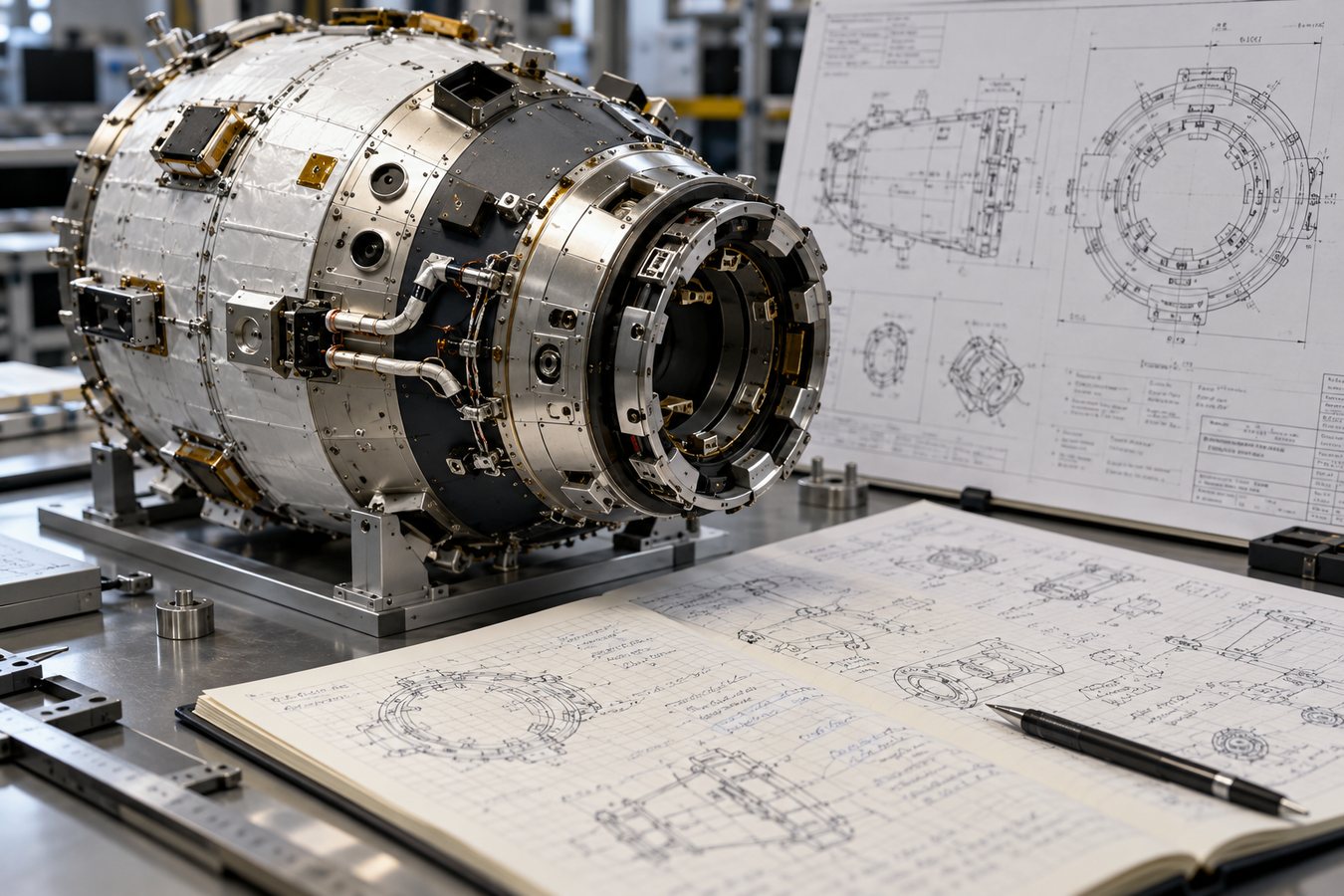
The most illustrative case is Kurs Orbital. The company was founded about a year before the invasion and draws on the heritage of the Kurs rendezvous system. That system appeared in the 1980s in the USSR, and Kyiv developers and the Kyiv Radio Plant were part of it. According to InVenture, with its help Soyuz and Progress spacecraft docked with the Mir orbital station and the ISS more than 300 times. Deliveries of Kurs to Russia ceased back in 2014, after the annexation of Crimea, and the team began looking for new applications for the same technological base.
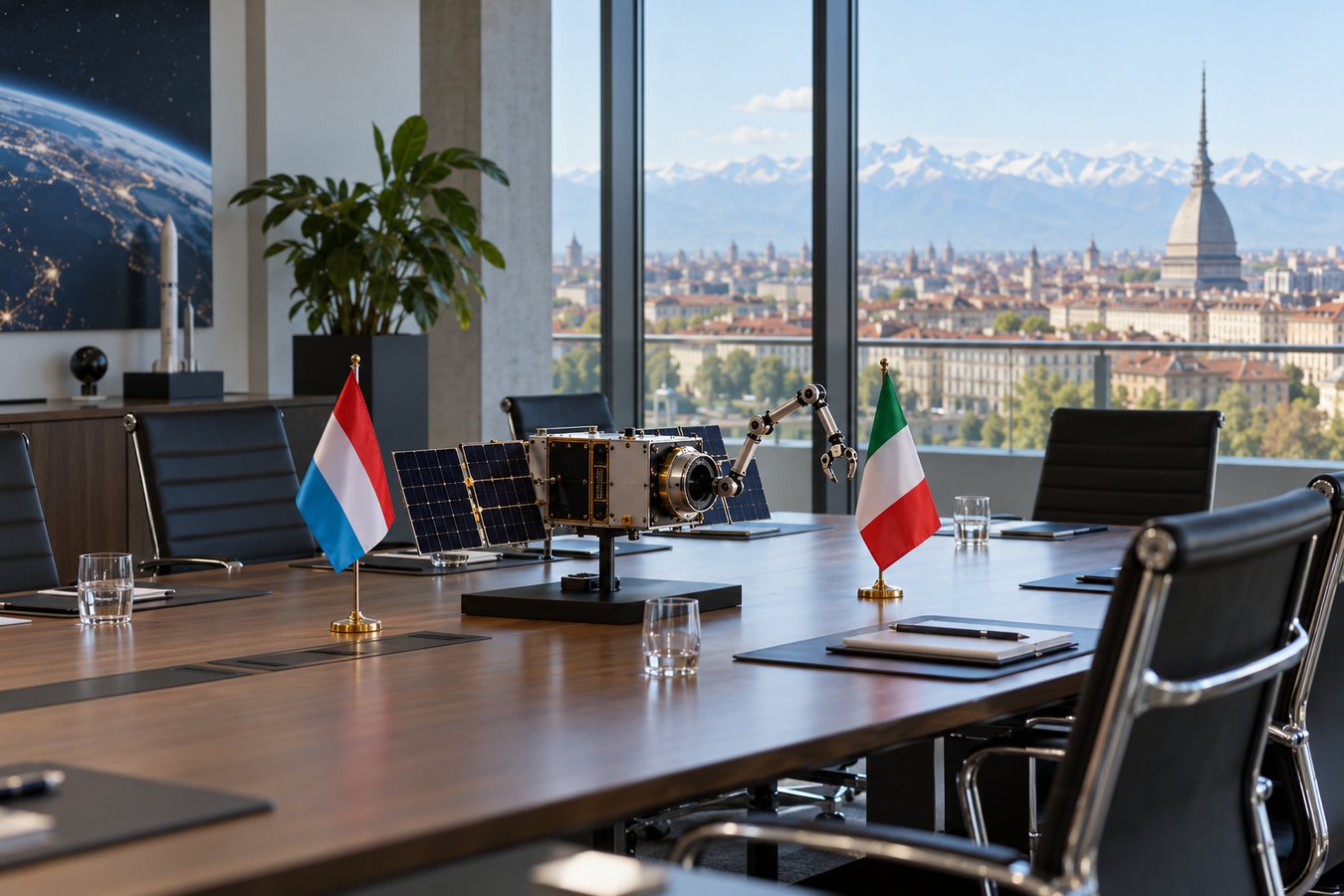
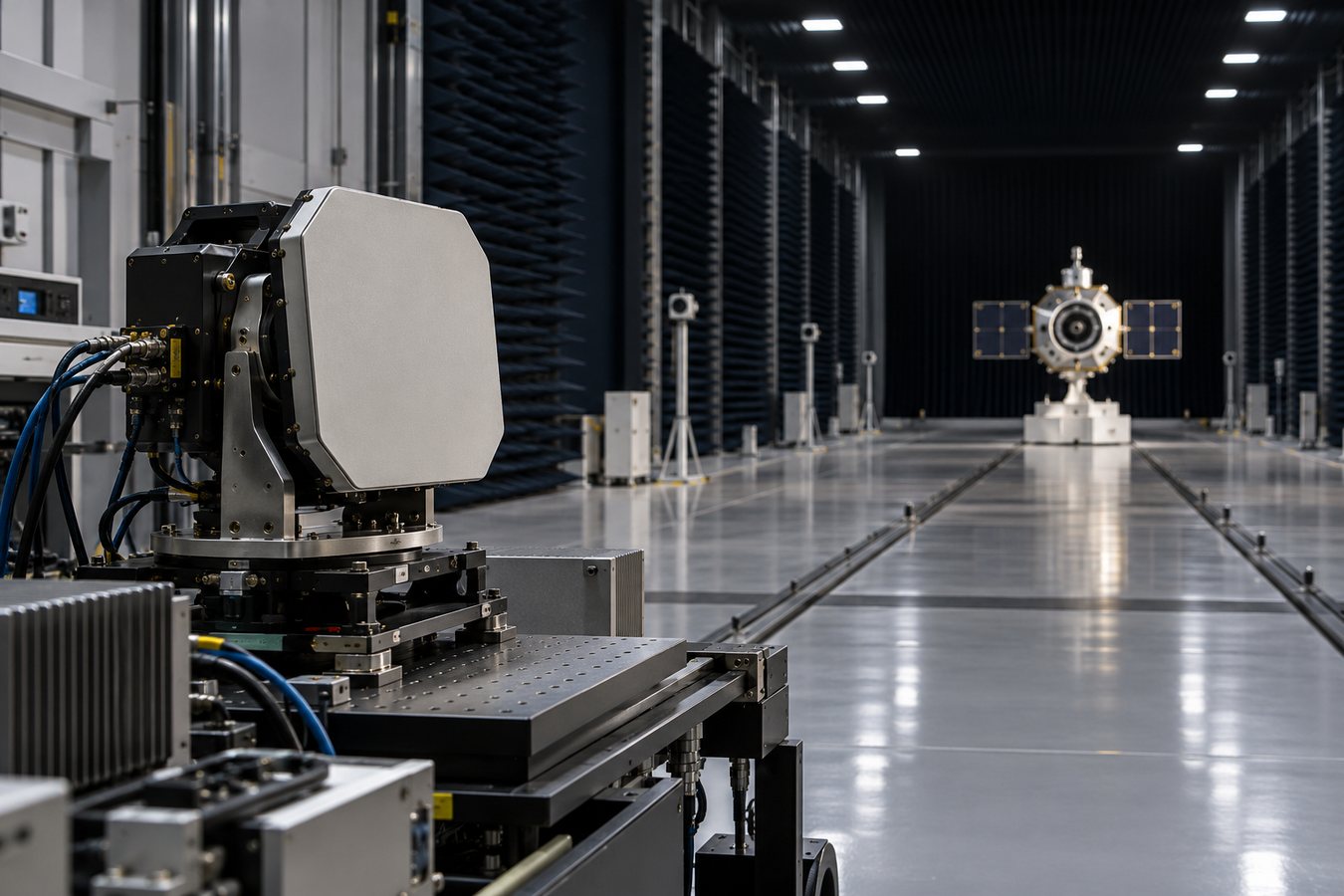
Kurs Orbital was also in talks to raise money, and the invasion stopped them. Investors left, but the team did not give up: the company opened an office in Turin, while development remained in Kyiv. The partnerships that were preserved are telling. The company works in programs of the European Space Agency (ESA) and the U.S. Defense Advanced Research Projects Agency (DARPA), and in both cases it is about technology, not charity. Back in 2022, the project won first place at the Start Cup Piemonte competition, where it received €10,000 and the Jacobacci Silver prize.
What Usov proposes
Usov himself, after leaving the agency in 2021, according to Via Satellite, remained in the industry as an entrepreneur and adviser. His main proposal to the state concerns financing. He asks that the SSAU create a program to support early-stage space startups modeled on NASA, which in the U.S. has long worked with small teams through grants and contracts. He considers Ukraine's entry into ESA premature and is skeptical of the idea. The reason is simple: in his logic, one must first support one's own teams, and only then think about membership in others' structures.
“In the world of technology today, speed is the number one factor,” says Usov.
He also cites the Israeli saying that if life hands you lemons, you should make juice out of them. For Ukrainian startups there is direct sense in this: Israel also lives under constant threat, yet has built a dense ecosystem of small technology companies, and Usov bets on that experience. The overview also mentions Roman Malkevych, who in 2020 won NASA Space Apps, the international NASA hackathon that became the first step into the industry for many Ukrainian developers.
What happened next
In spring 2024, Kurs Orbital received a seed round of €3.7 million, equivalent to roughly $4 million. The lead investor was OTB Ventures, with Credo, Galaxia, PiemonteNext, In-Q-Tel and Inovo also participating in the round. The team at that point numbered 11 people. The flight of the ARCap project, originally planned for 2024, was eventually postponed to the end of 2025.
1