The occasion was the August 1, 2023, flight, the last for Northrop Grumman's Antares 230 series rocket. Antares delivered cargo to the International Space Station, and its first stage was assembled in Dnipro. The engines, however, were Russian, and according to Usov, it was precisely this cooperation that the war destroyed. This is not Usov's own op-ed but Pultarova's report built on his words.
The conversation then turned to the Yuzhnoye and Yuzhmash enterprises, which also operate in Dnipro. Before the war, they produced launch vehicles, including Zenit, and made upper stages for Europe's Vega and Vega C, light rockets by Italy's Avio. According to Usov, this cooperation is coming to an end. Both plants have repeatedly been shelled and, as he said, work mainly on defense programs. Avio did not confirm that it is looking for replacements for Ukrainian suppliers, but, as Space.com wrote, hinted at a European replacement.
America's Firefly, which six years ago opened a large research center in Dnipro, has left the country. For the industry, this is the departure of one of the new players who chose Dnipro as a research site, not just as a source of engineers.
Damage Not Visible in Photos
Usov called the most important thing in the interview not the shelling. Before the invasion, 16,000 people worked at enterprises of the State Space Agency of Ukraine, almost as many as at NASA. Speaking of losses, he compares them not to destroyed workshops but to lost connections:
“I see more damage from those collaborations that no longer exist than from direct airstrikes.”
He sees the way out in partners' trust. “It's about integrating Ukraine into their supply chains, trusting Ukraine, because Ukraine can do it,” Usov said.
A Course That Survived the Break
Usov's personal story is tied to the Kurs rendezvous system, which in the 1980s was created in the USSR by Kyiv developers and the Kyiv Radio Plant. According to InVenture, it has been used for more than 300 dockings of Soyuz and Progress spacecraft with the Mir station and the ISS. In 2014, after the annexation of Crimea, supplies of Kurs to Russia ceased, and the team began looking for new products based on this heritage.
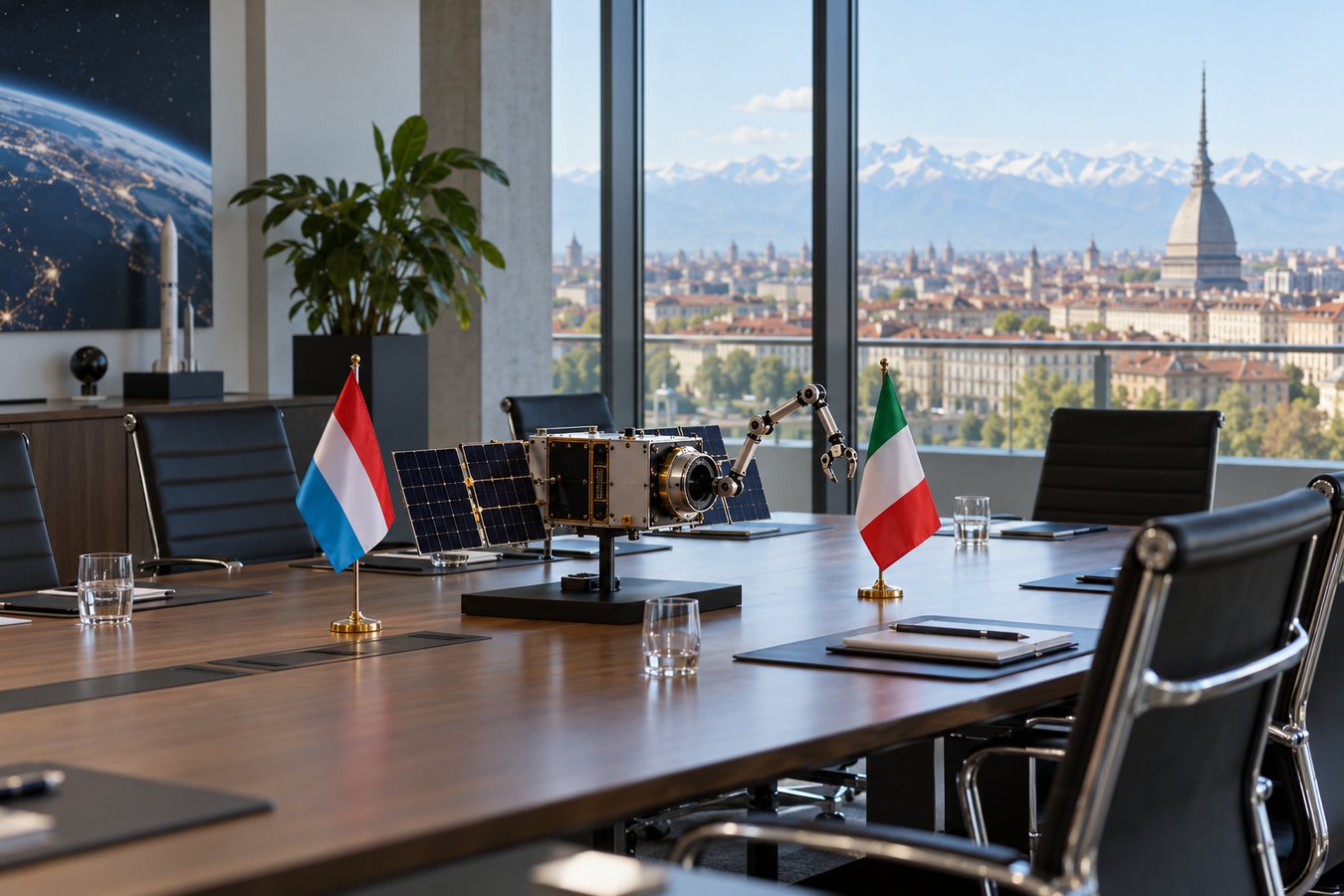
Usov headed the State Space Agency in 2020. He is now co-founder and CEO of Kurs Orbital. The company's research part is in Kyiv, the team works in Turin, and support is provided by the ESA BIC program, the European Space Agency's business incubator. Usov himself left Odesa for Italy.
In 2020, the country adopted a law on private space companies, and new players were just beginning to emerge when the invasion began in February 2022. Investors withdrew, the company's office ended up in Turin, and research remained in Kyiv. Usov ties the industry's future not to restoring a single enterprise but to returning to supply chains where Ukrainian engineers become suppliers again, not just surviving personnel.
On November 28, 2023, Pultarova returned to the topic in a piece for Via Satellite, in which she again spoke with the former head of the space agency.
1