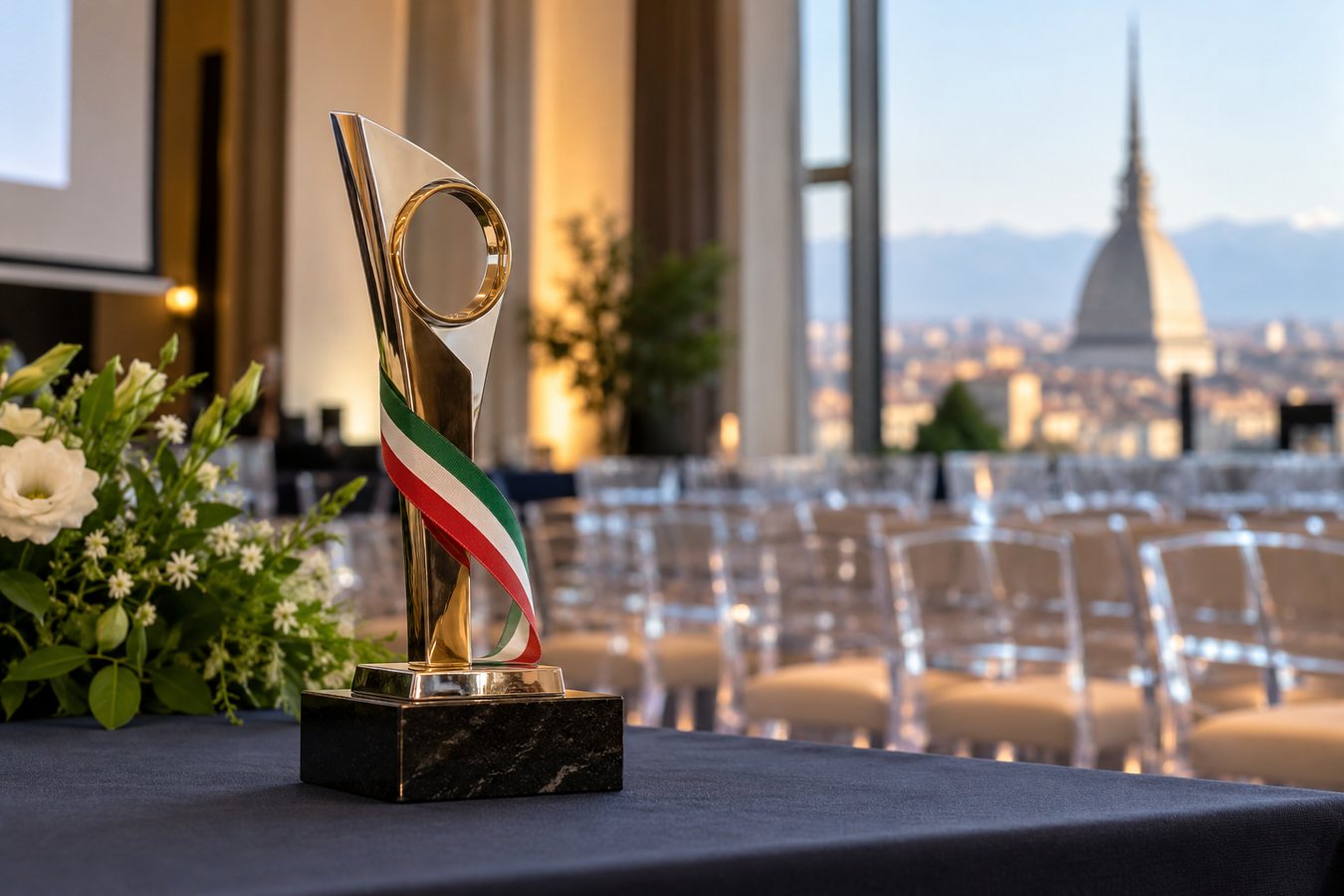
The Start Cup is the regional stage of the Premio Nazionale per l'Innovazione, PNI, Italy's top innovation award. The competition was organised by three incubators: I3P, 2i3T and Enne3. This year it was held for the eighteenth time. The jury chose the winner from 173 business entries, and in total more than 65,000 euros in cash and services were distributed to participants.
Second place and 7,500 euros went to the Turin company Mespac, whose CEO is Andrea Gulisano. The same company also took the UniCredit Start Lab prize. Another award of 7,500 euros, the Cuneo prize, went to the M.O.D.O. project by Synchropal.
A system conceived in the USSR
The technology on which Kurs Orbital builds its business harks back to the Soviet rendezvous system Kurs. It was developed in the 1980s, with Kyiv specialists and the Kyiv Radio Plant playing a key role. According to InVenture, more than 300 dockings of Soyuz and Progress spacecraft with the Mir station and the ISS were carried out using Kurs. The system measured range and closing velocity and provided automatic guidance of the spacecraft to the station.
In 2014, after the annexation of Crimea, deliveries of Kurs to Russia ceased. The system's legacy became the basis for new products that the company is developing in a different country. Volodymyr Usov headed the State Space Agency of Ukraine, SSAU, in 2020. According to InVenture, his tenure at the agency lasted from January to November 2020, although some publications indicate the period 2020–2021. In the same year, 2020, Ukraine passed a law on private space companies.
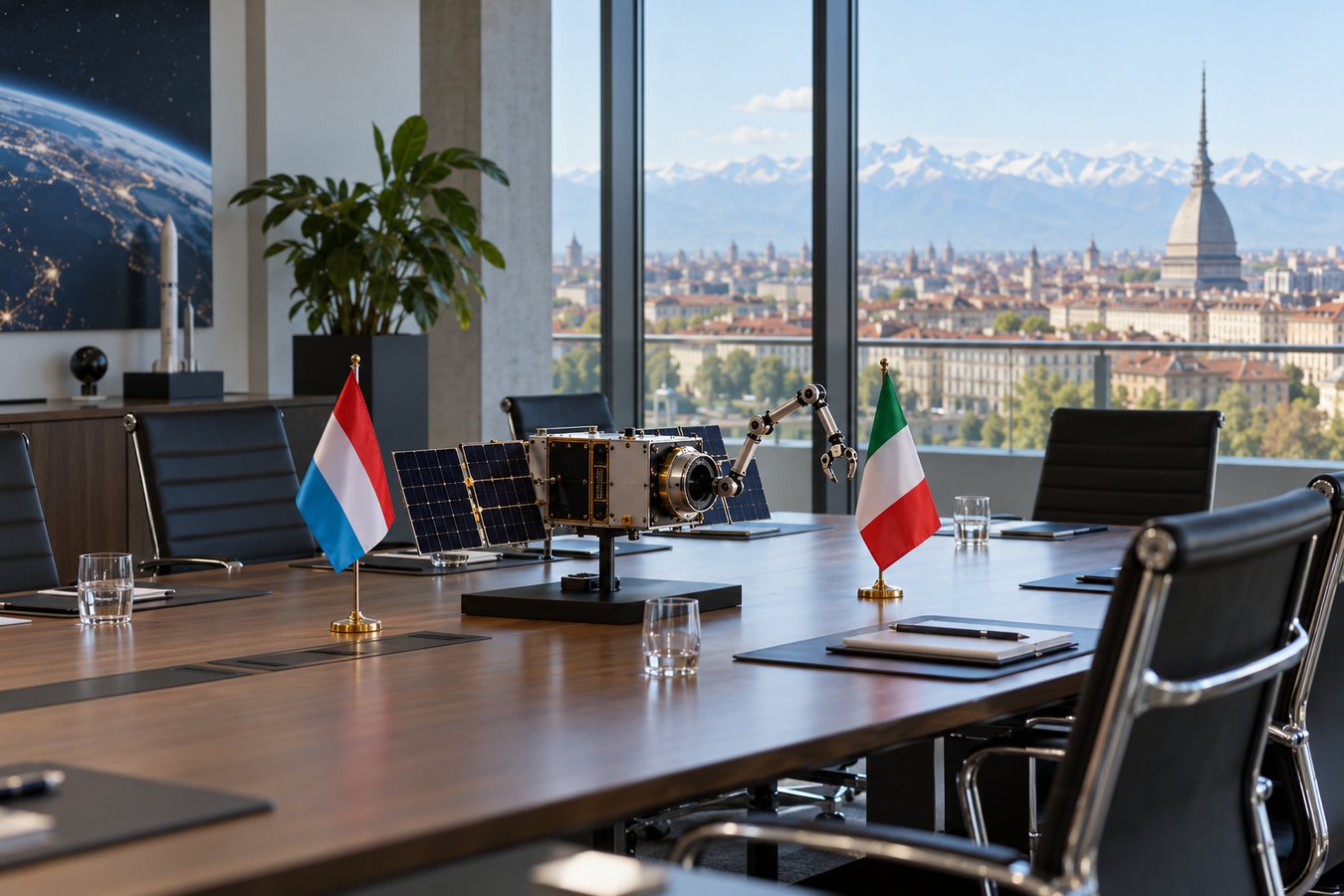
Kurs Orbital, as described by ESA BIC Turin, is engaged in the inspection and servicing of spacecraft in orbit. The company extends the life of satellites and removes space debris. At the time of the competition, it was already being incubated at I3P and participating in the ESA BIC Turin programme, that is, in the European business incubator of the European Space Agency. Usov spoke of his plans without cautious reservations:
“The desire to open a new market in orbit thanks to the technology we are developing is not a joke,” said its CEO Volodymyr Usov.
From Odesa to Turin
Volodymyr Usov was born in Odesa and graduated from the Odesa National Maritime University. He is a member of the International Academy of Astronautics and lives in Turin. In an interview, he links the birth of the company to Vadym Vasyliev, with whom he worked on the idea together.
In February 2022, Russia launched a full-scale invasion of Ukraine, and some investors withdrew from the project. The company's office is in Turin, while research and development remain in Kyiv. As early as 4 January 2022, the company filed a Ukrainian patent application for the technology, and in January 2023 it filed an international application under the PCT procedure.
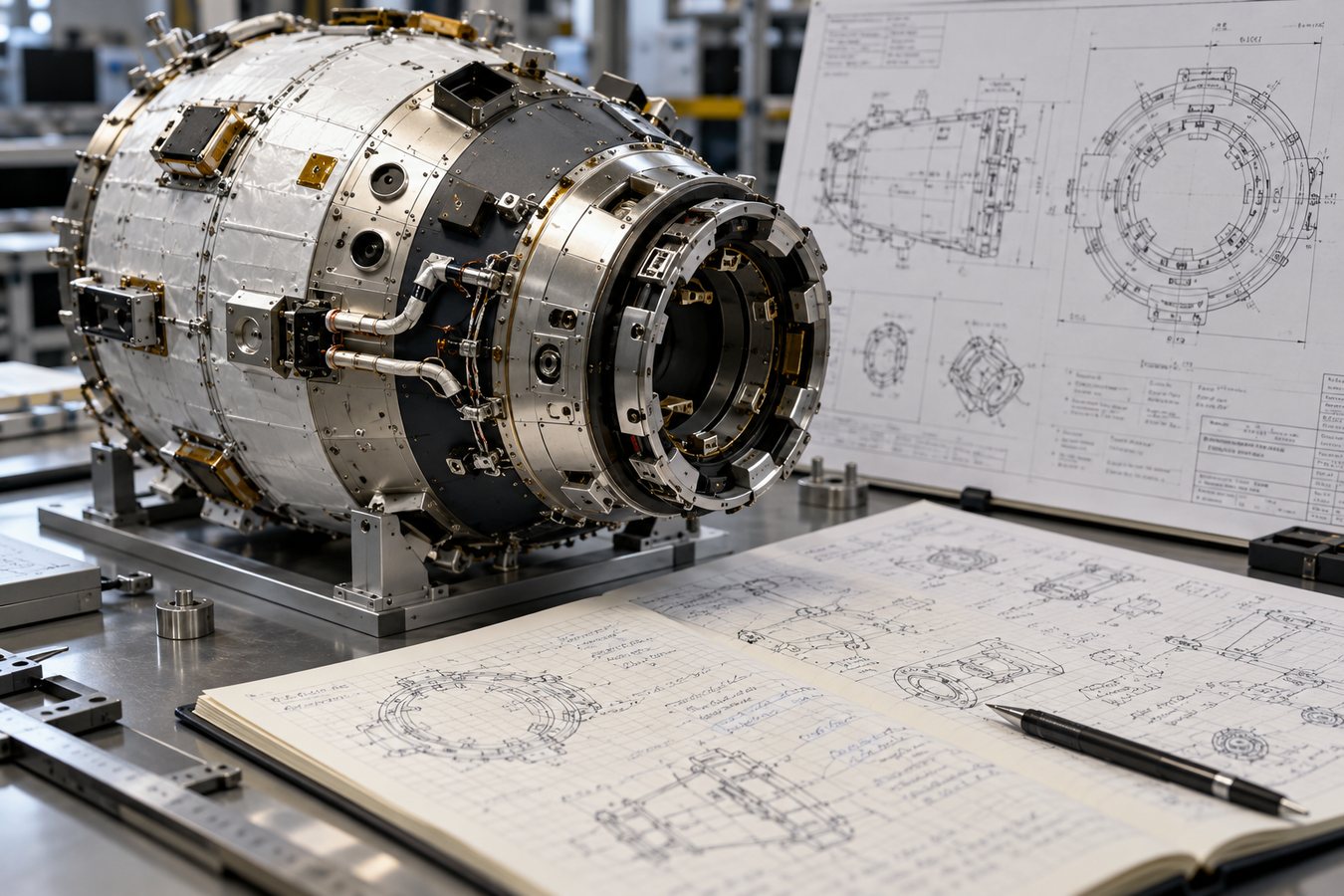
The next stage of the competition was the national PNICube final in L'Aquila, where the team planned to present ARCap, an autonomous rendezvous and docking module. In November 2022, Usov, in an interview with AstroSpace, estimated ARCap's readiness at 50–60 percent and named 2024 as the mission date.
What happened next
In January–March 2023, the company completed the Saudi Space Commission Pre-Accelerator, a programme it ran together with Techstars. In March 2024, it raised a seed round of 3.7 million euros, or 4 million dollars. The lead investor was OTB Ventures, with fund partner Wojtek Walniczek. Credo, Galaxia, PiemonteNext, In-Q-Tel and Inovo participated in the round, and by that time the team numbered 11 people. The ARCap flight date was pushed back from 2024 to the end of 2025.
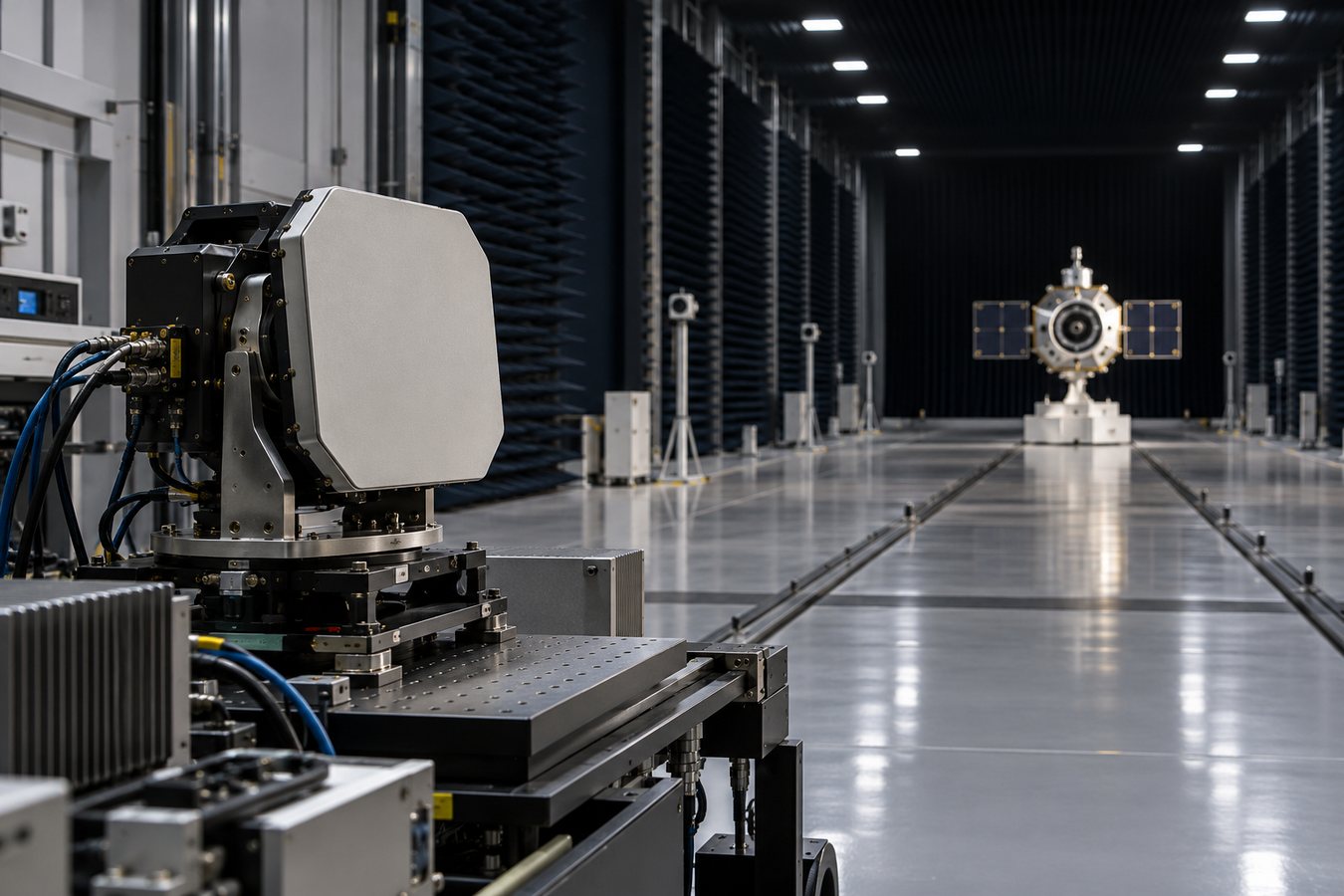
On 6 January 2026, the company announced tests of a radar for ARCap at distances of up to one kilometre. On the same day, it was granted a US patent for the technology, the application for which had been filed in Ukraine four years earlier.
1