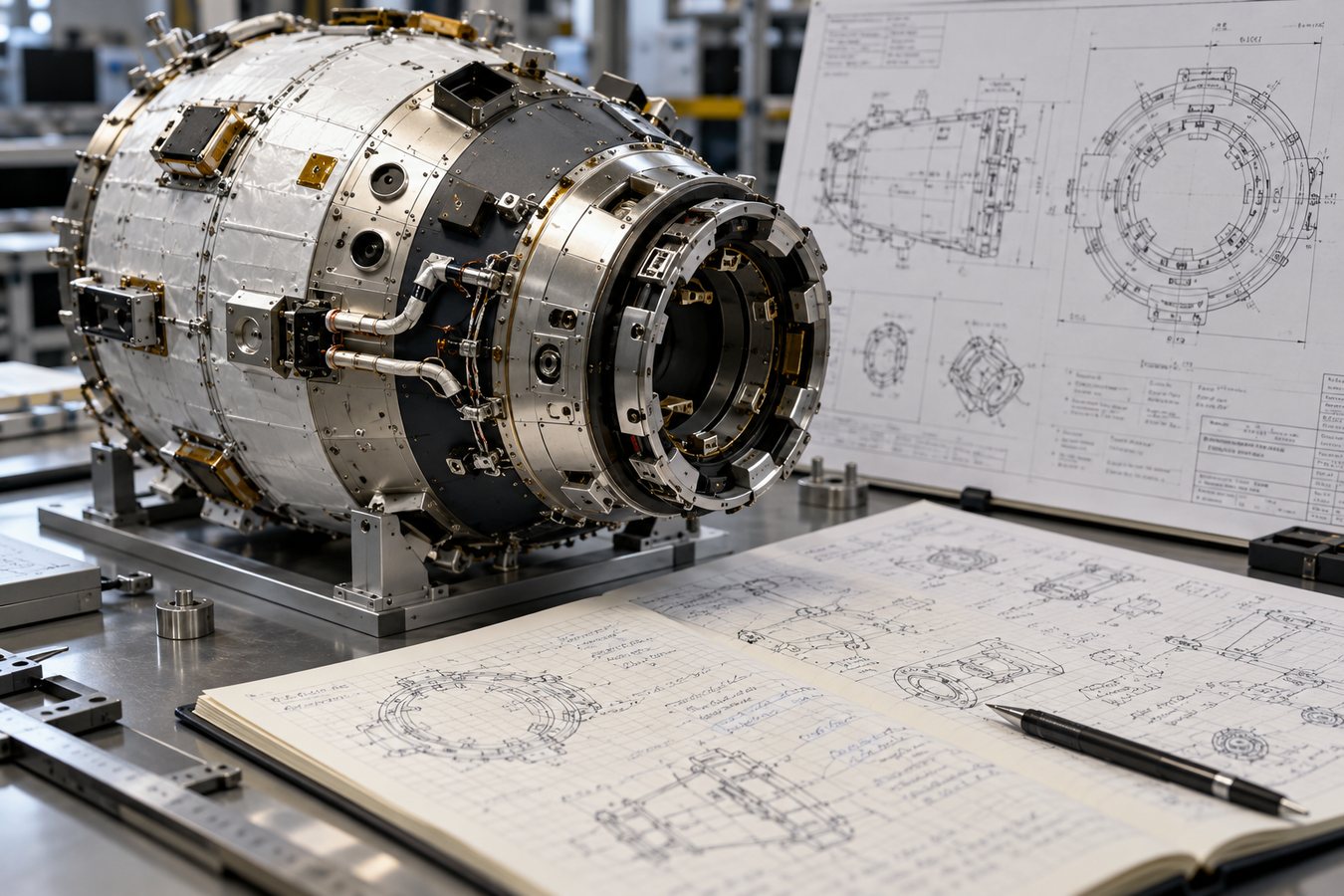
The company's story begins not in Turin but in Soviet space technology. In the 1980s, the USSR developed the Kurs rendezvous system, created by Kyiv specialists with the participation of the Kyiv Radio Plant. According to InVenture, more than 300 dockings of Soyuz and Progress spacecraft with the Mir orbital station and the International Space Station were carried out using it. After the annexation of Crimea in 2014, supplies of Kurs to Russia ceased, and the team began looking for new products based on this heritage.
Volodymyr Usov was born in Odesa and graduated from Odesa National Maritime University. In 2020, he headed the State Space Agency of Ukraine, and that same year a law on private space companies was passed. Usov is a member of the International Academy of Astronautics and lives in Turin. He says he created the company together with Vadym Vasyliev. According to StartupItalia, the startup was founded in 2022. As early as January 2022, a Ukrainian patent application was filed, and in January 2023 the company submitted an international application under the PCT procedure, which allows an invention to be protected in many countries simultaneously.
From Kyiv to Turin
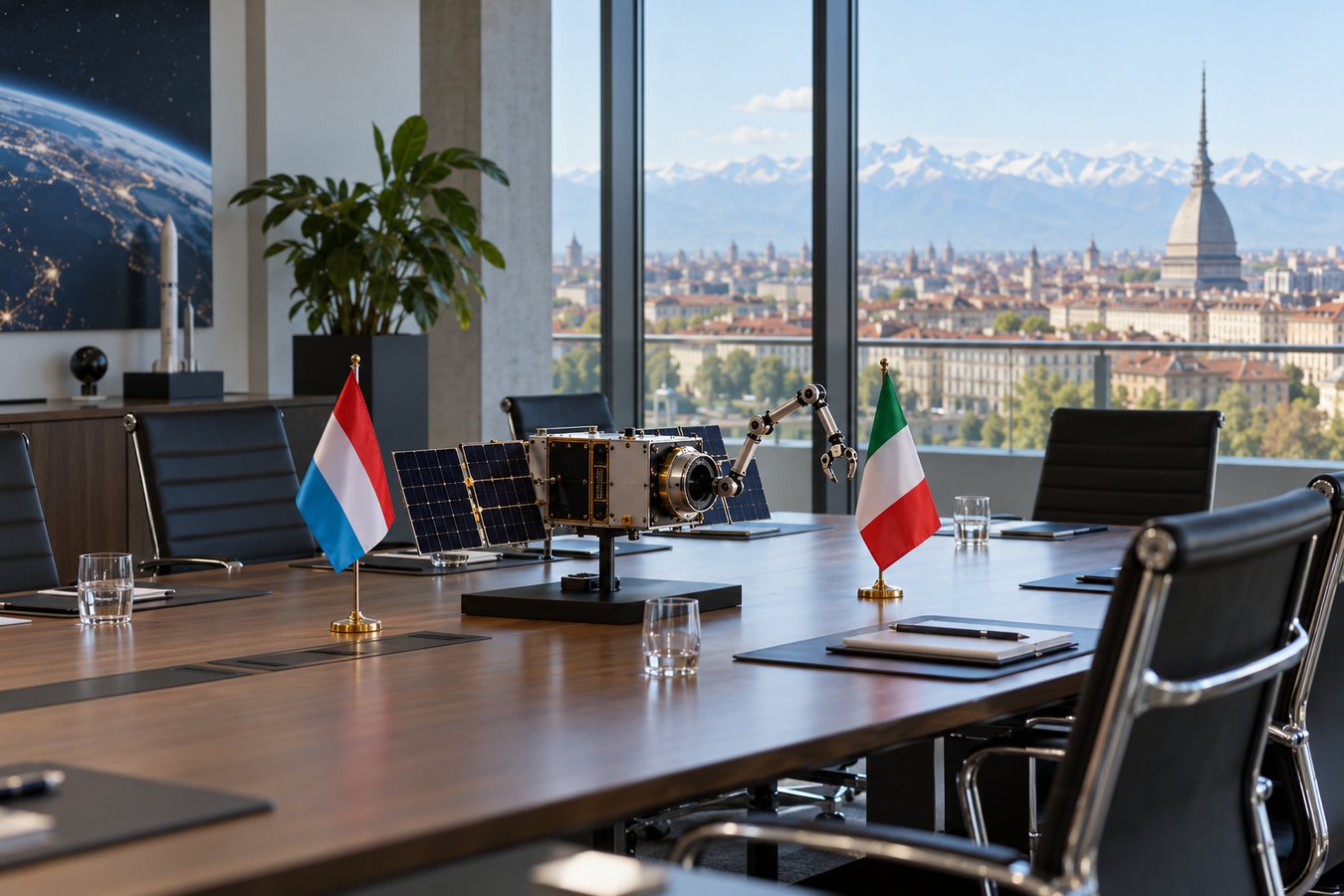
February 2022 was a turning point. After Russia's full-scale invasion began, investors withdrew from the project, and the team moved its office to Turin while keeping development in Kyiv. The Italian part of the business is registered as an Srl, and it was here that the company found its first serious support. In November 2022, Kurs Orbital took first place at the Start Cup Piemonte VdA competition, receiving €10,000 and the Jacobacci Silver prize. At the time, in an interview with AstroSpace, the bureau stated that the ARCap module was 50–60 percent ready and that the flight mission was planned for 2024.
Incubation at I3P and participation in the ESA BIC Turin programme connected the startup with the region's scientific and industrial structures. The coordinator of ESA BIC Turin and president of I3P is Giuseppe Scellato, a professor at Turin Polytechnic. The University of Turin became one of the company's strategic partners, alongside the Italian company Argotec, Thales Alenia Space, the Italian Space Agency (ASI) and the European Space Agency (ESA). Such a set of partners is important for a startup working in aerospace technology and needing access to testing and customers.
2023 accelerators and the round
In 2023, the company completed two accelerators. The first, the Saudi Space Commission Pre-Accelerator, ran from January to March 2023 in partnership with the American network Techstars and was linked to the Saudi Space Commission. The second, the Seraphim Space Camp Accelerator, belongs to the programmes of British investment company Seraphim Space, which supports space startups. Later that same year, the company also took part in the Saudi Space Techstars Founder Catalyst programme, making 2023 the most partner-rich year in Kurs Orbital's history.
The €3.7 million round was led by OTB Ventures, with fund partner Wojtek Walniczek as lead investor. Credo Ventures, Galaxia—backed by CDP VC and Obloo—as well as In-Q-Tel and Inovo participated in the deal. In-Q-Tel is a non-profit investor funding technology for the US intelligence community, while Obloo, represented by managing partner Nicolò Redi, is known for supporting technology projects in Piedmont. At the time of the round, the company's team numbered 11 people. The main purpose of the funds raised is stated directly in the publication: the first flight model of the ARCap module.
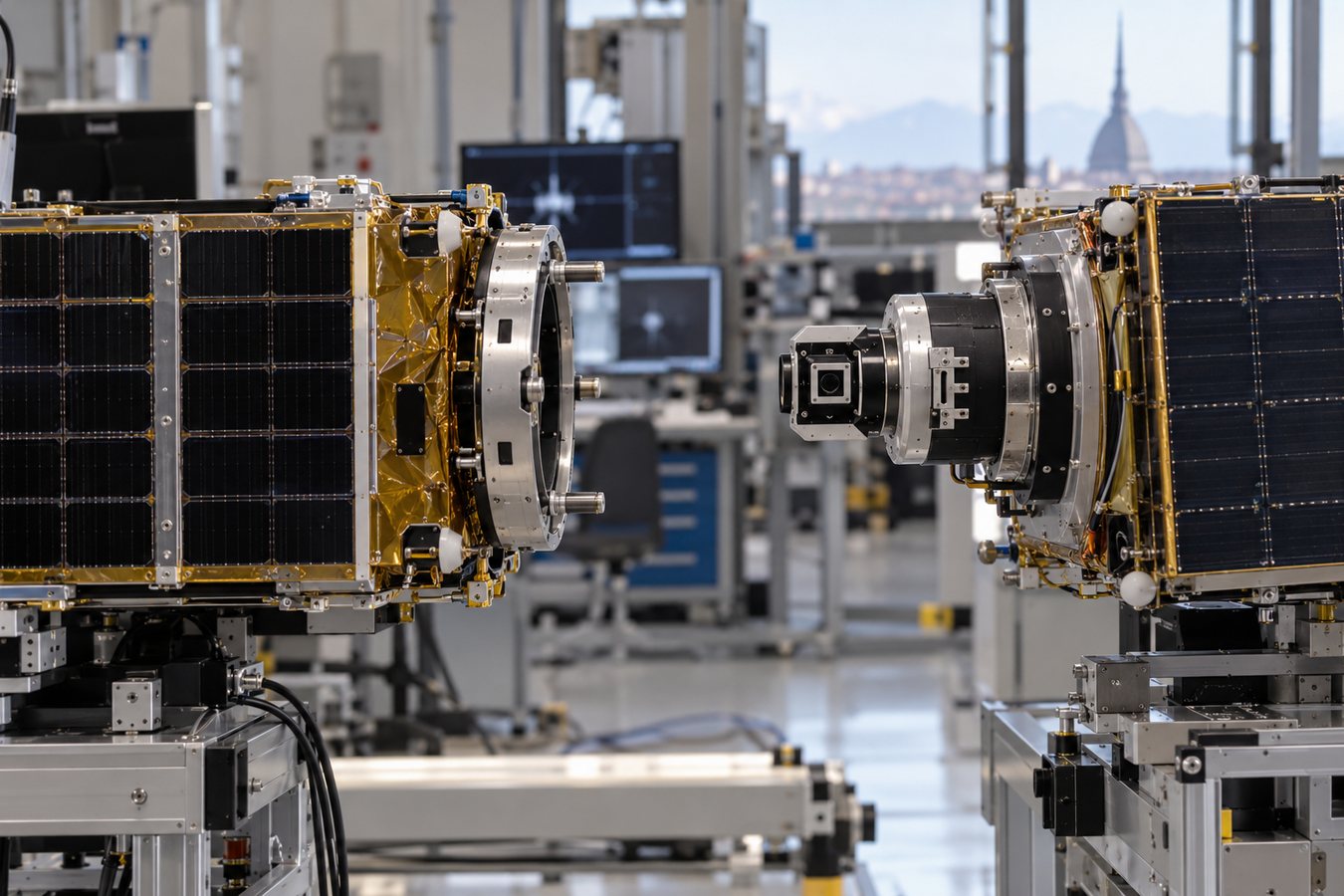
The outcome of this stage can be put concretely. Kurs Orbital has gone from a Ukrainian project grown out of a Soviet rendezvous system to an Italian company with investors from Europe and the US, and now its immediate task is to bring ARCap to the first flight model, which is what the €3.7 million is intended for.
1