The startup's story begins not in Turin but in Soviet spaceflight. In the 1980s, the USSR introduced the Kurs rendezvous system, developed by Kyiv specialists at the Kyiv Radio Plant. According to the InVenture database, it enabled Soyuz and Progress spacecraft to perform more than 300 dockings with the Mir orbital station and the International Space Station.
After the annexation of Crimea in 2014, deliveries of Kurs to Russia ceased. The team that preserved the system's legacy began looking for new products based on it. In 2020, Volodymyr Usov headed the State Space Agency of Ukraine, and that same year the country passed a law on private space companies. The law opened the door to commercial projects that had previously existed mostly on paper.
The company's founding date is given variously. Some sources cite 2021, when the project started in Ukraine. The Italian company Kurs Orbital, registered in Turin, dates to 2022. Usov links the company's birth to Vadym Vasyliev. The first Ukrainian patent application was filed on January 4, 2022, and the international PCT application on January 3, 2023.
From Kyiv to Turin
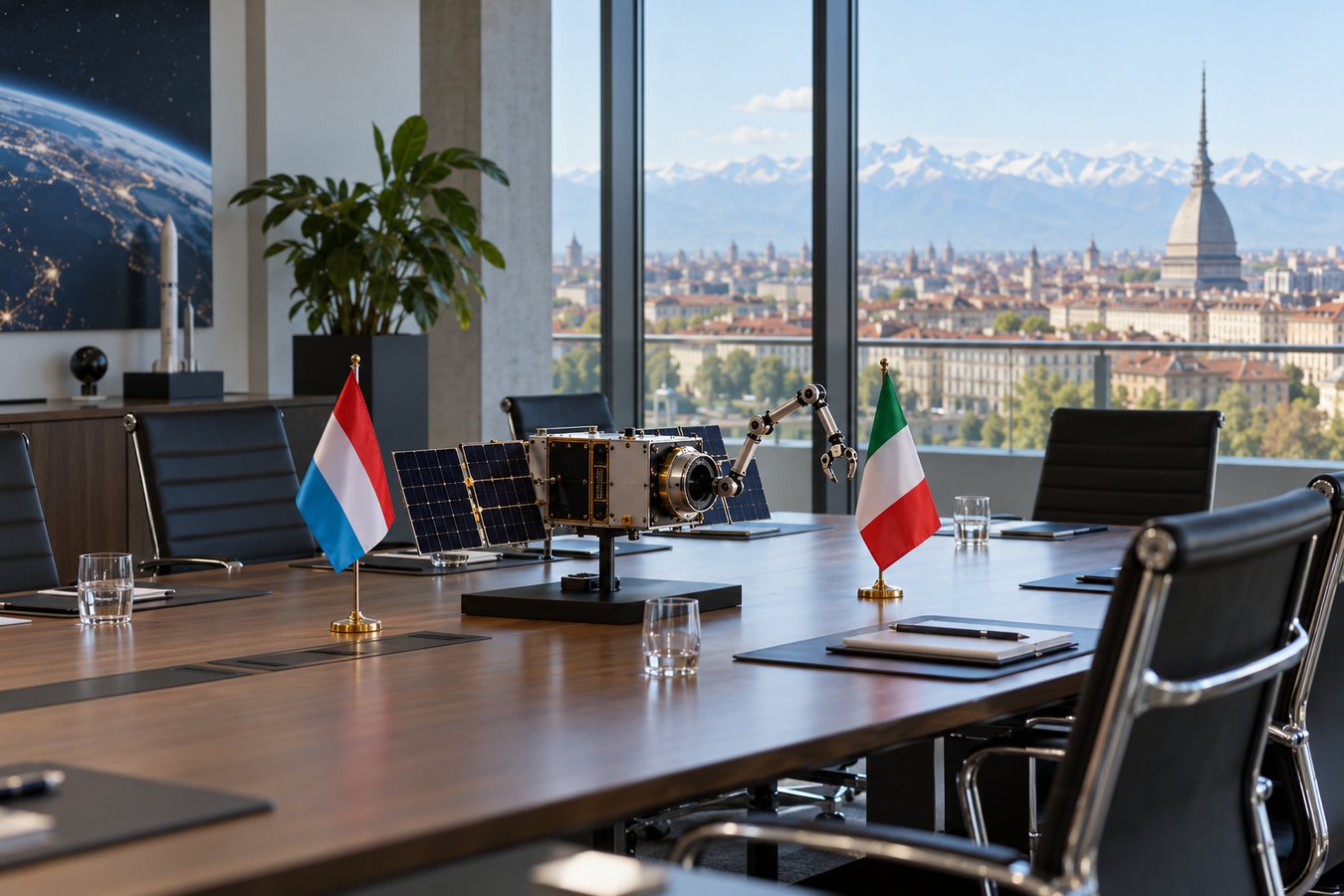
February 2022 changed everything. After Russia's full-scale invasion of Ukraine, some investors withdrew from the project. The office moved to Turin, while development stayed in Kyiv. As a result, the company operates in Italy, with its engineering base in Ukraine. Corriere Comunicazioni itself notes that Usov, "attracted by Turin's aerospace ecosystem," located the startup in Turin.
Turin's ecosystem gave the startup support. The company is incubated at I3P, the incubator of Turin Polytechnic University, under the ESA BIC Turin program coordinated by the European Space Agency. Even before the round, the project gained recognition: in November 2022 it took first place at the Start Cup Piemonte VdA competition, receiving €10,000 and the Jacobacci Silver prize. From January to March 2023, the startup completed the Saudi Space Commission pre-accelerator with Techstars, and in 2023 it joined the Seraphim Space Camp program.
The Round and the ARCap Module
The round was led by OTB Ventures. It also included Credo, Galaxia together with Obloo, the regional Piemonte Next fund created by CDP Venture Capital and Finpiemonte, the American fund In-Q-Tel, and Inovo. OTB Ventures partner Wojtek Walniczek summed up the moment:
"The time is ripe for change in the space industry"
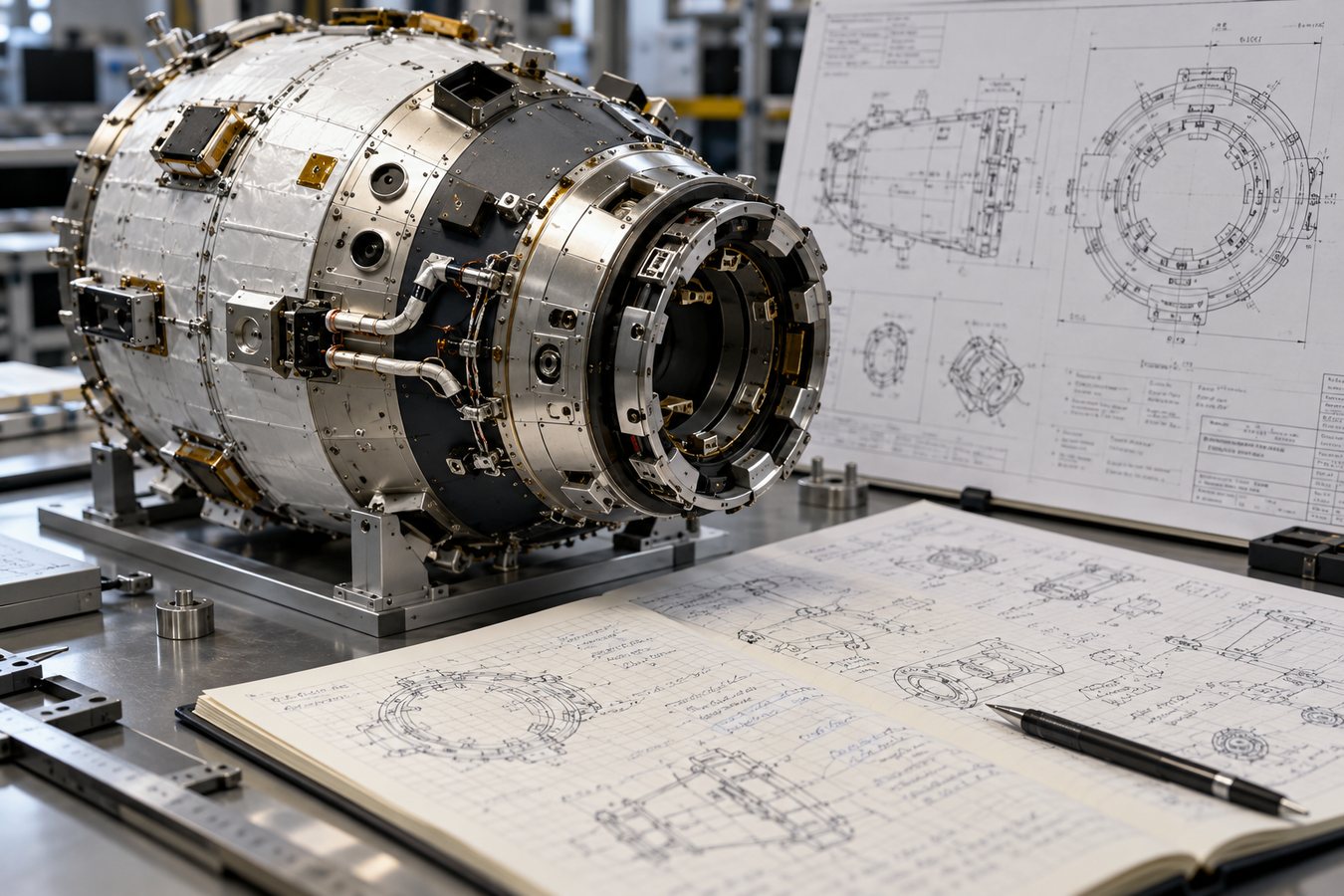
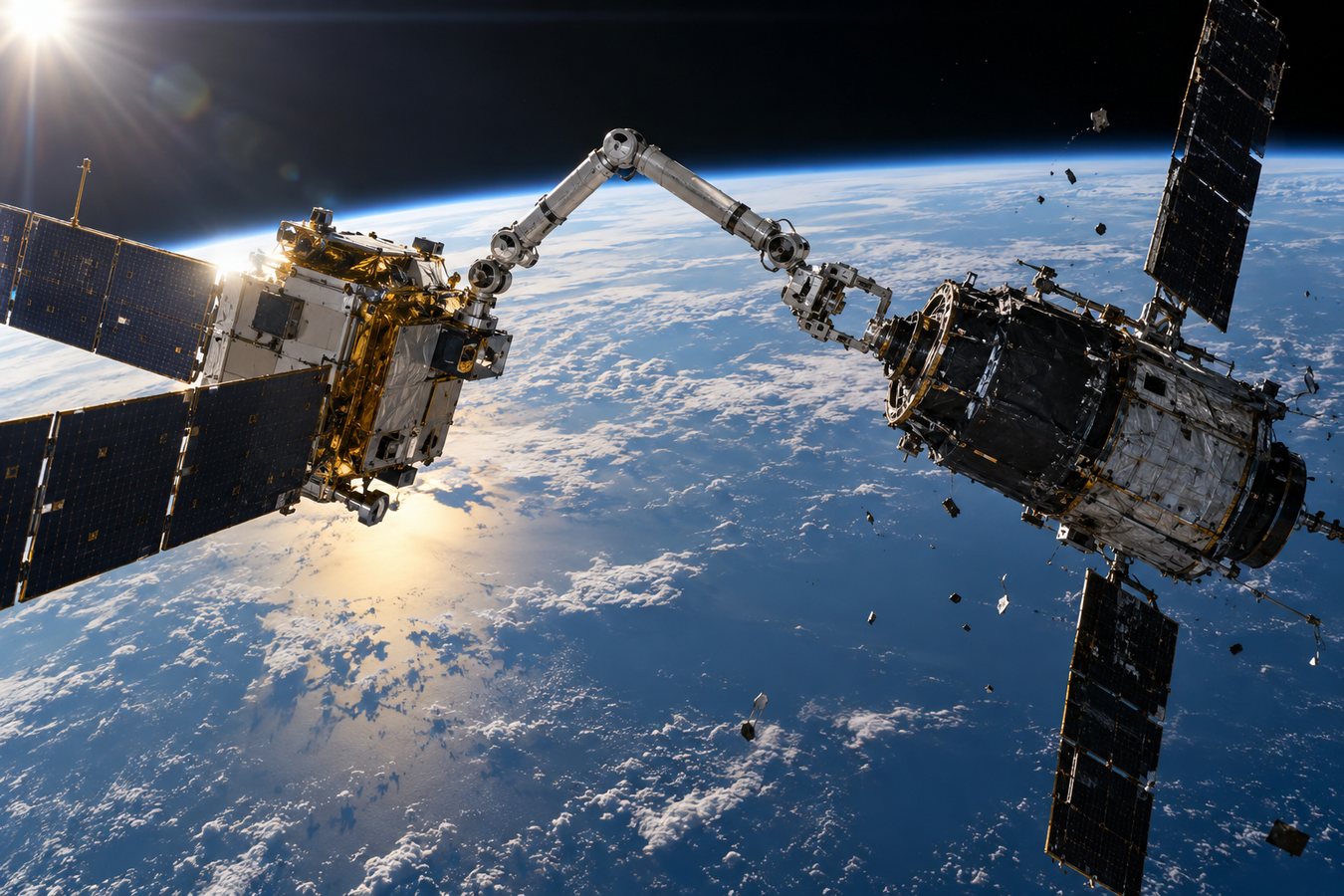
Kurs Orbital will not provide debris removal or satellite servicing itself. The company will supply the ARCap module, designed to enable rendezvous and docking with other spacecraft. Usov explained why this is fundamental: "At the moment, ready-made rendezvous and docking technologies do not exist." In other words, the market the company aims to enter has no off-the-shelf solutions yet.
The ARCap launch timeline has shifted. In a November 2022 interview with AstroSpace, Usov said the module was 50–60% ready and the mission would take place in 2024. Later the plan was pushed to late 2025. The team has grown to 11 people, and the 2024 round was a seed round.
What Happened Next
In December 2024, Kurs Orbital was named "ESA BIC Turin Start-up of the Year." At the end of that month, the company received an interest-free Invitalia Smart&Start loan of €1.1 million. This is a separate sum and should not be confused with the total amount of Piemonte Next's investments in the region.
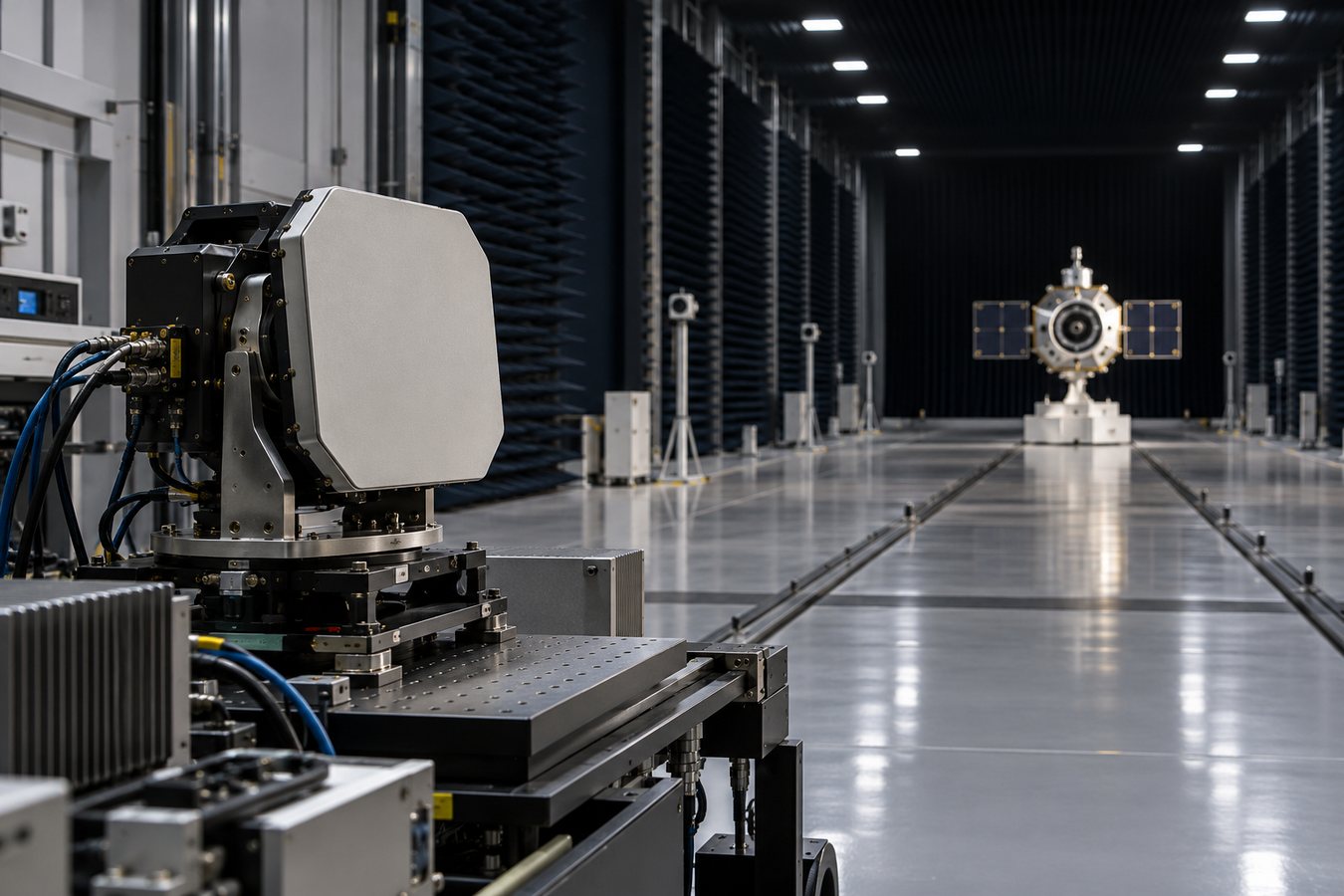
On January 6, 2026, the startup conducted ground tests of a radar capable of detecting targets at distances up to 1 kilometer and obtained US patent US12515824B2. As of these events, there is no information in open sources about the ARCap launch.
1