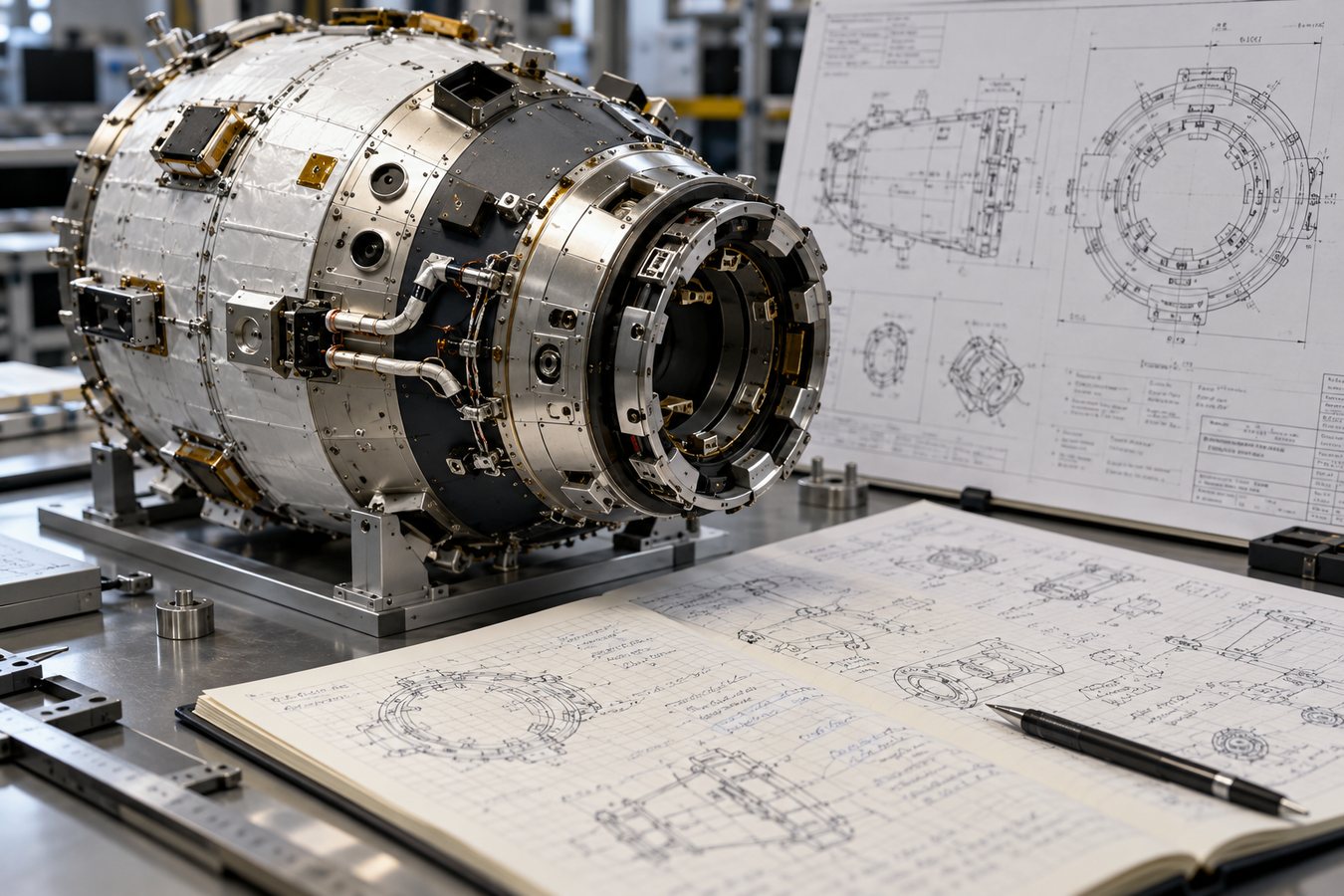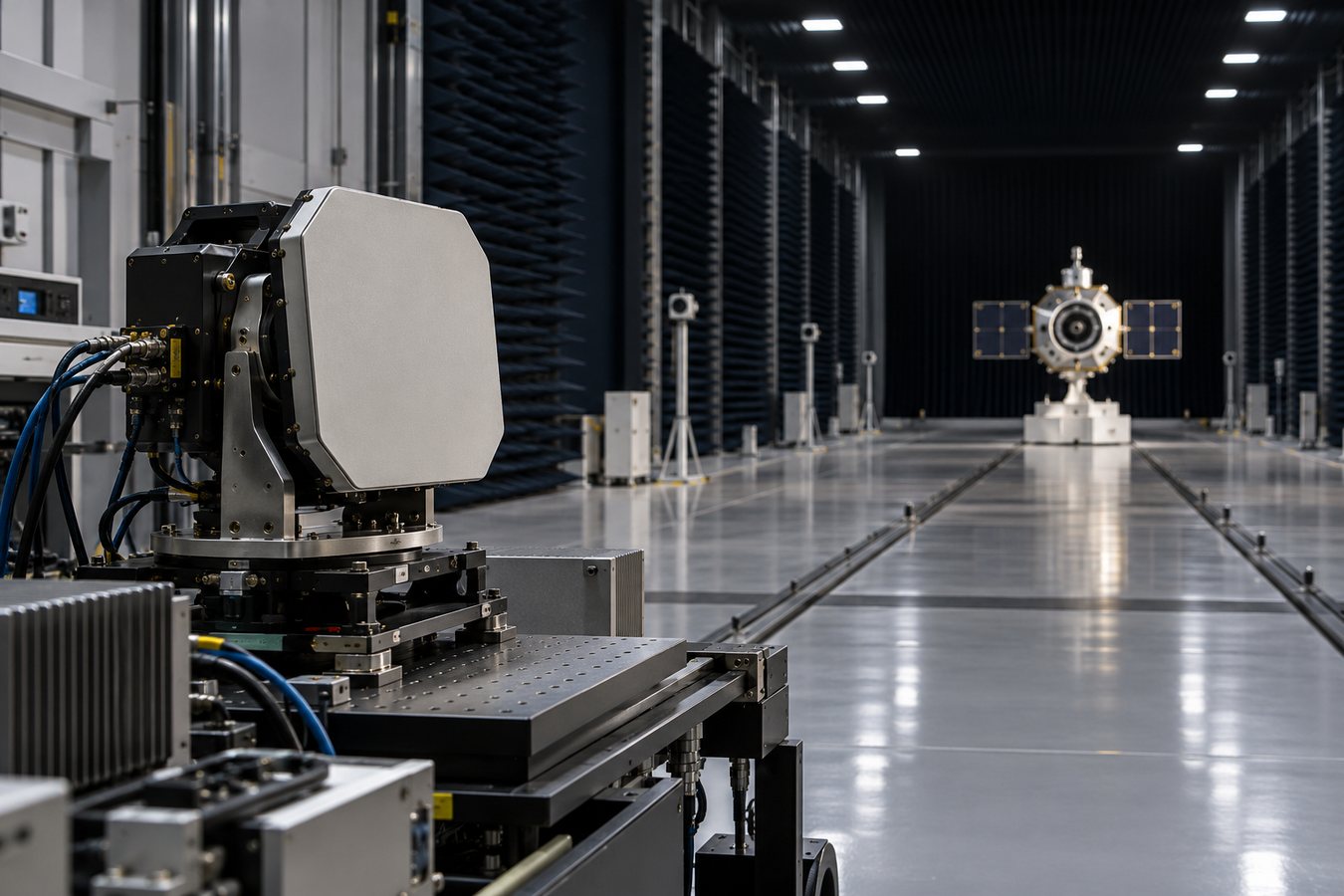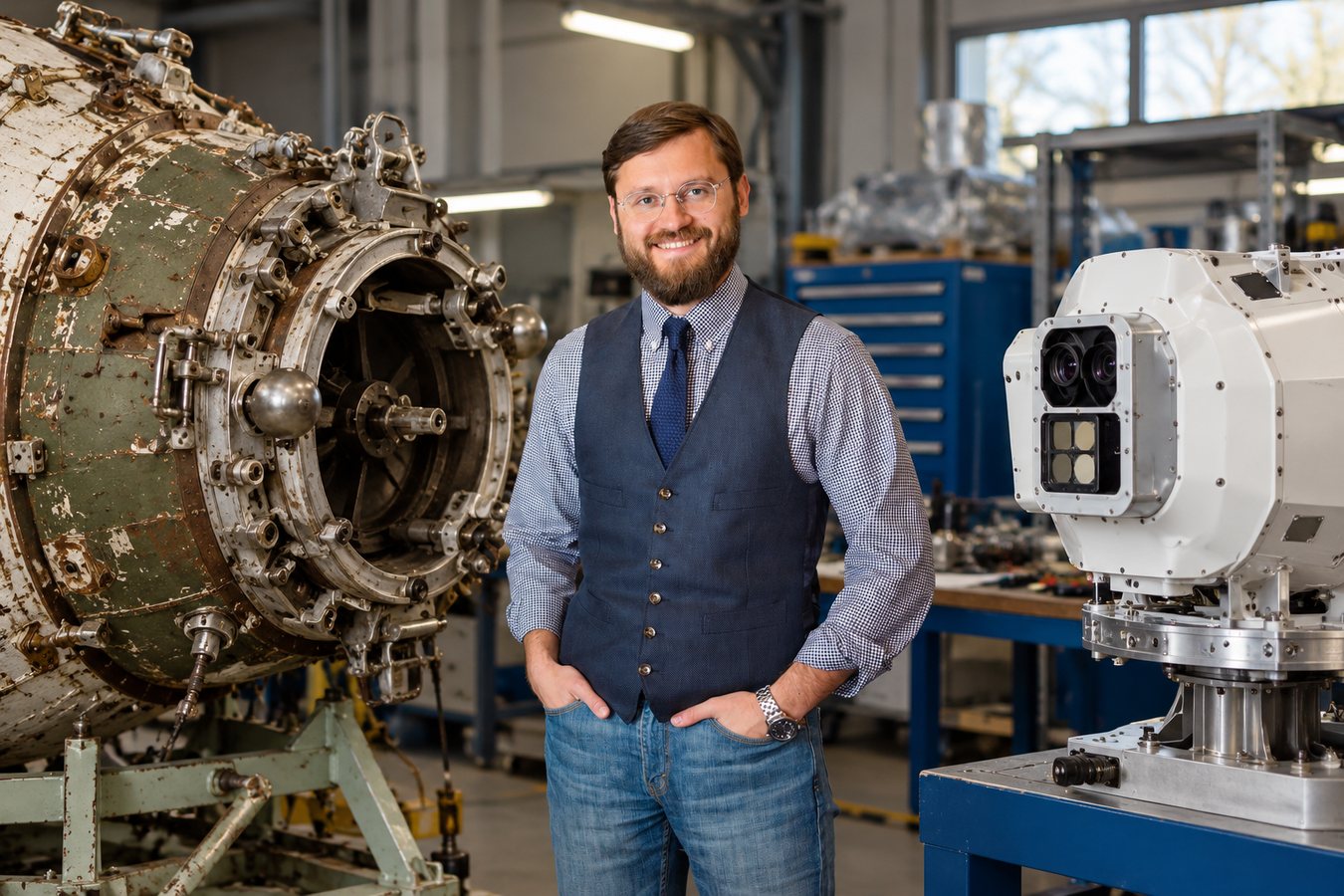
The project's foundation appeared in the Soviet Union. The Kurs rendezvous system was created in the mid-1980s, and according to InVenture, it was used for more than three hundred dockings of Soyuz and Progress spacecraft with the Mir orbital station and the ISS. The Kurs Research and Production Complex plays a key role in the development. It is this legacy that Kurs Orbital wants to turn into a commercial product. According to Usov, as recounted by InVenture, the main advantage is that new players do not need to spend billions to create a docking system from scratch.
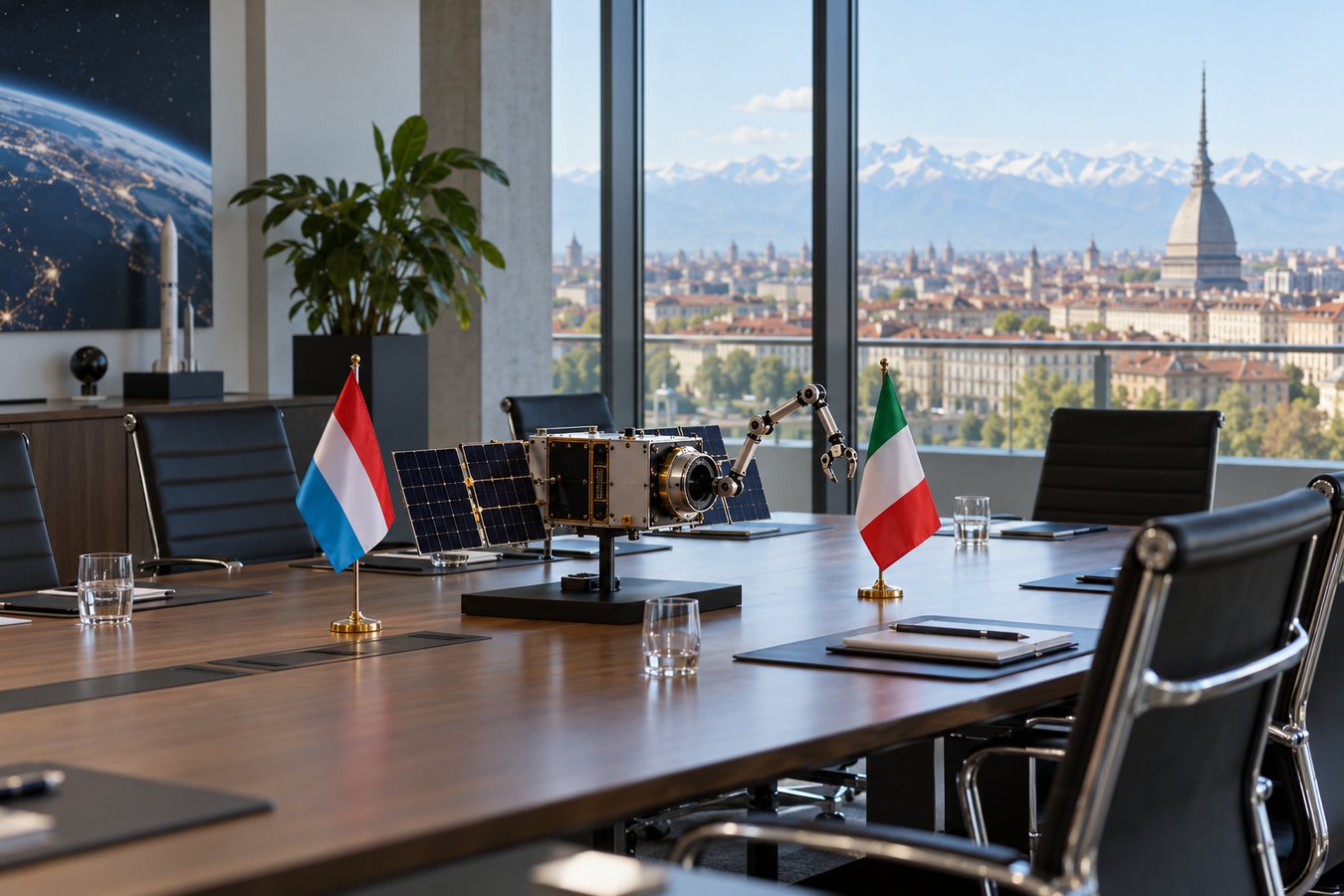
Usov himself is from Odesa. He graduated from Odesa National Maritime University, created several startups before entering public service, and from January to November 2020, according to InVenture, headed the State Space Agency of Ukraine. He is a member of the International Academy of Astronautics and lives in Turin, where most of the team also works. Kurs Orbital was launched in 2021, and later an Italian legal entity of the company was established in Turin.
The seed round amounted to €3.7 million, or $4 million. The team currently has eleven people. The company's product is called ARCap, and InVenture reports that the first ARCap module is expected to be sent into space in 2025. It is on this product that investor funds are focused.
The round was led by OTB Ventures, represented by partner Wojtek Walniczek. Participants included Credo and Inovo funds, as well as In-Q-Tel, a venture structure linked to the American intelligence community. Galaxia worked together with CDP VC, the venture arm of the Italian state financial group Cassa Depositi e Prestiti, and with Obloo. Another participant, PiemonteNext, acted together with CDP VC and Finpiemonte, the regional financial structure of Piedmont. The combination of private and public capital is typical of the Italian model for supporting startups in remote industries.
Crimea, War and Relocation
The company's path cannot be described without politics. In 2014, after the annexation of Crimea, supplies of Kurs to Russia ceased. The team began searching for new products based on the same technical foundation. The next blow came in February 2022, when Russia's full-scale invasion began. Investors withdrew from the project, and the company's office was set up in Turin. The development work, however, remained in Kyiv.
Meanwhile, the project continued to gain recognition. On January 4, 2022, a Ukrainian patent application was filed, and on January 3, 2023, an international application was filed under the PCT procedure, which opens the way to patenting in a number of countries. On November 8, 2022, Kurs Orbital took first place at Start Cup Piemonte VdA 2022, a regional startup competition for Piedmont and Aosta Valley. The prize was €10,000 and the Jacobacci Silver award. In January–March 2023, the team completed the Saudi Space Commission Pre-Accelerator, a program of the Saudi Space Commission held together with Techstars. In the same year, 2023, the company participated in Seraphim Space Camp.
The Deadline That Slipped
Attention from industry publications to the project grew. Space.com and Via Satellite published articles about Kurs Orbital in 2023, and the author of both texts was Tereza Pultarova. The flight date, however, changed. In November 2022, in an interview with AstroSpace, the bureau said that ARCap was 50–60 percent ready and the mission was planned for 2024. Now, according to InVenture, the first module is to go into space in 2025. A year's difference for space technology is almost imperceptible, but for investors it means additional development costs, and for the team of eleven people the new deadline has become the main reference point for the coming months.
1