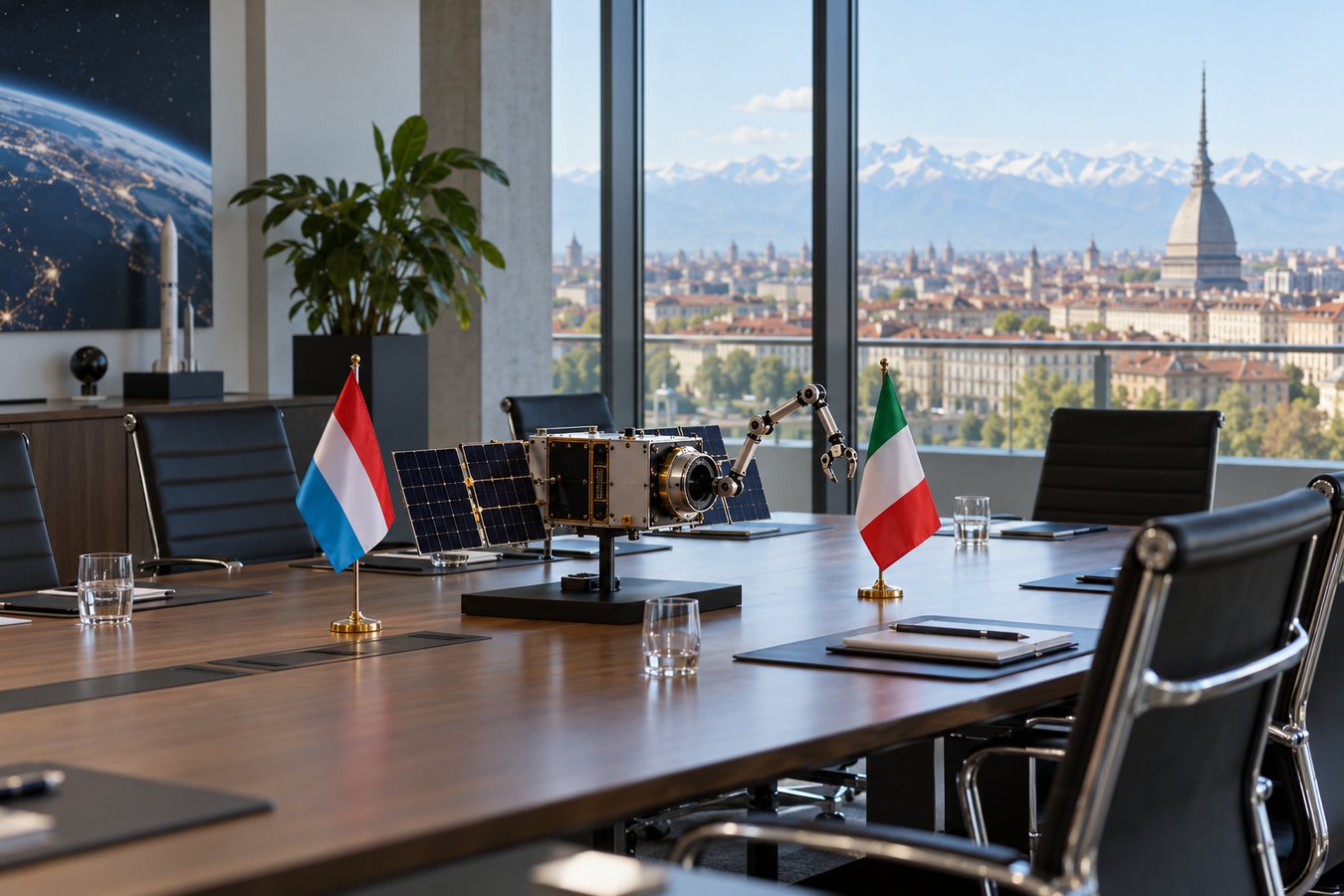
The full press release about the round describes the deal as follows: the €3.7 million seed round was led by OTB Ventures. Next on the list of investors are Credo Ventures, Galaxia, In-Q-Tel and Inovo. Galaxia brings together three structures: CDP Venture Capital, Obloo Ventures and the regional fund Piemonte Next, linked to Finpiemonte. CDP Venture Capital is part of Cassa Depositi e Prestiti, the Italian state financial group. In-Q-Tel is known as a venture investor working in the interests of American intelligence, while Inovo is the investment arm of ESA BIC Turin itself.
The European Space Agency's business incubator in Turin made the round a matter of particular pride. I3P president and program coordinator Giuseppe Scellato, also a professor at the Polytechnic University of Turin, said the incubator is delighted by the success of a graduate of its first cohort. I3P, Incubatore di Imprese Innovative del Politecnico di Torino, was the venue where the company received its first incubation.
The legacy of Kurs
The company's history begins long before Turin. The Kurs rendezvous system was created in the USSR in the 1980s, developed by specialists in Kyiv, including at the Kyiv Radio Plant. According to InVenture, Kurs was used in more than 300 dockings of Soyuz and Progress spacecraft with the Mir station and the International Space Station. After the annexation of Crimea in 2014, supplies of Kurs to Russia ceased, and the team began looking for new products built on that legacy.
Co-founder and CEO Vladimir Usov headed the State Space Agency of Ukraine in 2020. A native of Odesa, he graduated from Odesa National Maritime University and now lives in Turin. According to the ESA BIC Turin press release, the company was founded in 2022. Ukrainian development work continued: in January 2022 a Ukrainian patent application was filed for the rendezvous technology, and in January 2023 an international PCT application appeared.
ARCap and the cost of relocation
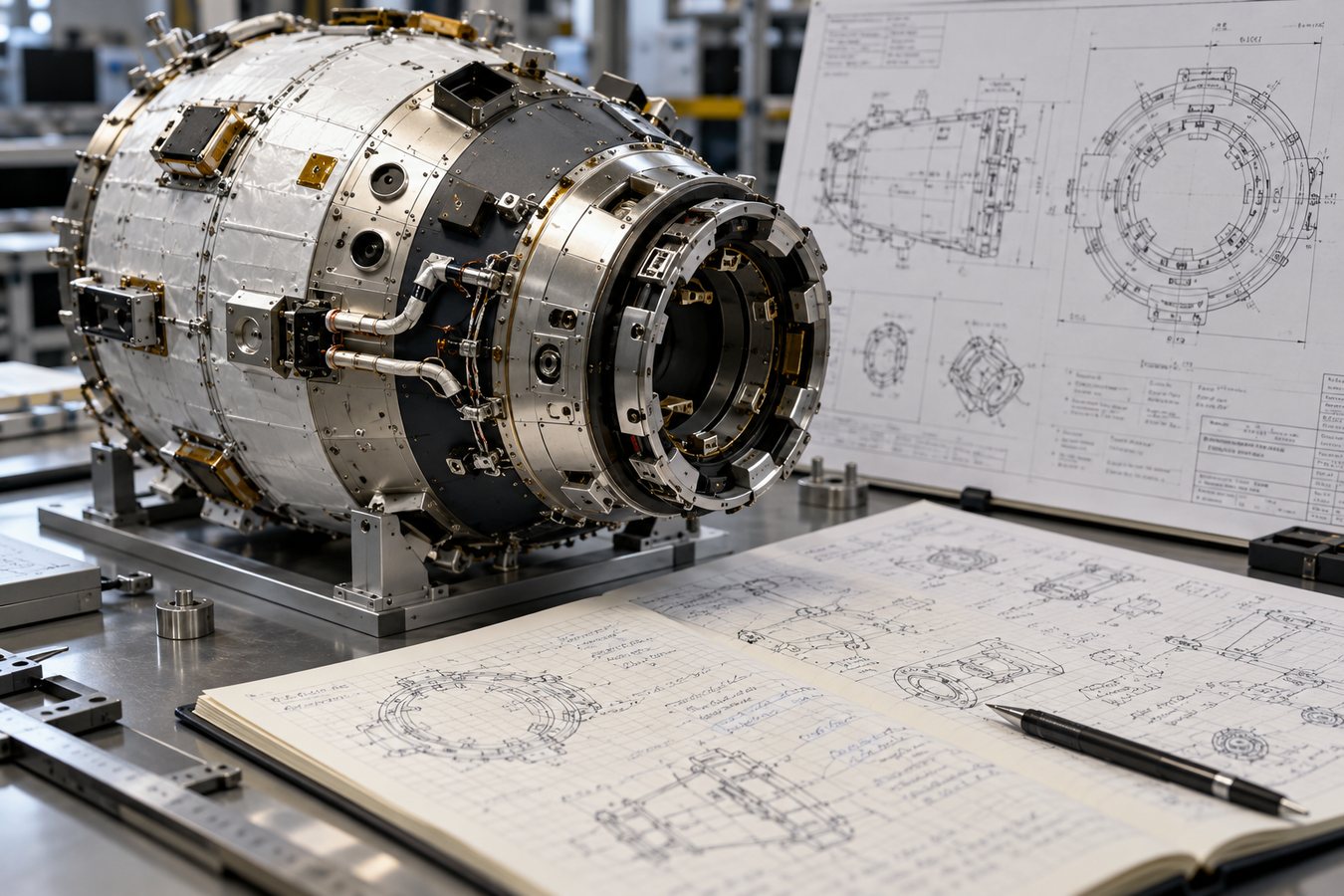
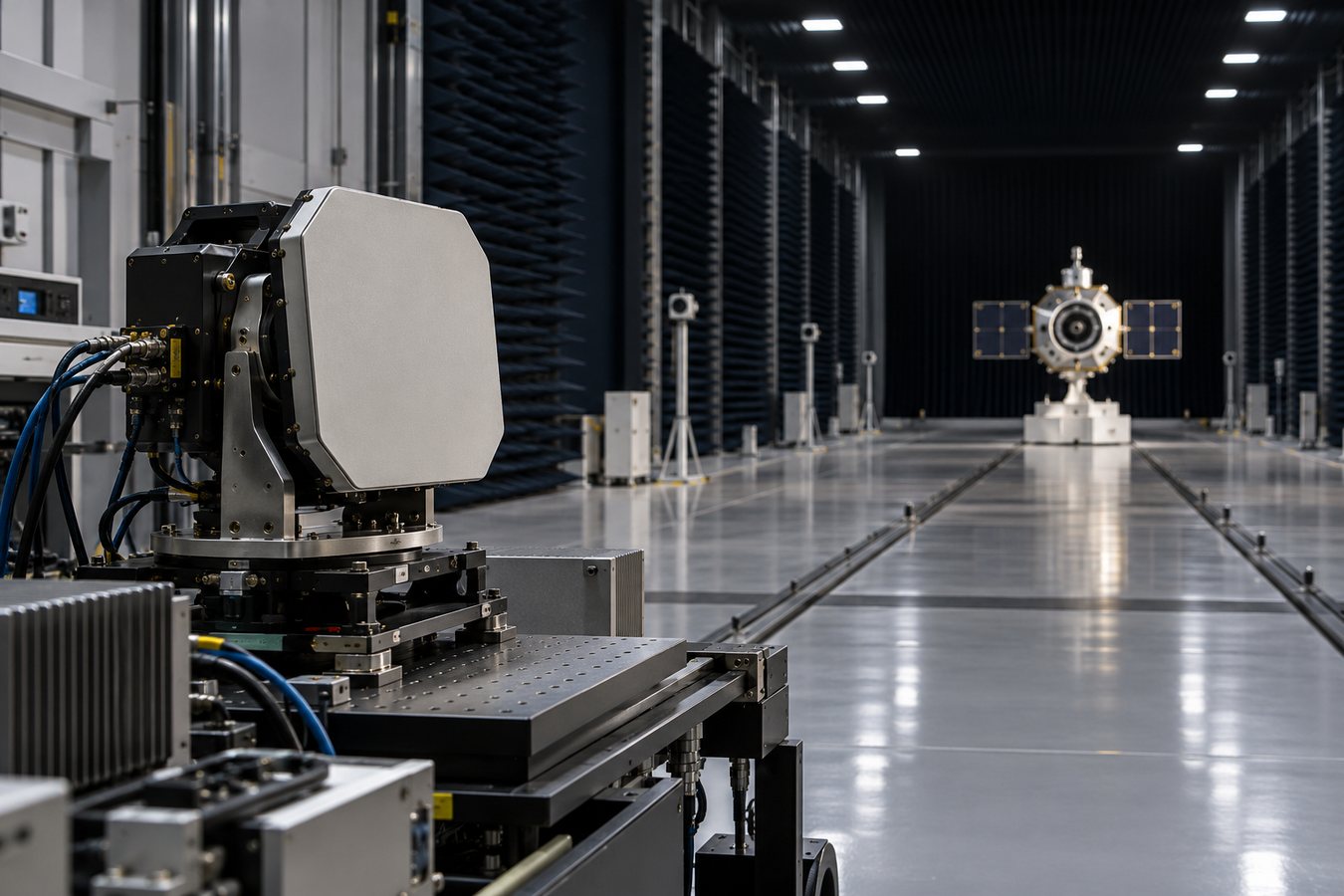
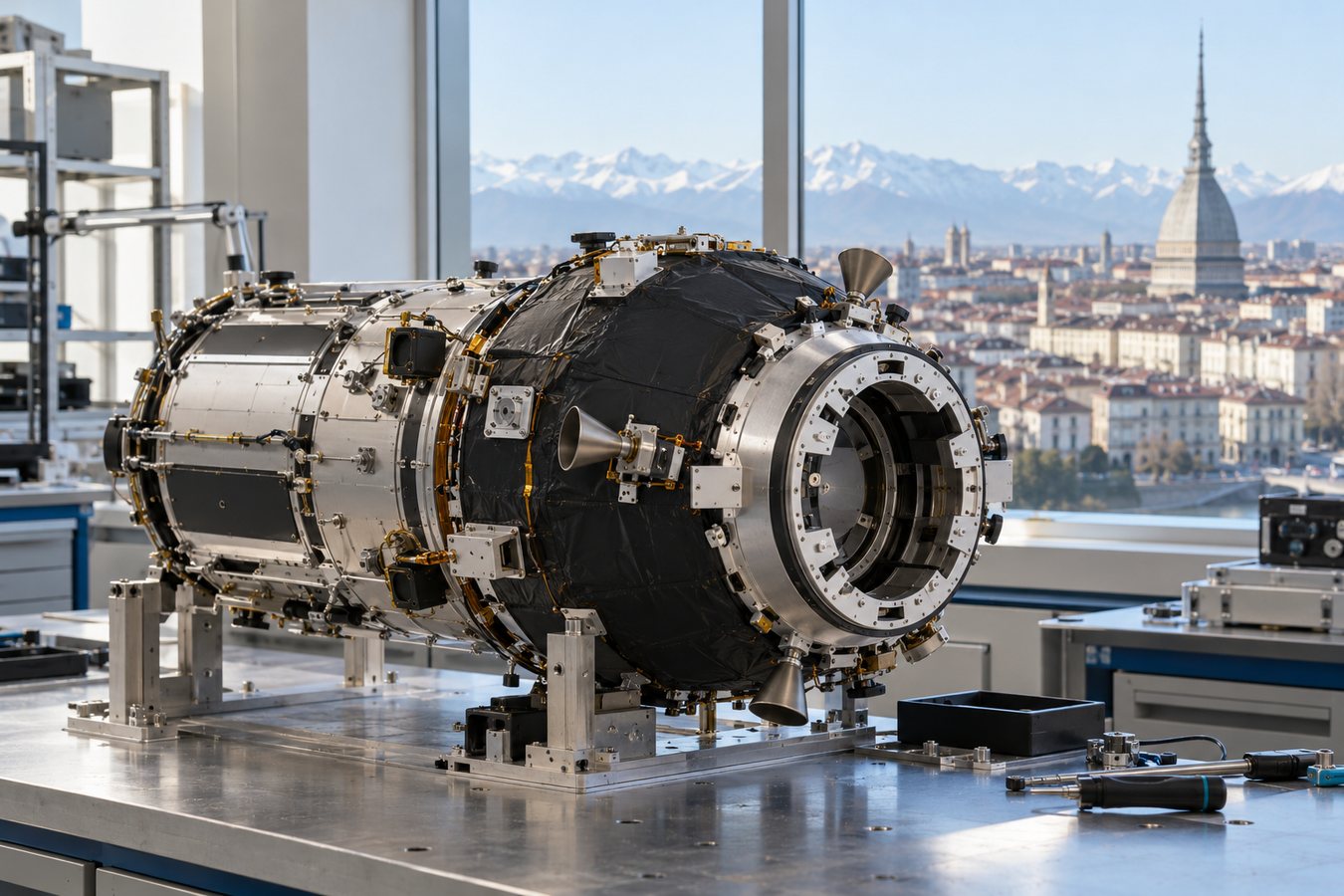
ARCap is intended to become a unified rendezvous module for a satellite, orbital tug, cargo or crewed spacecraft. Instead of a separate system for each vehicle, a single standardized unit is proposed, and this is the company's main argument to investors. In an interview with AstroSpace in November 2022, Usov said the project was 50–60 percent complete and the flight was planned for 2024.
The path to the round proved difficult. After Russia's invasion in February 2022, some investors withdrew from the project, an office was opened in Turin, and core development remained in Kyiv. At the same time, the company made a name for itself on the regional scene. On November 8, 2022, Kurs Orbital took first place in the Start Cup Piemonte VdA competition, receiving €10,000 and the Jacobacci Silver prize. In early 2023 the startup participated in the pre-accelerator of the Saudi Space Commission together with the American accelerator Techstars, and then joined European space programs, in particular Seraphim Space Camp.
“The Italian research and industrial ecosystem is among the few in the world to provide a fully integrated value chain for the space economy.”
This choice was explained by Obloo Ventures managing partner Nicola Redi. In the press release translation, his words read: “The Italian research and industrial ecosystem is among the few in the world to provide a fully integrated value chain for the space economy.” For investors, the decisive factor was the combination of research base, industry and state institutions that fund space at regional and national levels.
What next
In the press release, Usov called the round critically important for the next step. That means bringing to market the rendezvous technology which, in the company's wording, must be powerful and affordable. At the time of the deal, the team numbered 11 people, and the company was preparing ARCap for a flight planned for 2024.
1