StartupItalia's December list is compiled every year and serves as a kind of summary for the Italian venture capital scene. The editorial team selects one hundred companies but does not rank them: in the publication they are listed alphabetically. From this list, the jury selects ten finalists, and they will compete for the main award of the year on December 17 at Palazzo Mezzanotte in Milan, the building that houses the Milan Stock Exchange, during SIOS24 Winter. Whether Kurs Orbital made it to the finalists is not stated in the publication, so for now the inclusion in the hundred remains the main confirmed fact.
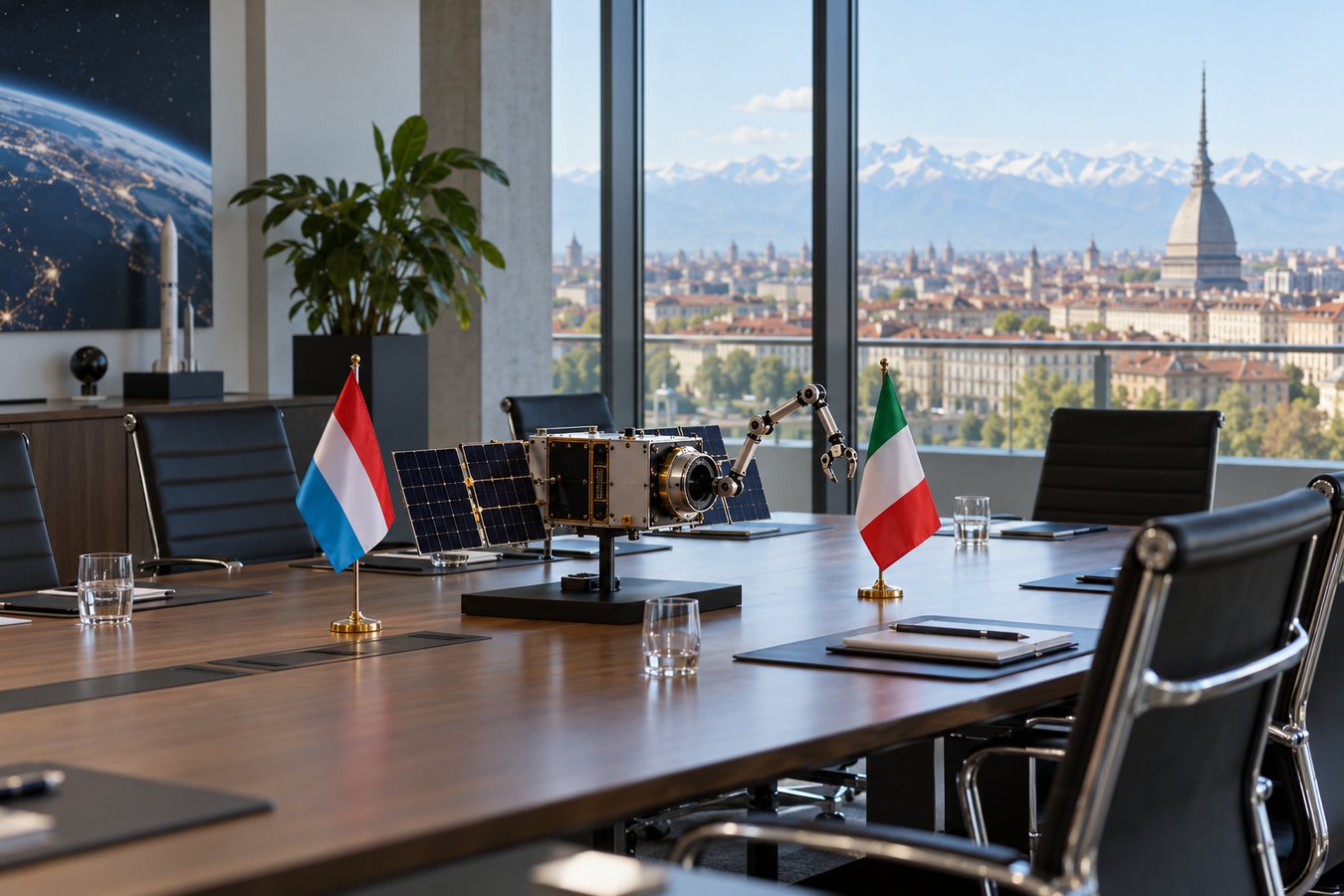
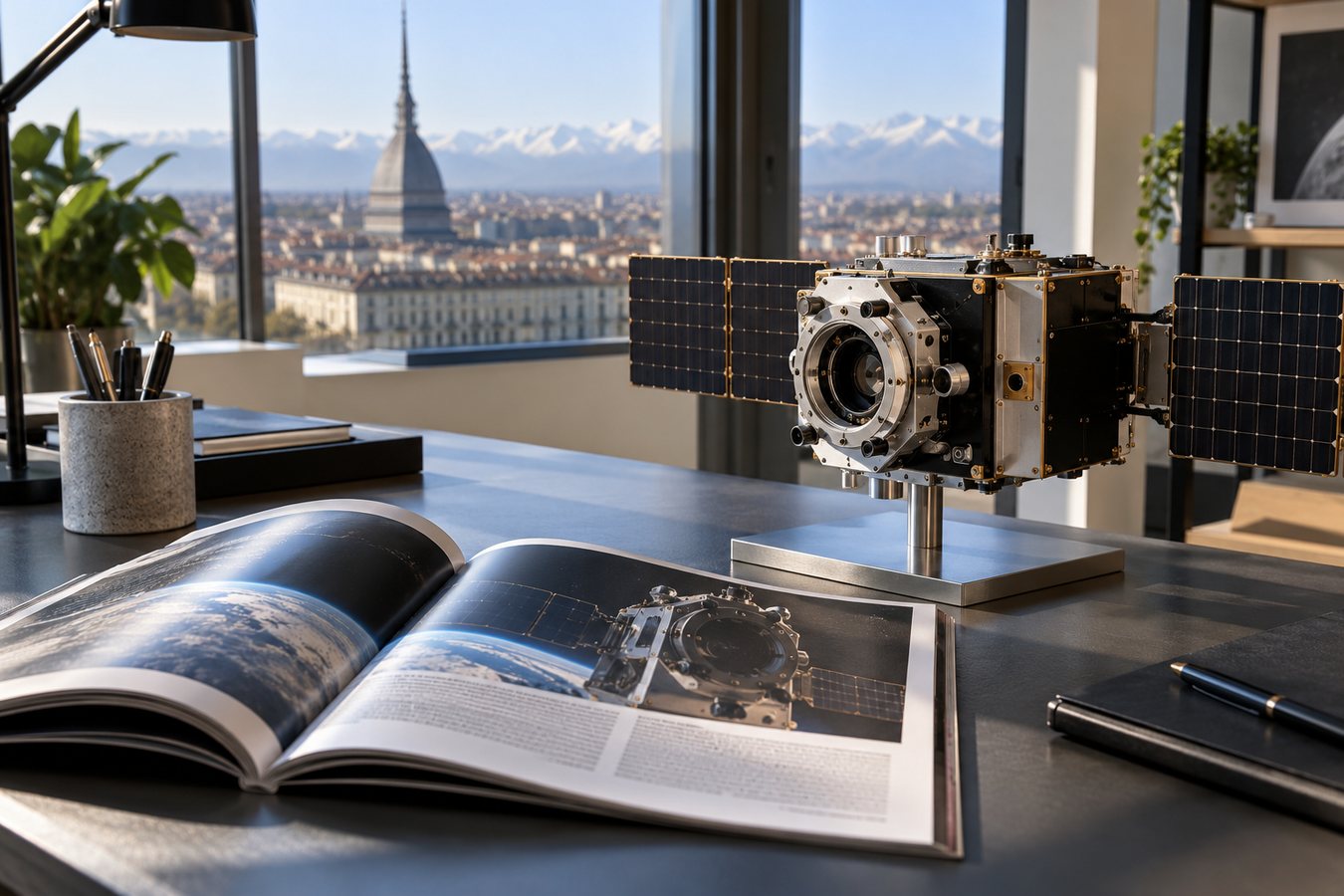
According to StartupItalia's profile, Kurs Orbital belongs to the aerospace sector. The company is incubated at I3P, the incubator of the Polytechnic University of Turin, and at ESA BIC Turin, the business incubator of the European Space Agency in the same city. It was founded by Volodymyr Usov, and in early 2024 the company closed a seed round of 3.7 million euros. Its mission, as the publication puts it, is to democratize satellite servicing in orbit—that is, to make such services accessible to a wider range of customers than today.
From the Soviet docking system to a new project
The company's name refers to the Kurs rendezvous system, developed in the USSR in the 1980s, with engineers from Kyiv working at the Kyiv Radio Plant. According to InVenture, more than 300 dockings of Soyuz and Progress spacecraft with the Mir station and the International Space Station were performed using Kurs. For decades the system remained one of the key elements of the Soviet and later Russian manned space program, and it is precisely its legacy that the team used as a starting point.
In 2014, after the annexation of Crimea, supplies of Kurs to Russia ceased. The engineers who worked on the system were looking for new products based on these technologies, and some of these searches already led to commercial developments in the orbital market. Volodymyr Usov himself headed the State Space Agency of Ukraine in 2020. That same year, the country passed a law on private space companies, which created a legal framework for such projects. Usov was born in Odesa, graduated from Odesa National Maritime University, and is a member of the International Academy of Astronautics. According to him, he created the company together with Vadym Vasyliev.
Turin, war, and the first awards
The Ukrainian patent application for the technology was filed on January 4, 2022, and in the same year an Italian legal entity was established in Turin. StartupItalia gives 2022 as the year the company was founded, although the project itself began earlier, in Ukraine. In February 2022, Russia's full-scale invasion began, and some investors withdrew from the project. The company's office remained in Turin, while research work continued in Kyiv.
On November 8, 2022, the team took first place at the regional Start Cup Piemonte Valle d'Aosta competition. The winner received 10,000 euros and the Jacobacci Silver prize. In November of the same year, in an interview with AstroSpace, the company said that the ARCap vehicle was 50–60 percent ready, and the mission launch was planned for 2024. In January–March 2023, Kurs Orbital completed a pre-accelerator program of the Saudi Space Commission run by Techstars, and in 2023 it also participated in Seraphim Space Camp.
Seed round and plans for the next year
In March 2024, the company closed a seed round of 3.7 million euros, or about 4 million dollars. It was led by OTB Ventures, whose partner Wojtek Walniczek joined the investors. The round also included Credo, Galaxia (created by CDP VC together with Obloo), PiemonteNext (financed by CDP VC and Finpiemonte), as well as the American fund In-Q-Tel and Inovo. At that time, the company employed eleven people.
Giuseppe Scellato, coordinator of ESA BIC Turin and president of I3P, was among those supporting the project at an early stage in September of this year. The company itself plans to go into orbit with ARCap, but the timing of this flight has already shifted: instead of 2022, the interview mentioned 2024. Now the press awaits the results of the December jury vote at SIOS24 Winter, and the finalists will learn their place in this season at the ceremony to be held on December 17 in Milan.
1