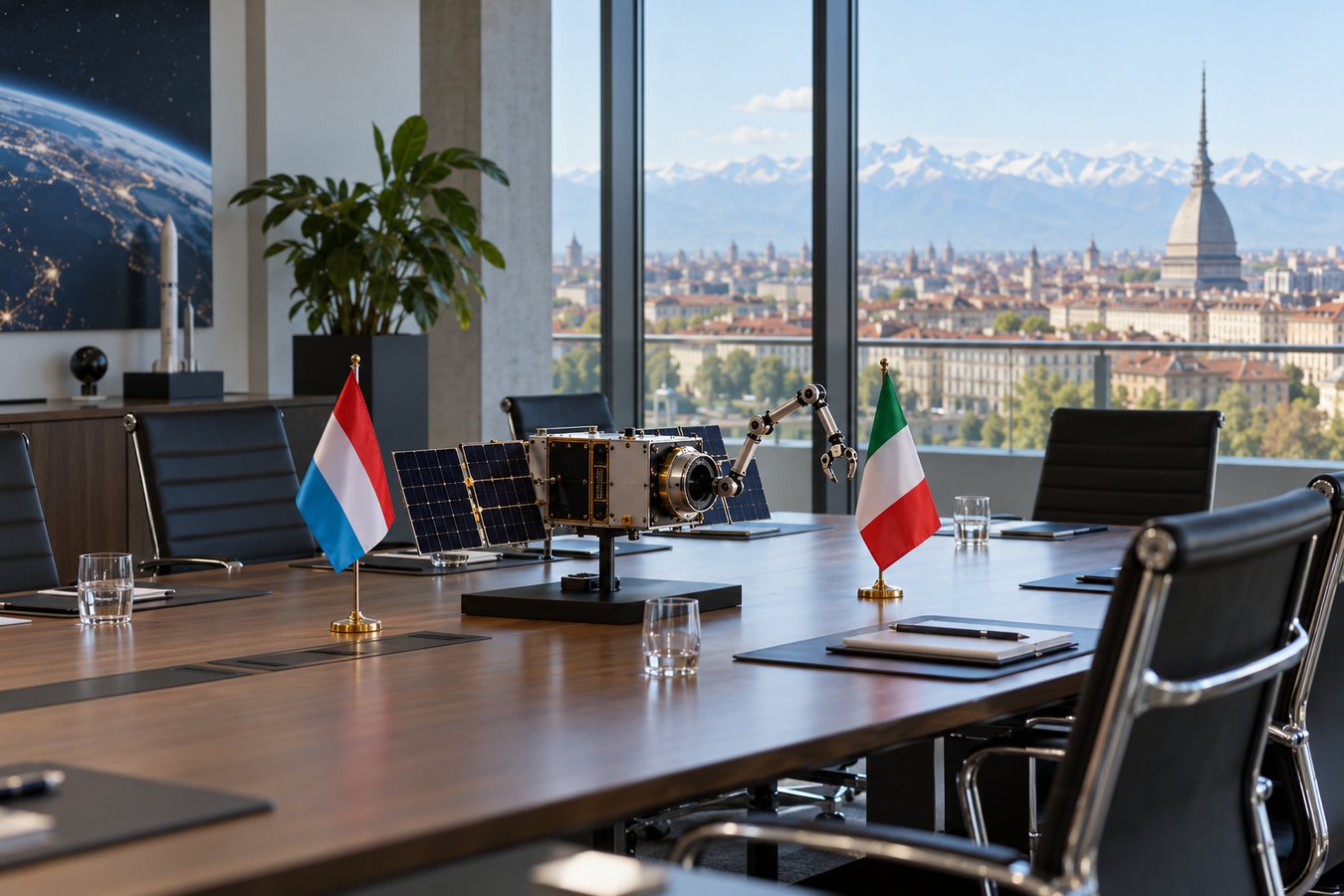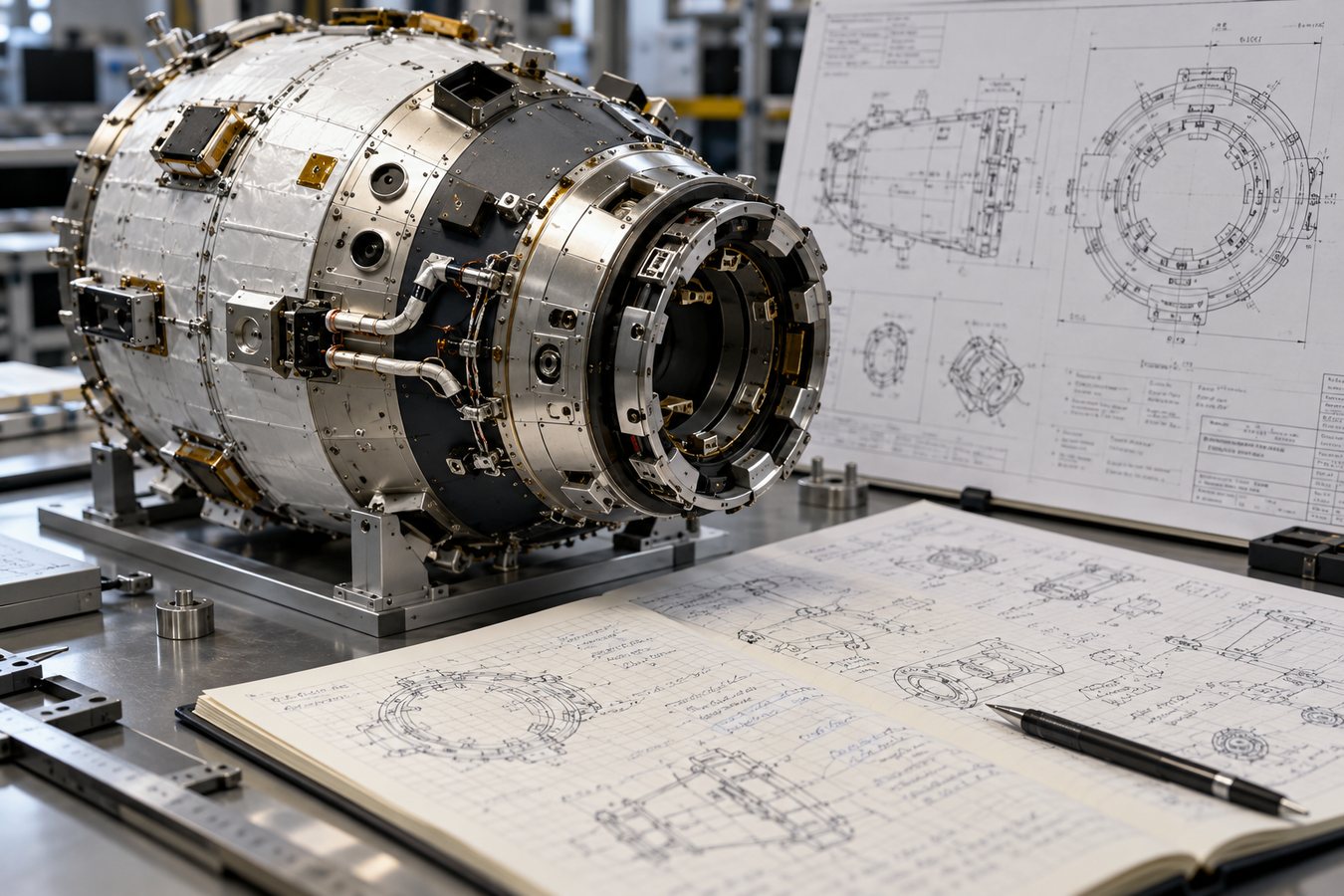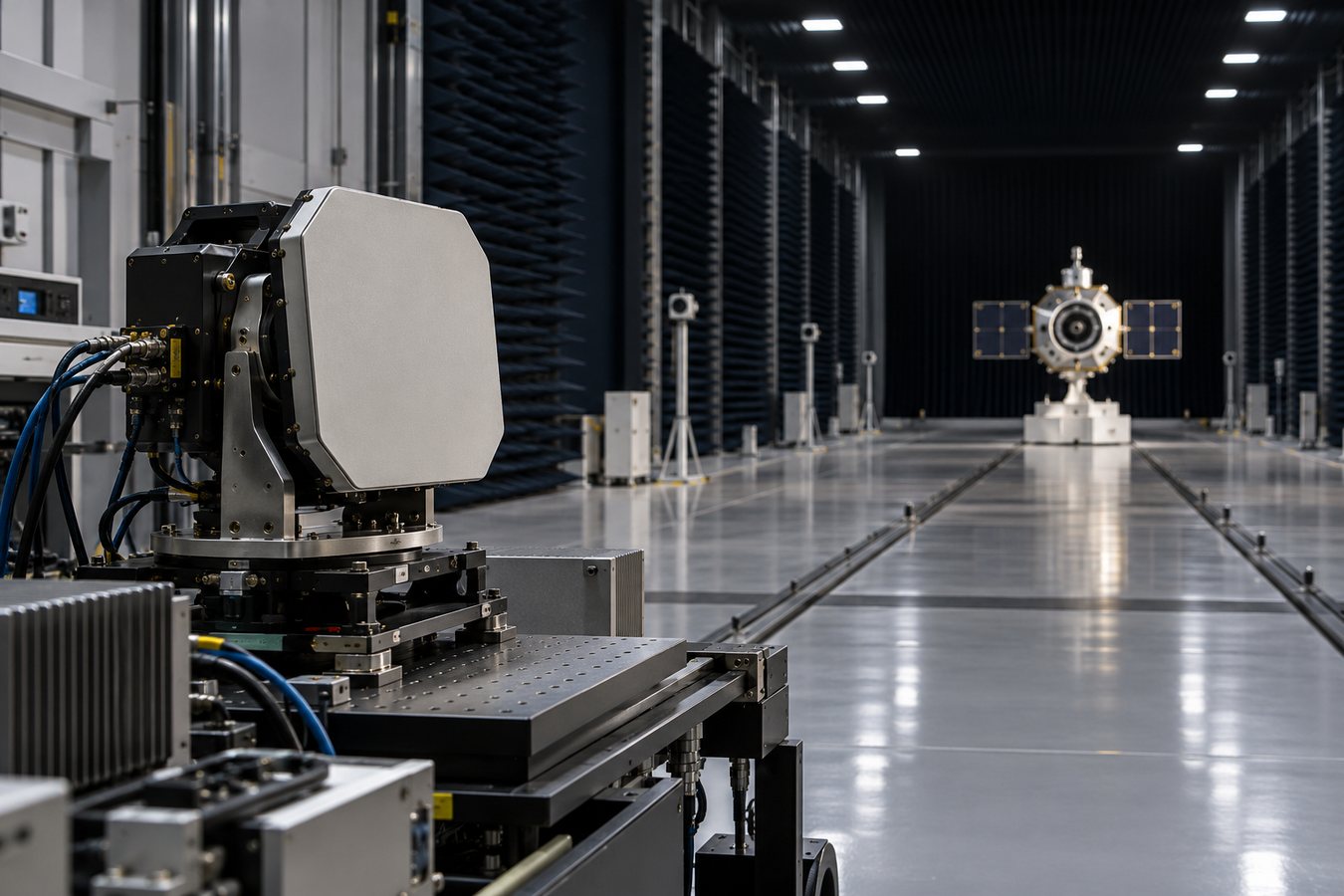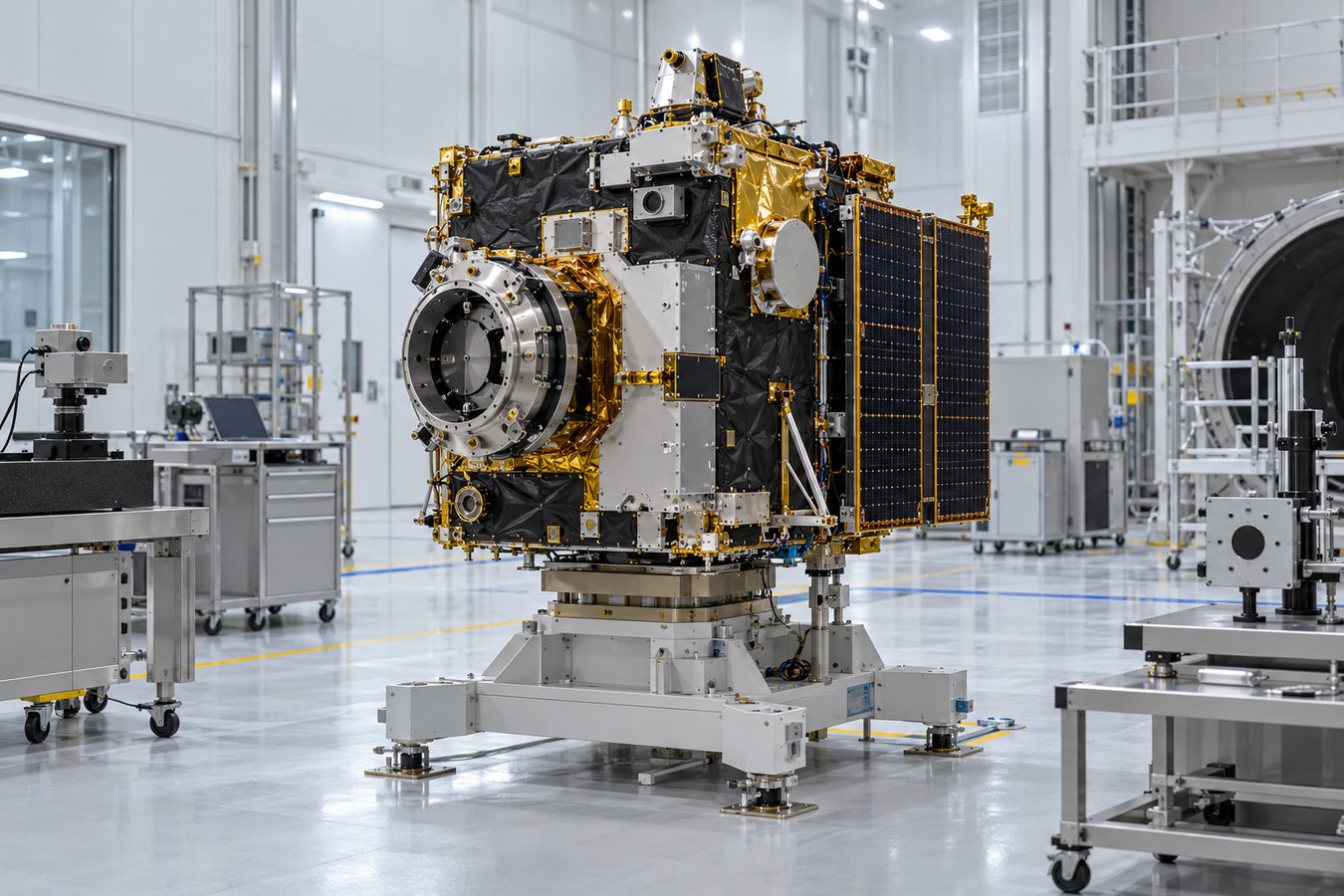
The Innovation Cluster, under which the program was launched, belongs to Thales Alenia Space. It is a joint venture between France's Thales and Italy's Leonardo, one of Europe's largest satellite manufacturers. The mission of Space Business Catalyst is to open new markets and new players for the major customer—that is, small companies that are not yet part of the traditional supplier base for space programs.
The program began in Toulouse, where Thales Alenia Space has one of its main technical centers, and then expanded to Turin. According to the company's own blog, Kurs Orbital was "among the first startups" in the Turin cohort. Participants will work on internal projects at Thales Alenia Space, not just give a formal presentation to a corporate jury.
The company's relationship with the European manufacturer is long-standing. In 2022, Kurs Orbital joined a consortium that the European Space Agency assembled with Thales Alenia Space and Leonardo for Europe's first in-orbit servicing mission. This involves work with already launched spacecraft: refueling, repair, and relocation of satellites without returning them to Earth. In 2023, the parties formalized a strategic partnership, and participation in Space Business Catalyst became the next step in this line.
A System from Kyiv
To understand why Kurs Orbital is of interest to a major customer, one must go back to its origins. The Kurs rendezvous system was created in the USSR in the 1980s, developed by Kyiv specialists, including at the Kyiv Radio Plant. According to InVenture, more than 300 dockings of Soyuz and Progress spacecraft with the Mir station and the ISS were performed using it. After the annexation of Crimea in 2014, supplies of Kurs to Russia ceased, and the team working with this legacy began to look for new products based on it.
The company is headed by Volodymyr Usov, co-founder and CEO of Kurs Orbital. He was born in Odesa, graduated from Odesa National Maritime University, is a member of the International Academy of Astronautics, and lives in Turin. In 2020, Usov headed the State Space Agency of Ukraine, and in the same year the country adopted a law on private space companies. His tenure at the agency is reported differently in various sources, so what matters here is only that in 2020 he was its head. Usov links the company to Vadym Vasyliev, with whom they started the project together.
Changes in the company's life coincided with tragedy. In February 2022, Russia invaded Ukraine, some investors withdrew from the project, and an office appeared in Turin, while development continued in Kyiv. A few months later, in November 2022, Kurs Orbital took first place at Start Cup Piemonte VdA, receiving 10,000 euros and the Jacobacci Silver. At that time, in an interview with AstroSpace, the bureau spoke of the ARCap demonstration mission, which was planned for launch in 2024.
Money, People, and Timelines
In March 2024, the company announced a seed round of approximately 3.7 million euros, or about 4 million dollars. The lead investor was OTB Ventures, with participation from Credo, Galaxia, with funds CDP VC and Obloo, PiemonteNext, In-Q-Tel, and Inovo. OTB Ventures partner Wojtek Walniczek was among those who supported the team. The company's team at that time numbered 11 people. The ARCap launch date was pushed back: instead of 2024, the flight is now expected in late 2025.
Recognition also came from incubators. In December 2024, the ESA Business Incubation Centre Turin named Kurs Orbital startup of the year. The center is coordinated by Giuseppe Scellato, president of I3P and professor at the Polytechnic University of Turin. At the same time, at the end of December, the company received a subsidized loan of 1.1 million euros from the Italian agency Invitalia under the Smart&Start program.
In early January 2025, Wired Italia included Kurs Orbital in a selection of ten startups to watch in 2025. In the same article, the company announced a bridge round intended to support operations until the next major financing. Entry into Space Business Catalyst was one of the last events before the publication of this text.
1