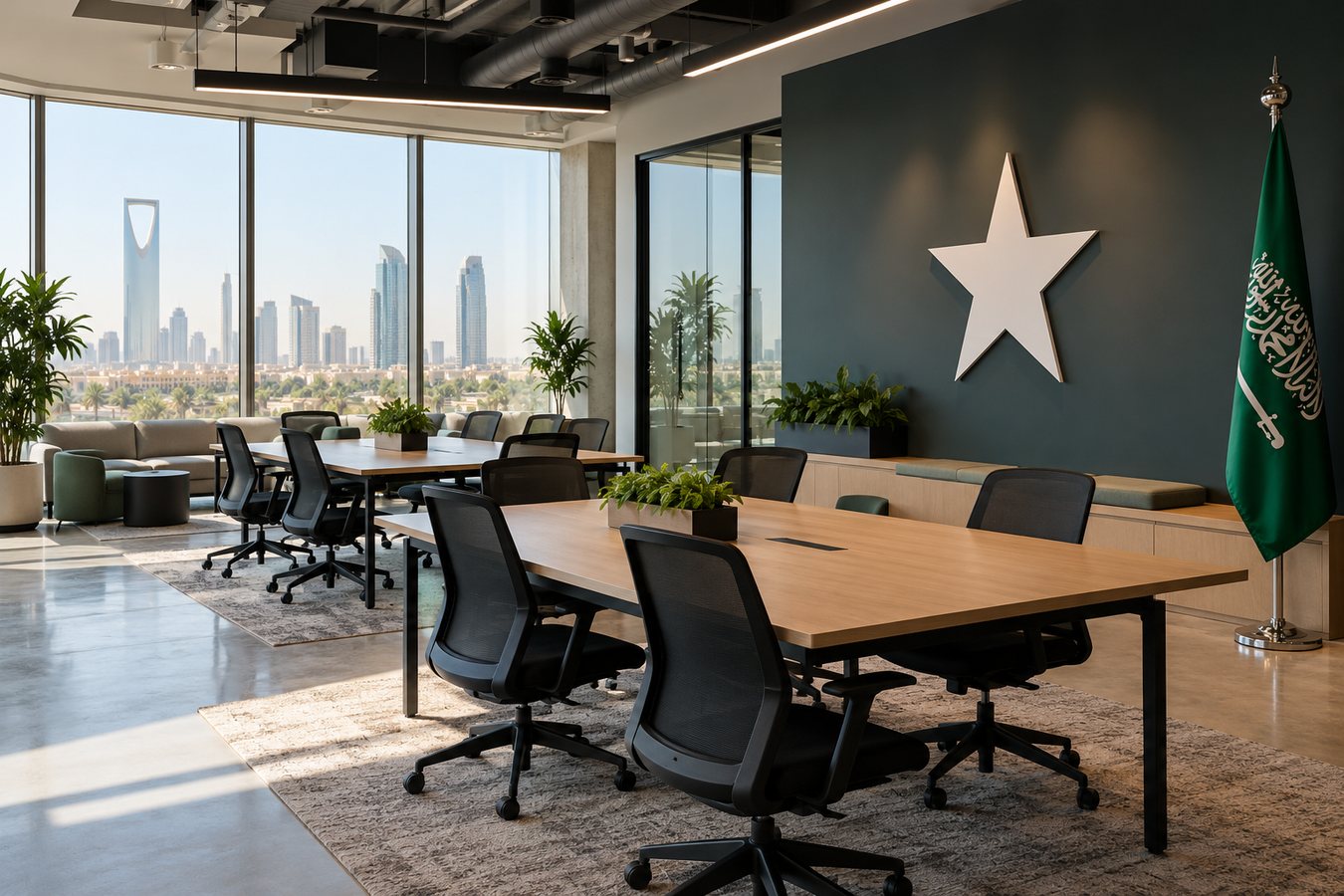
The program is designed for teams at the idea stage or just beginning to enter the market. It was announced by the Saudi Space Commission in January 2023. Techstars, one of the world's most renowned accelerator networks, founded in the US, is the partner. Sessions are held both in person and online, and participants are promised training, mentorship, introductions to the industry network and investors, as well as funding. The focus is narrow: space and aviation.
Kurs Orbital did not disclose the terms of participation, the amount of funding, or the number of participants in the program. In its own post, titled Kurs Orbital joins Techstars program with Saudi Space Commission, the company described only the program itself and the fact of its participation. Italian publications referred to it differently, as Saudi Space Techstars Founder Catalyst, but the company's post uses the name Saudi Space Commission Pre-Accelerator Program.
A Second Encounter with Techstars
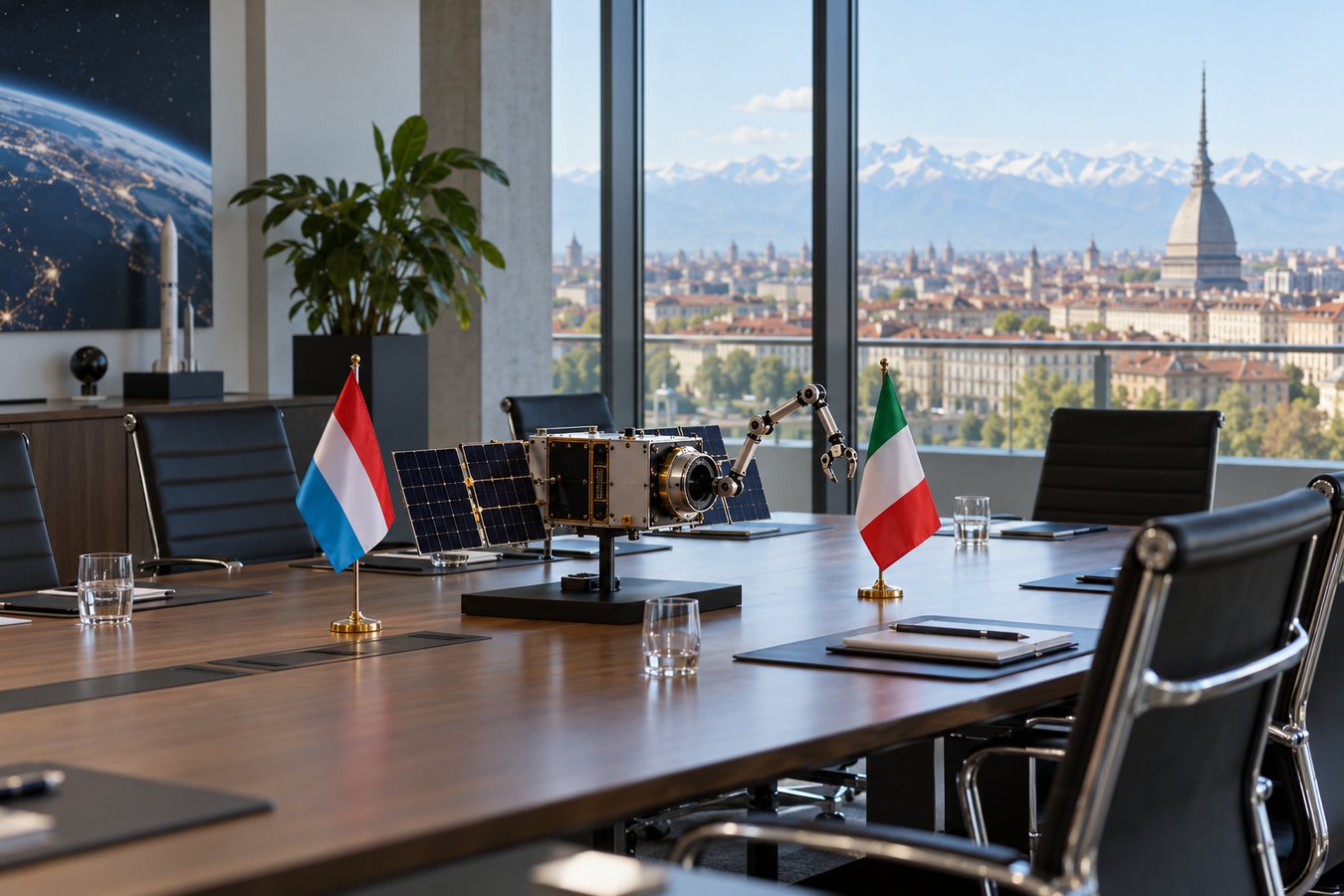
For Vladimir Usov, co-founder and CEO of Kurs Orbital, this is his second time working with Techstars. In 2015, his previous company, Kwambio, completed the Boston batch of the accelerator. Usov himself was born in Odesa and graduated from Odesa National Maritime University. In 2020, he headed the State Space Agency of Ukraine (SSAU), and he is currently a member of the International Academy of Astronautics. He lives in Turin, where the company's office is located.
The Saudi program emerged at a time when Saudi Arabia is actively investing in space projects and seeking technologies beyond its own market. For the startup, it is an opportunity to reach new partners and investors, and for the program, in turn, an interest in projects from Europe and Ukraine. The company has not publicly described what specific agreements and contacts Kurs Orbital made during the program.
What Stood Behind the Startup
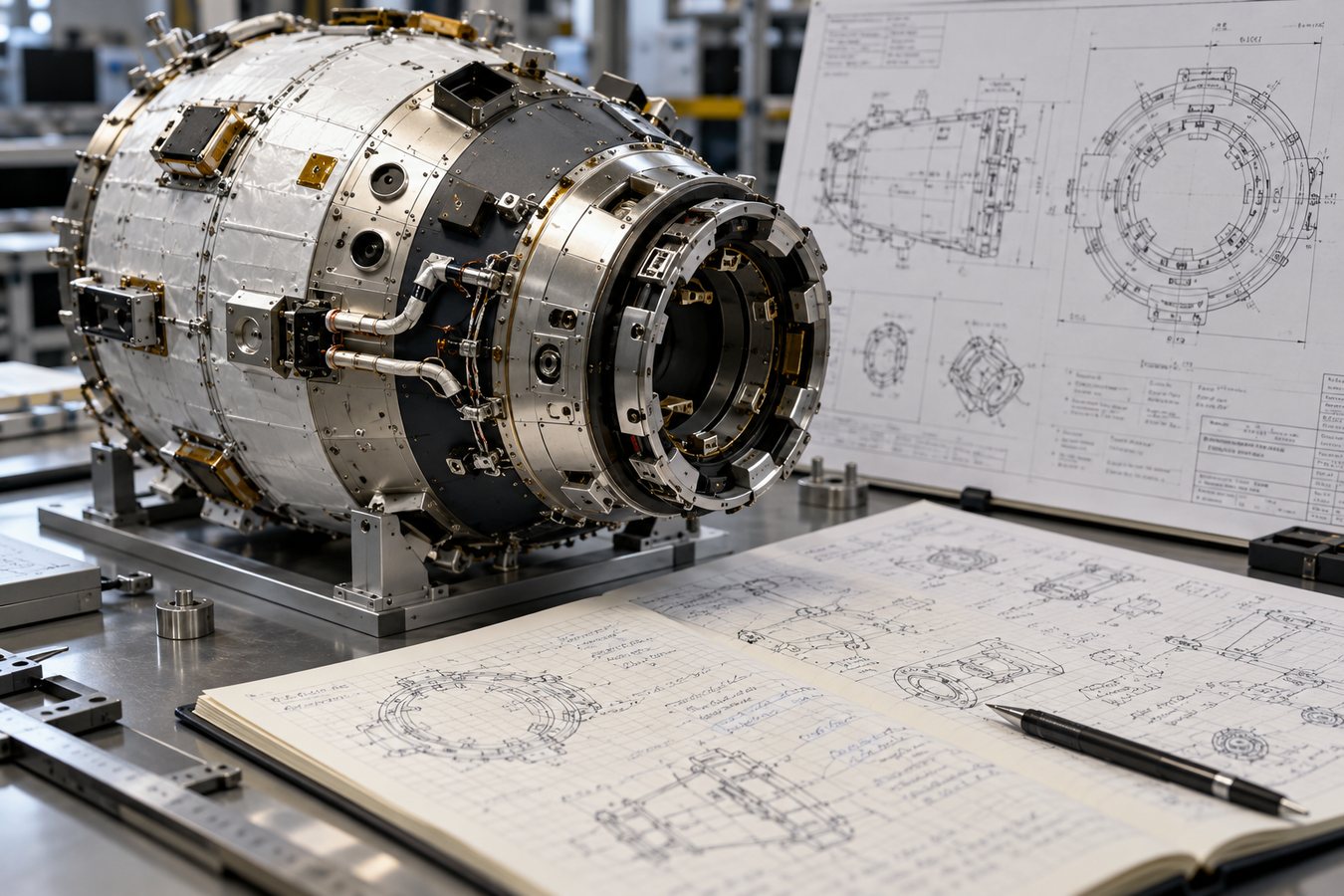
The company's name is linked to the Kurs rendezvous system. It was developed in the 1980s in the USSR, with contributions from Kyiv specialists and the Kyiv Radio Plant. According to InVenture, more than 300 dockings of Soyuz and Progress spacecraft with Mir and the ISS were performed using Kurs. After the annexation of Crimea in 2014, supplies of Kurs to Russia ceased. The team began searching for new products based on this heritage.
Usov traces the birth of the company to Vadym Vasyliev. A Ukrainian patent application was filed on January 4, 2022. In February 2022, with the start of Russia's full-scale invasion, investors withdrew from the project. The office in Turin remained, and development continued in Kyiv. On January 3, 2023, an international PCT application was filed, just weeks before the start of the Saudi program.
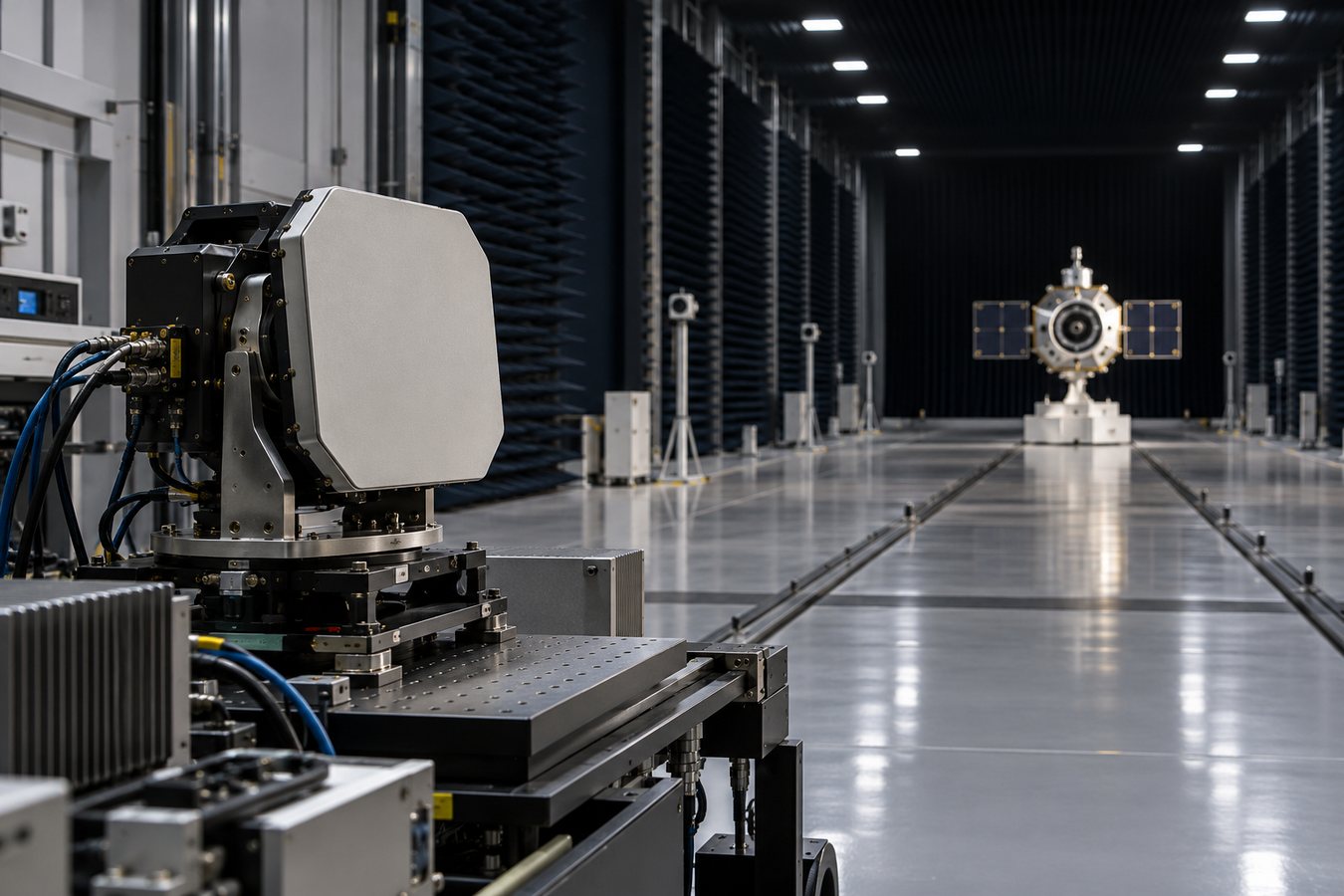
In November 2022, the team won the Start Cup Piemonte competition, taking first place, €10,000, and the Jacobacci Silver prize. In an interview with AstroSpace, the bureau estimated the readiness of its ARCap project at approximately 50–60% and planned a flight for 2024. Work on ARCap continued alongside participation in accelerators.
The Saudi program was the first of the company's three accelerators in 2023. Kurs Orbital then completed the London-based Seraphim Space Camp Accelerator, followed by the European SpaceFounders program.
1