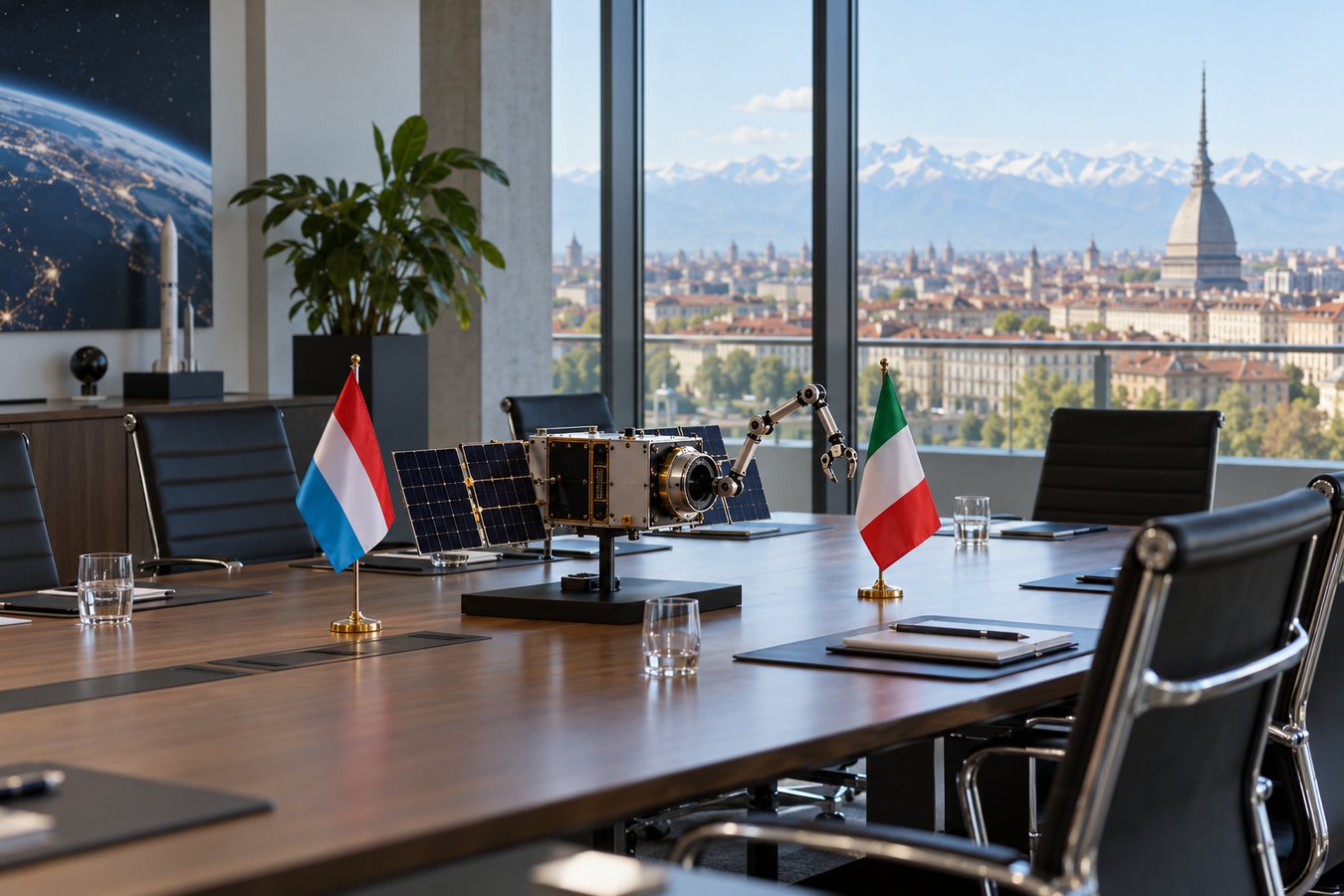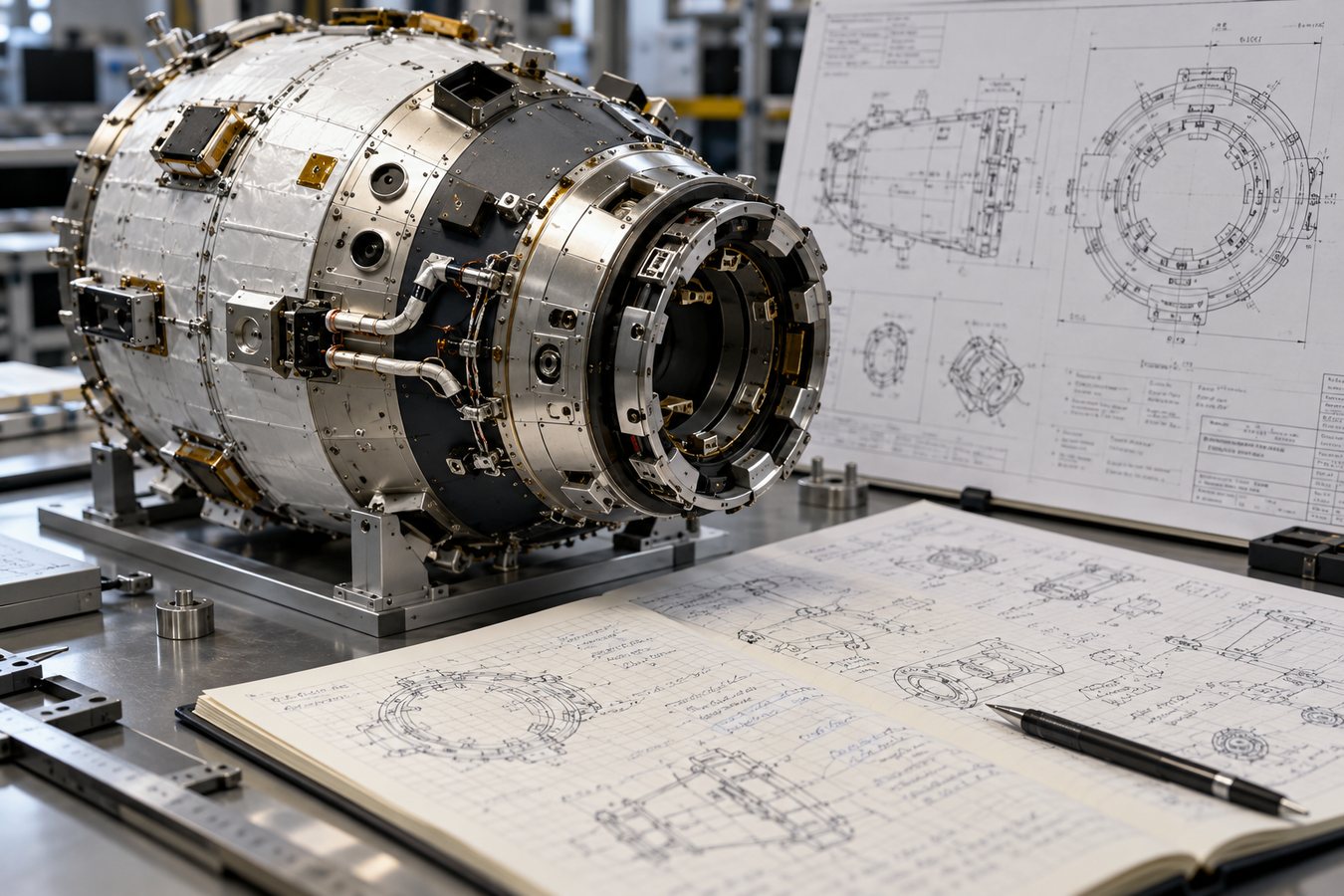
Kurs Orbital was founded by people who grew up in the Ukrainian space industry. Vladimir Usov, a graduate of Odessa National Maritime University, headed the State Space Agency of Ukraine (SSAU) in 2020, and now lives in Turin and runs the company as CEO. According to him, the business began with Vadym Vasyliev, with whom he launched the idea together. The name and the core technology came from the Soviet legacy, and without that history the project is hard to understand.
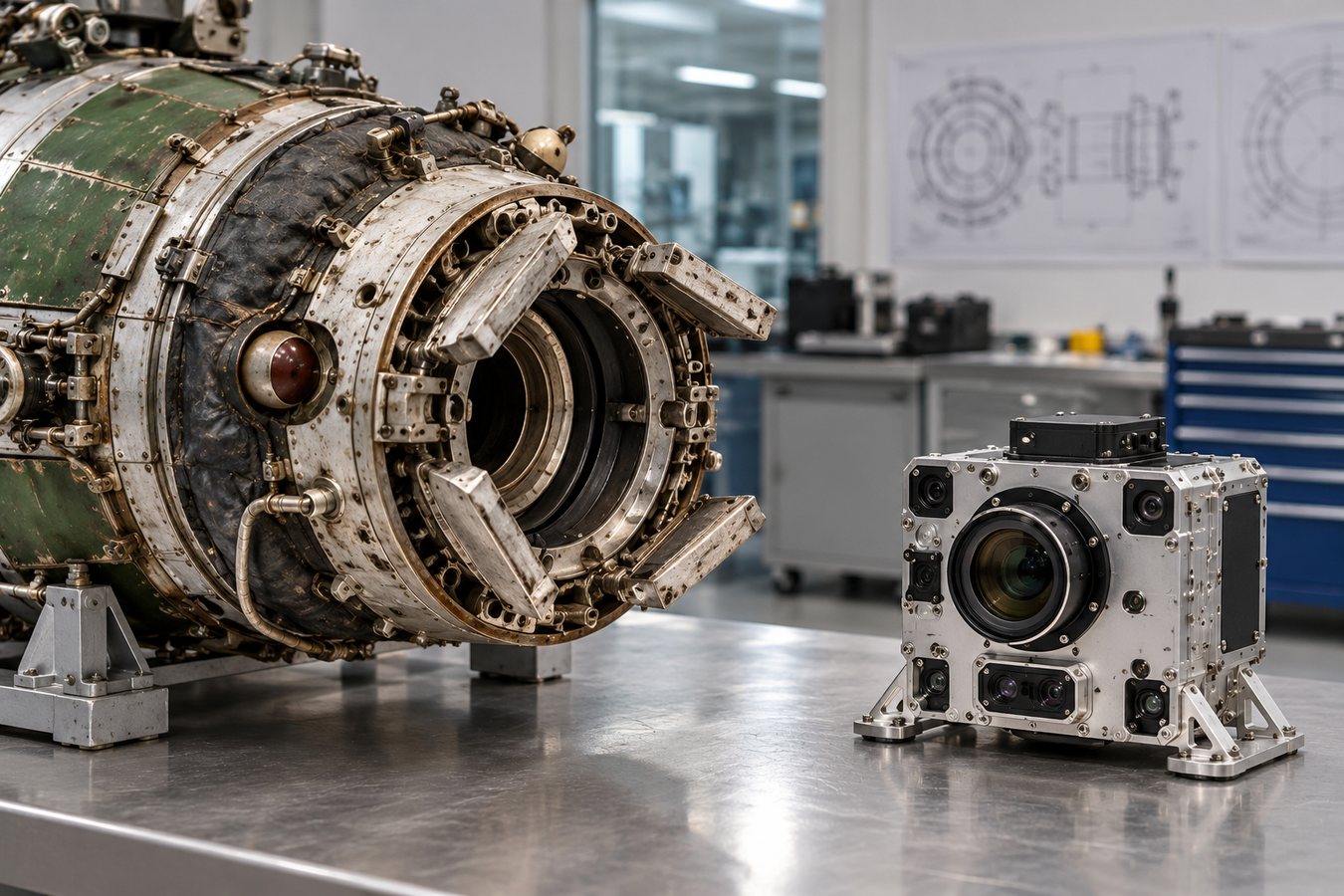
The Kurs rendezvous system was created in the USSR, while the development and production of the rendezvous module took place in Kyiv. According to InVenture, more than 300 dockings of Soyuz and Progress spacecraft with Mir and the ISS were performed with its help. The company claims that Kurs accounts for 65 percent of all dockings in history, but this is the bureau's own estimate, not independent statistics. Usov himself stressed in the interview that the team that built the module for the ISS in Kyiv now works for Kurs Orbital.
The break with the Russian market happened earlier than the current company emerged. After the annexation of Crimea in 2014, Kurs deliveries to Russia ceased, and the team began looking for new products based on the same legacy. The full-scale invasion in February 2022 was a new blow: investors withdrew, and the office moved to Turin, while the engineering work remained in Kyiv. Against this backdrop, the regional success looked like an important signal.
ARCap: radar, vision and laser
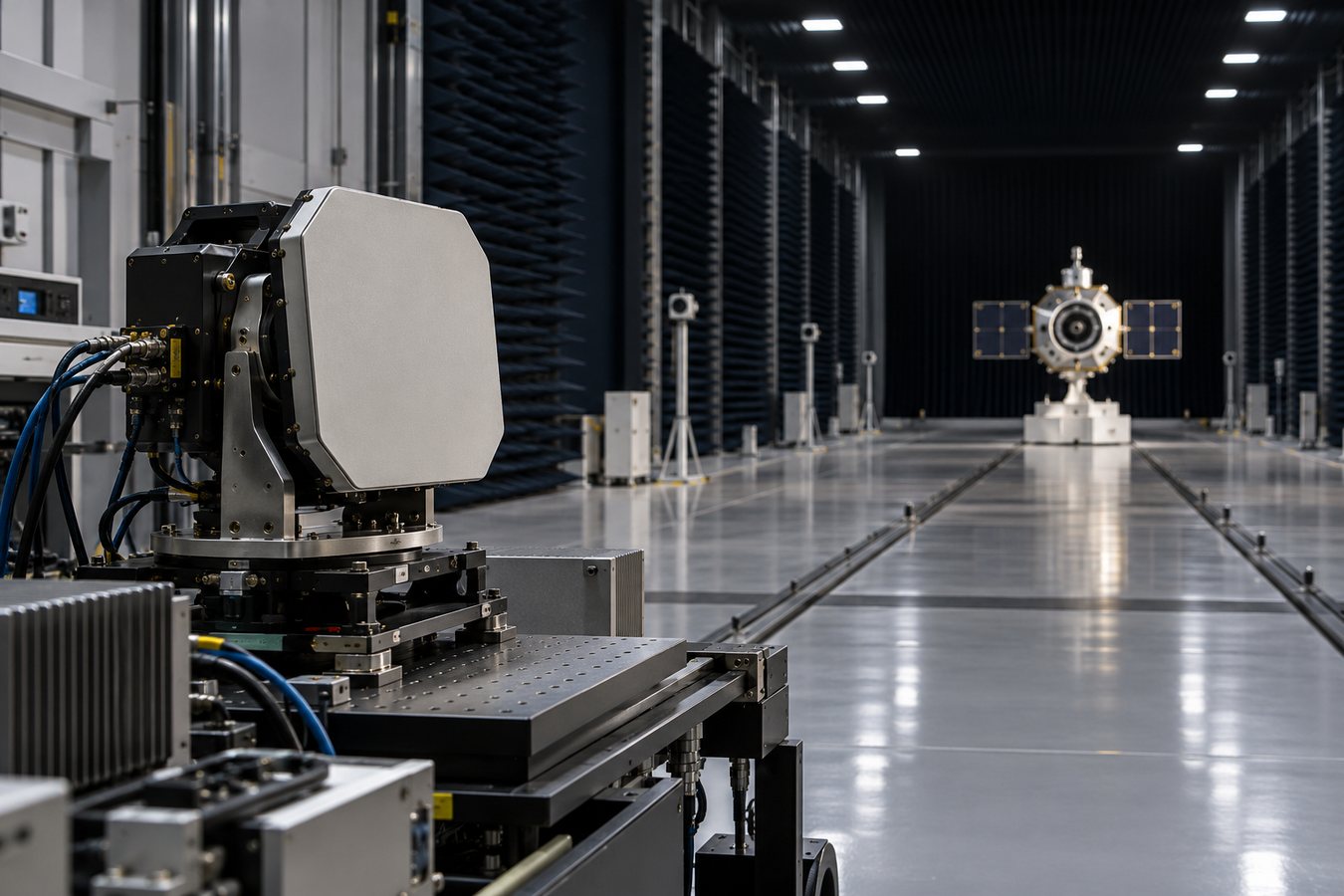
The new generation of the system, which the bureau calls ARCap, combines three components: radar, machine vision with machine learning, and a laser rangefinder. Radar-based rendezvous begins at about fifty kilometres, whereas systems relying only on machine vision work only from a distance of a few metres. This is a fundamental difference: vision performs poorly at long distances, while radar provides a reference point long before the final approach. According to the company, the solution scales from geostationary orbit to low orbit and operates fully autonomously.
The market the project targets is called OSAM, that is, servicing, assembly and manufacturing in orbit. Demand for such services is growing along with the number of satellites and the emergence of private stations. In the interview, Usov mentioned five or six private stations under construction that will need automatic docking. For now this is a market of the future, but the company already has its first footholds: it is part of a consortium assembled by the European Space Agency together with Thales Alenia Space and Leonardo for the first European in-orbit servicing mission, works with ClearSpace, which is engaged in space debris removal, and participates in the servicing standards consortium created by DARPA.
Usov's main thesis sounds like a programme. He spoke about making the technology accessible to companies and startups:
“Our main mission is to democratize access to in-orbit services.”
In practice, this means price. According to Usov, the service costs slightly less than a million euros, which for orbital work is a figure noticeably lower than usual expectations. At that time he estimated ARCap's readiness at 50–60 percent, with about a year remaining until the flight model, and the first mission was planned for 2024.
Money, timelines and first steps in Turin
Regional recognition came on 8 November 2022, when the project took first place in the Start Cup Piemonte and Valle d'Aosta among 173 business applications. The prize included 10,000 euros and the Jacobacci Silver award. For a company that had just moved to the region, this was a way to make itself known to local investors and research centres.
The timelines, however, slipped. The 2024 plan did not materialise: the flight was postponed to the end of 2025. In March 2024, the company raised a seed round of 3.7 million euros, led by OTB Ventures, whose partner Wojtek Walniczek became one of the key investors. These funds were supposed to bring the system to a flight-ready prototype.
In January 2026, the company tested the radar at distances of up to one kilometre, and a patent for the rendezvous technology was granted in the United States. As of these events, the ARCap flight remains in the plans, and there are no confirmed launch dates in open sources.
1