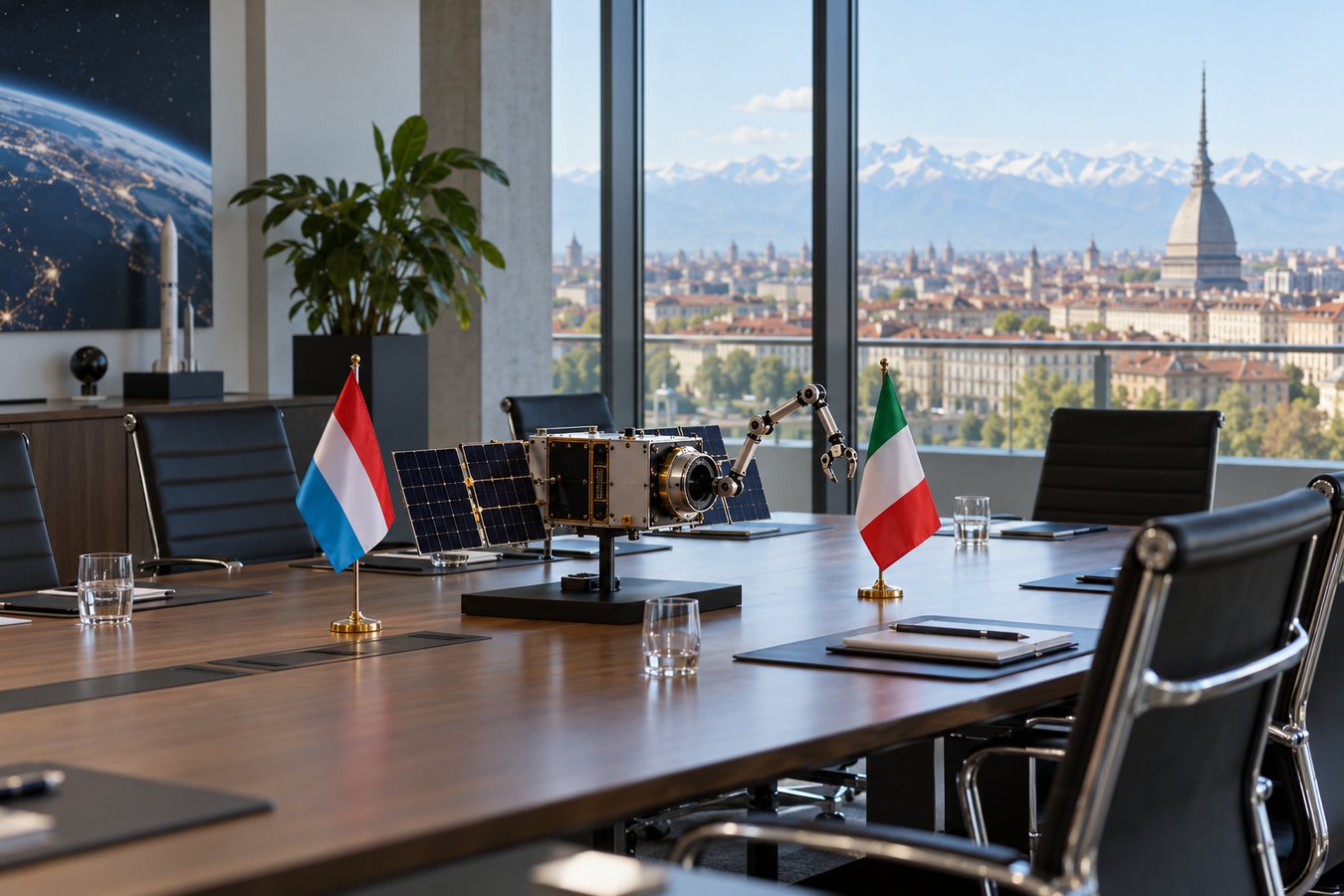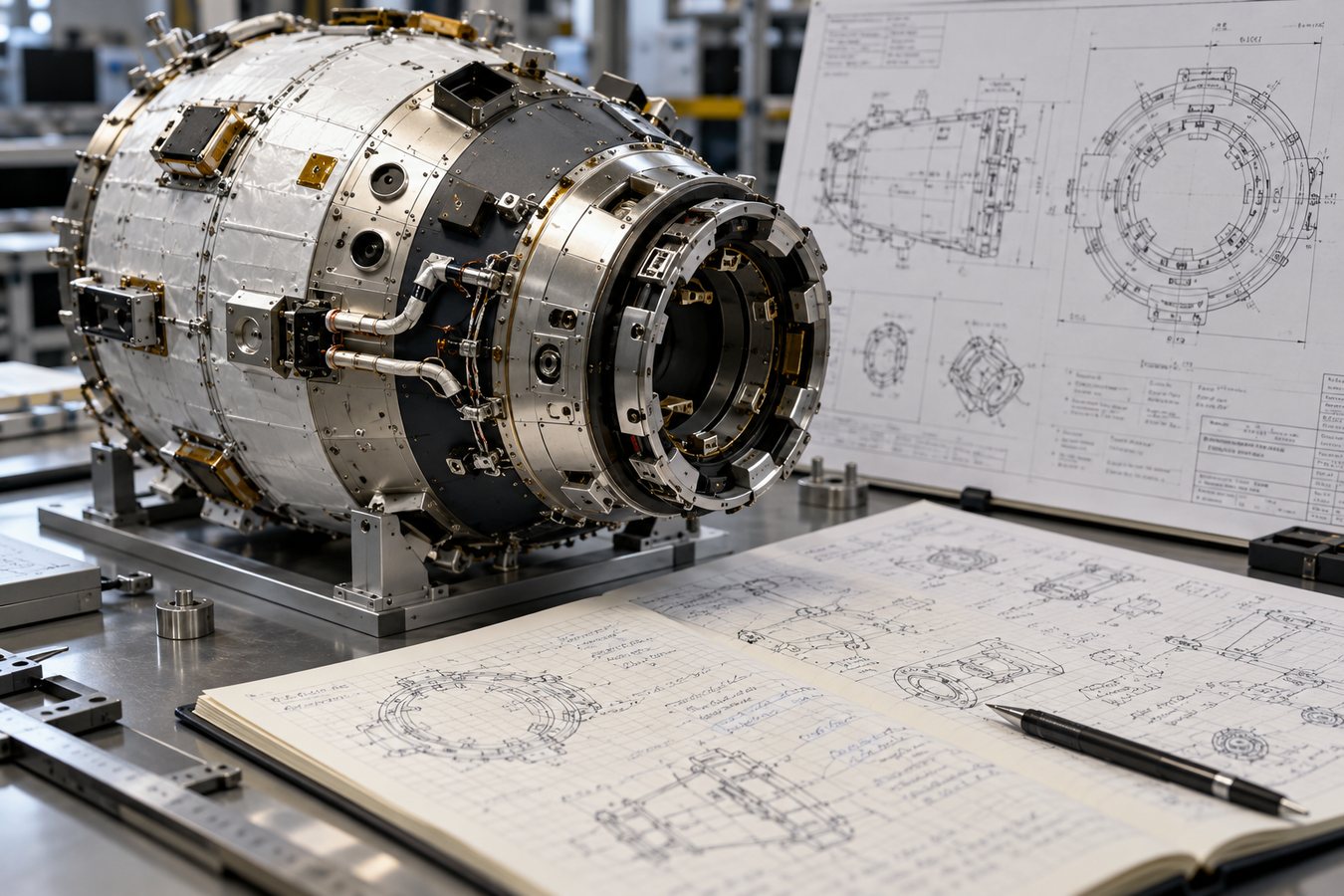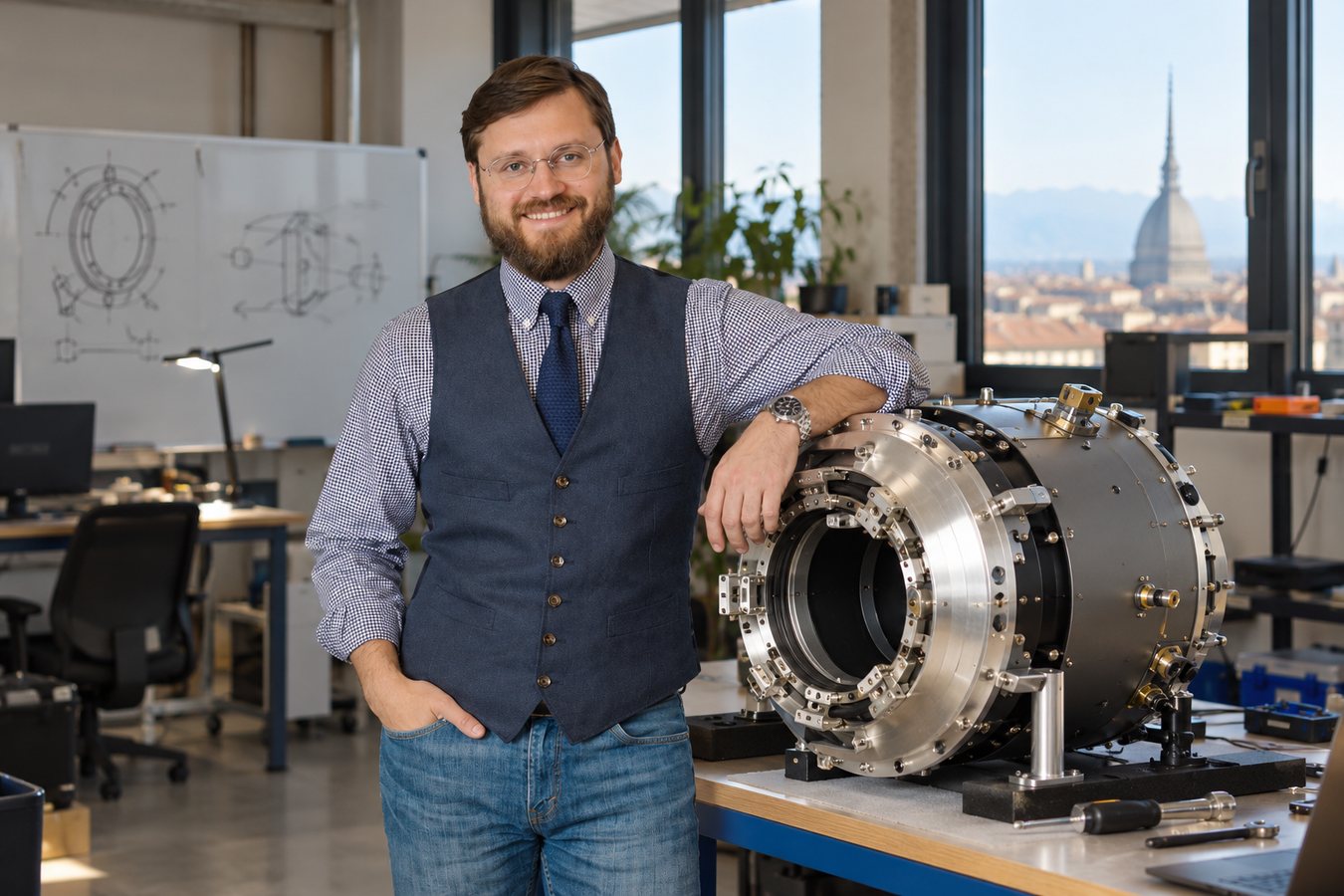
The company's name harks back to the Soviet Kurs rendezvous system, developed by Kyiv specialists. In the 1980s it enabled Soyuz and Progress spacecraft to dock with the Mir station and later with the ISS. According to InVenture, there were more than three hundred such dockings. After the annexation of Crimea in 2014, supplies of Kurs to Russia ceased, and the team began seeking new products based on that heritage.
Today Kurs Orbital does not intend to provide on-orbit services itself. It aims to be a supplier of rendezvous and docking technology. Its ARCap module can be integrated into any platform, whether a satellite, a tug or another vehicle. Usov explained the concept bluntly: "There are no ready-made rendezvous and docking technologies today." The module's key feature is that it is designed for "uncooperative" targets—spacecraft without pre-installed equipment. This means satellites that have run out of fuel, are malfunctioning, or have become space debris.
Why the market needs docking without preparation
The example TechCrunch used to illustrate the importance of such technology involved Viasat's ViaSat-3 satellite. Its antenna failed to deploy, and the insurance claim for the incident amounted to $421 million. For a communications operator, such a loss means not only the idling of an expensive spacecraft but also the inability to repair it by conventional means. That is why demand for vehicles that can be approached, grasped and serviced will grow, according to the authors of the publication.
Usov sees this as the next stage in the space industry's evolution. He told TechCrunch: "One of the next big steps in space will be multimodality, as we know it on Earth." The idea is that different vehicles and different types of operations should work within a single system, just as trucks, trains and ships do in logistics.
Money, people and background
The round was led by OTB Ventures, and its partner Wojtek Walniczek became one of the key figures in the deal. Galaxia is a fund created by CDP Venture Capital and Obloo Ventures, and Obloo's managing partner is Nicola Redi. Credo Ventures and Inovo participated as venture investors, while In-Q-Tel is known as a fund that works with U.S. government agencies in security and technology.
The company is two years old and based in Turin. According to TechCrunch, the team numbers eleven people, and part of the raised funds will go toward expansion. Usov said he founded the company together with Vadym Vasyliev, with whom he began working on the idea.
The path to this round was not easy. Usov headed the State Space Agency of Ukraine in 2020, and in February 2022 the Russian invasion forced investors to step back from the project. The company's office remained in Turin, while development continues in Kyiv. Nevertheless, the project gained recognition in Italy: in November 2022 it took first place at the Start Cup Piemonte competition with a €10,000 prize, and in early 2023 it completed the Saudi Space Commission Pre-Accelerator, a program run by Techstars.
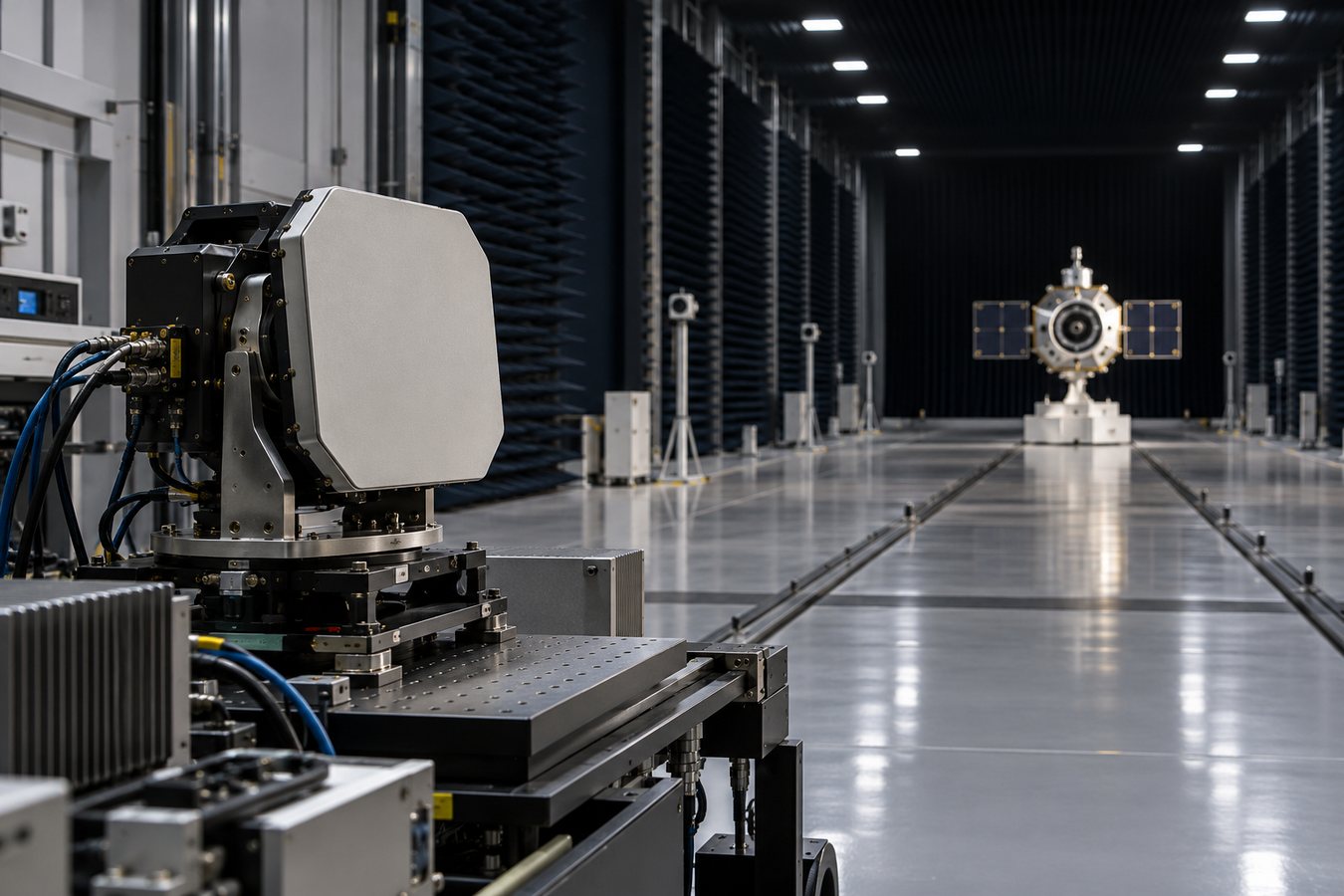
In November 2022, Usov told AstroSpace that ARCap was 50–60 percent ready and that the mission was planned for 2024. In TechCrunch, the talk was already of the fourth quarter of 2025, when the first module should be ready for flight. The timeline had thus shifted more than once. In January 2026, the company reported radar tests at distances up to one kilometer, and on January 6 of that year, patent protection US12515824B2 was granted. There is no information about ARCap's first orbital mission as of this moment.
1