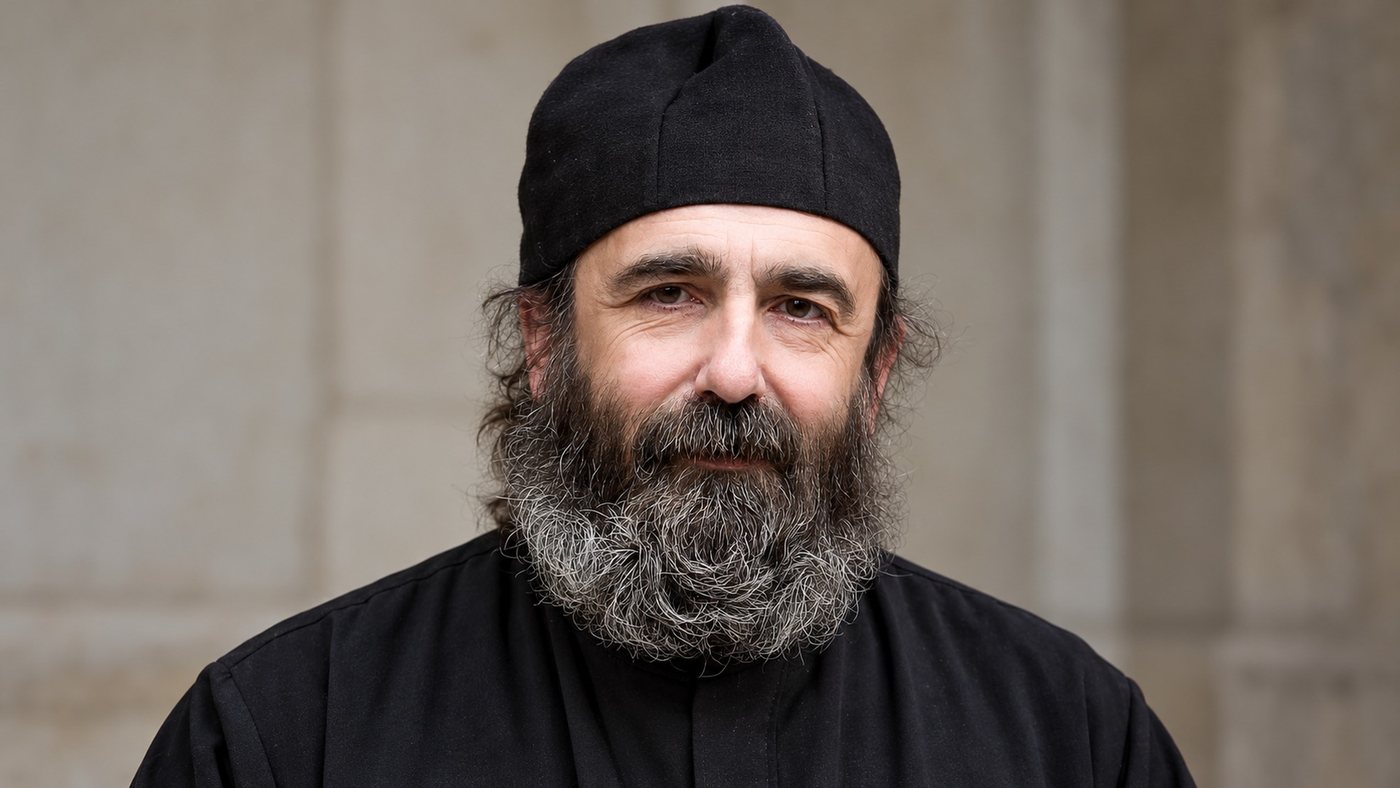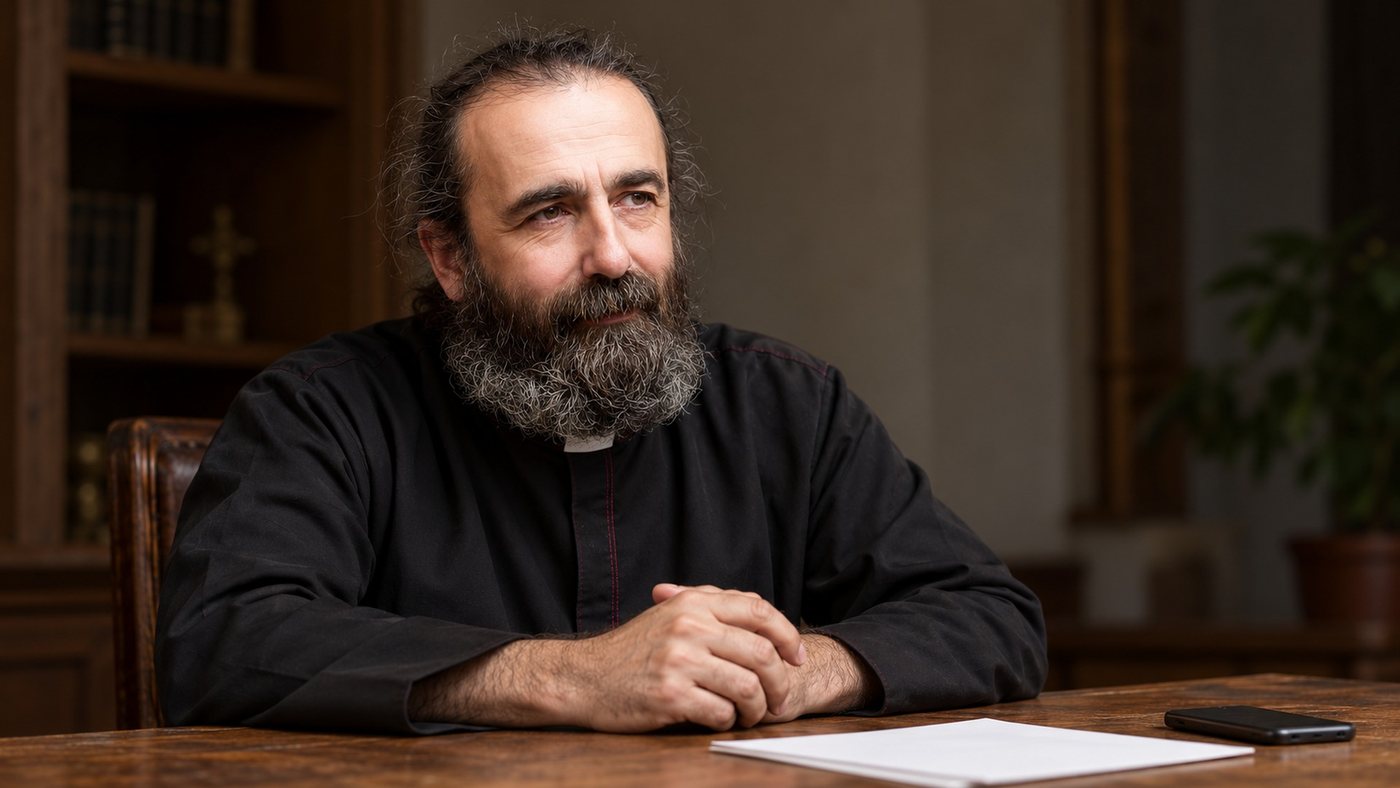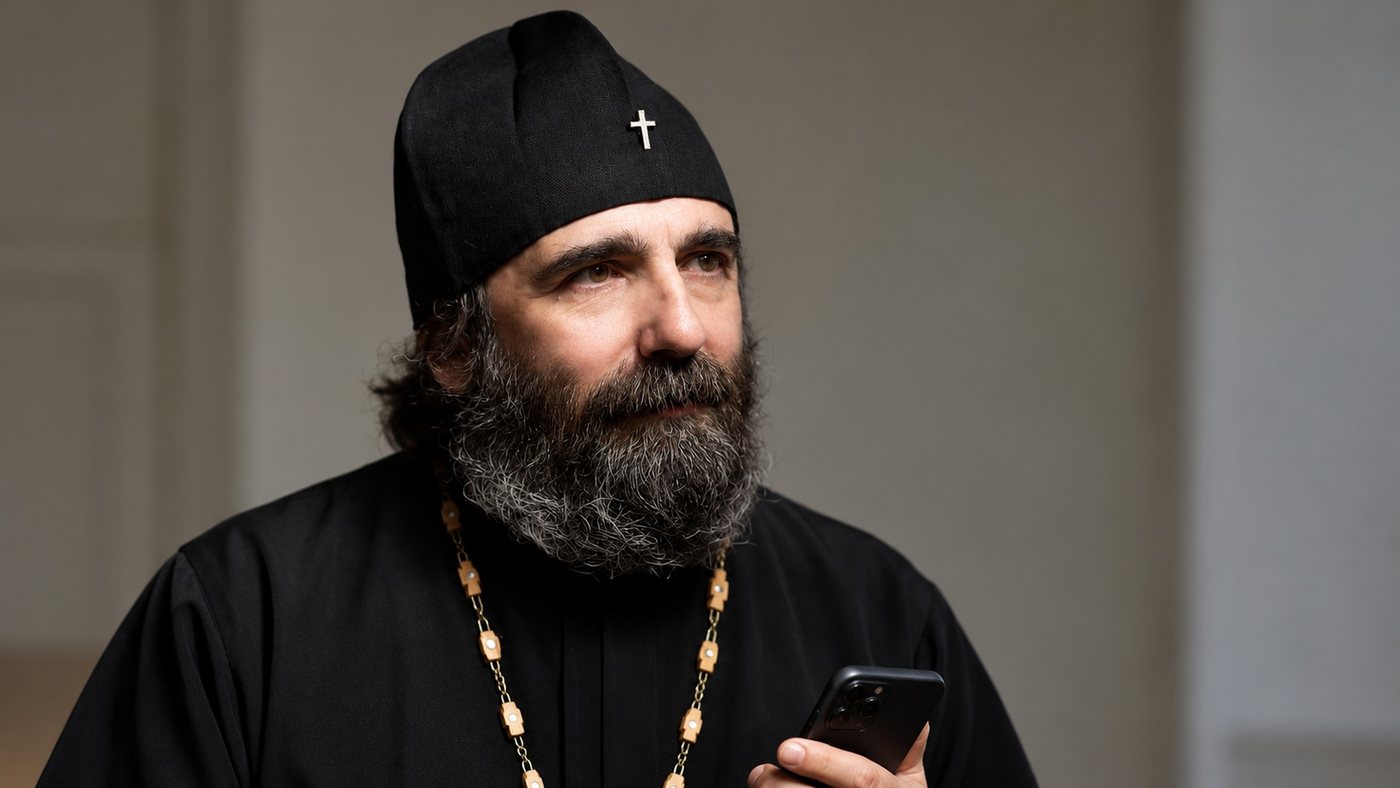
The occasion for the conversation was an observation: there is a Bible in almost every Orthodox home, but few read it regularly, and even fewer try to view their own lives through the biblical text. Desnitsky recalled how in the 1980s young Christians sought Bibles from book speculators and wrote term papers on Christianity for access to the special collections. Now, he said, the book can be bought in any shop, “but people read it little, and when they do read, they do not try very hard to understand, let alone apply what they have read to their lives.”
Respect Instead of Reading
The main reason the interviewee saw was the lack of understanding of what place Scripture should occupy in today’s life. Without that, the attitude to the Bible becomes “respectfully neutral — like a museum rarity.” Everyone acknowledges its authority in words, but there is no serious motivation to read regularly and thoughtfully; many think that a churchgoing Christian has enough with the Church Fathers. Desnitsky objected: the Fathers themselves constantly read the Bible, and most of their works are interpretations of Scripture applied to the listener’s situation. Reading the Fathers without knowledge of the biblical text risks turning into bookishness and juggling quotations in arguments.
As an example he cited the sermons of John Chrysostom, who, by his description, read Scripture the way people now read newspaper articles on current topics, and connected what he read with the problems of Constantinople at the end of the fourth century.
Seminary and Fear
Desnitsky spoke separately about the training of priests. A young seminary graduate, faced with contemporary questions and the works of radical biblical critics, finds himself before a choice: either “evil heretics” stand before him, or everything he was taught is outdated rubbish. The reason, in his assessment, is that seminarians were not prepared to encounter the text and were not told of its multidimensionality. As a result, Scripture is perceived as something explosive that is better left alone.
Among the reasons he also named the fear of sliding into Protestantism with its principle of “Scripture alone,” and a general fear of liberalism, modernism and the West. Desnitsky saw a rational kernel in caution: a literal reading of phrases torn from context can lead far. But, he said, “the ostrich policy is ineffective”: rejecting Tradition is wrong, but it does not follow that Scripture should be rejected.
“A Space of Piety” and What to Do
He linked another reason to the shocking passages of the biblical text, especially in the Old Testament. Believers sometimes try to build around themselves a sterile “space of piety” where there is nothing controversial or incomprehensible, but the Bible does not fit into it. Desnitsky compared such an existence to life in a sterile isolation ward after a bone marrow transplant: a person is deprived of spiritual immunity. Scripture, he stressed, is not a catechism or a collection of answers, but a narrative where there is sin and ugliness, yet everything has meaning; in it are given “landmarks, not fences with barbed wire.”
The problem, in his opinion, must be solved at the church-wide level — by analogy with the already recognized need for youth and missionary work. He proposed creating an information and consultation center that would engage not in control but in developing methods: parish Bible circles exist, but they vary in quality and “stew in their own juice.” There is no universal way of reading; a whole palette of methods is needed, and much is already available in the Fathers and in the modern world.
The internet, according to Desnitsky, is needed both as a repository of literature and as a platform for a quick response to new challenges. As an example he cited the book by Rolf Furuli, a Jehovah’s Witness, proving the superiority of the Jehovah’s Witnesses’ translation: he called the translation monstrous, distorting dogmatically important passages, and said that a standard seminary course is insufficient to refute it.
In seminaries he proposed separating knowledge of biblical facts from the method of reading the text and introducing a course in hermeneutics — not rote learning of what the Fathers said, but the art of understanding, bearing in mind that literal, allegorical, typological and moral readings have always existed in the Church. At the parish level, even without a trained biblical scholar, it is important to read Scripture together constantly, so that it becomes as much the center of the community as the Eucharist, and to ask oneself over every passage: where am I in this story?
1