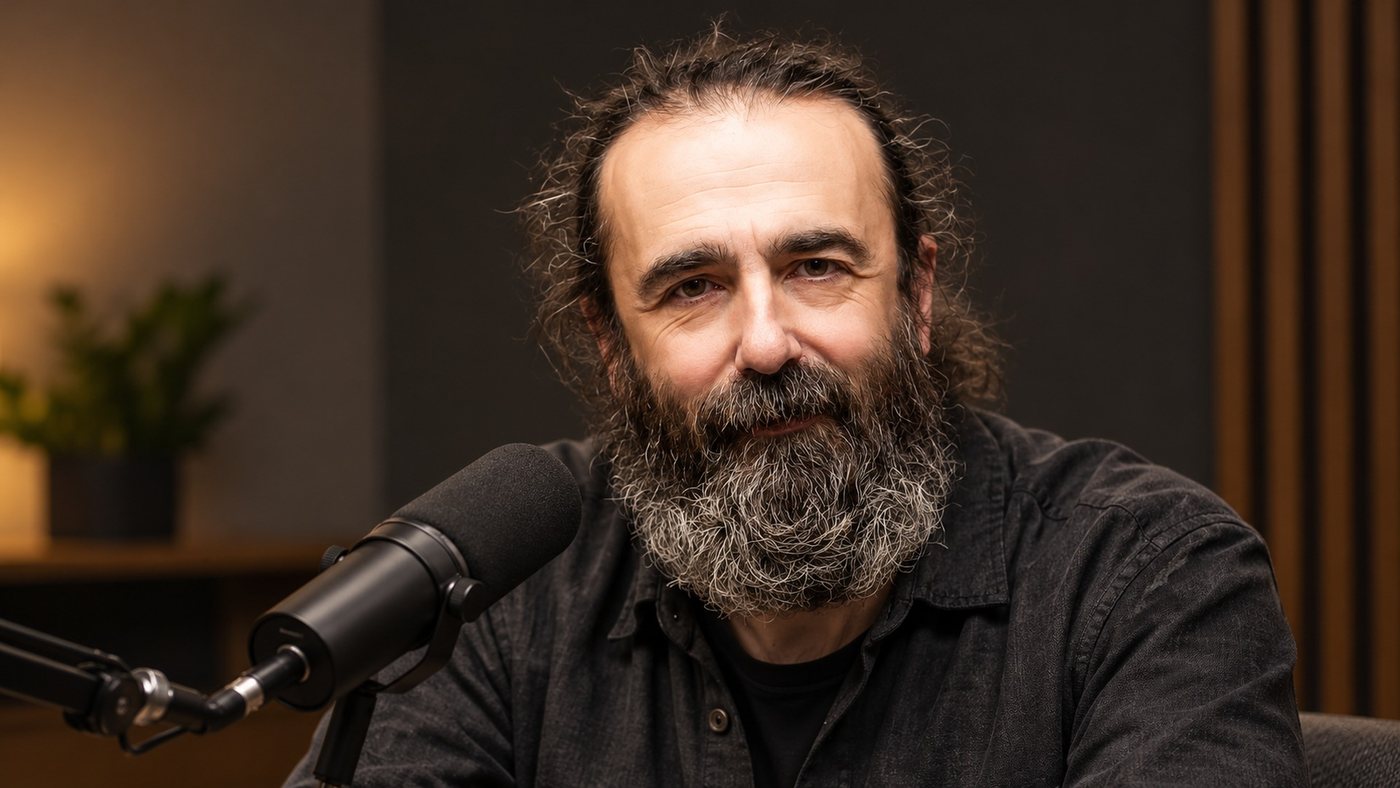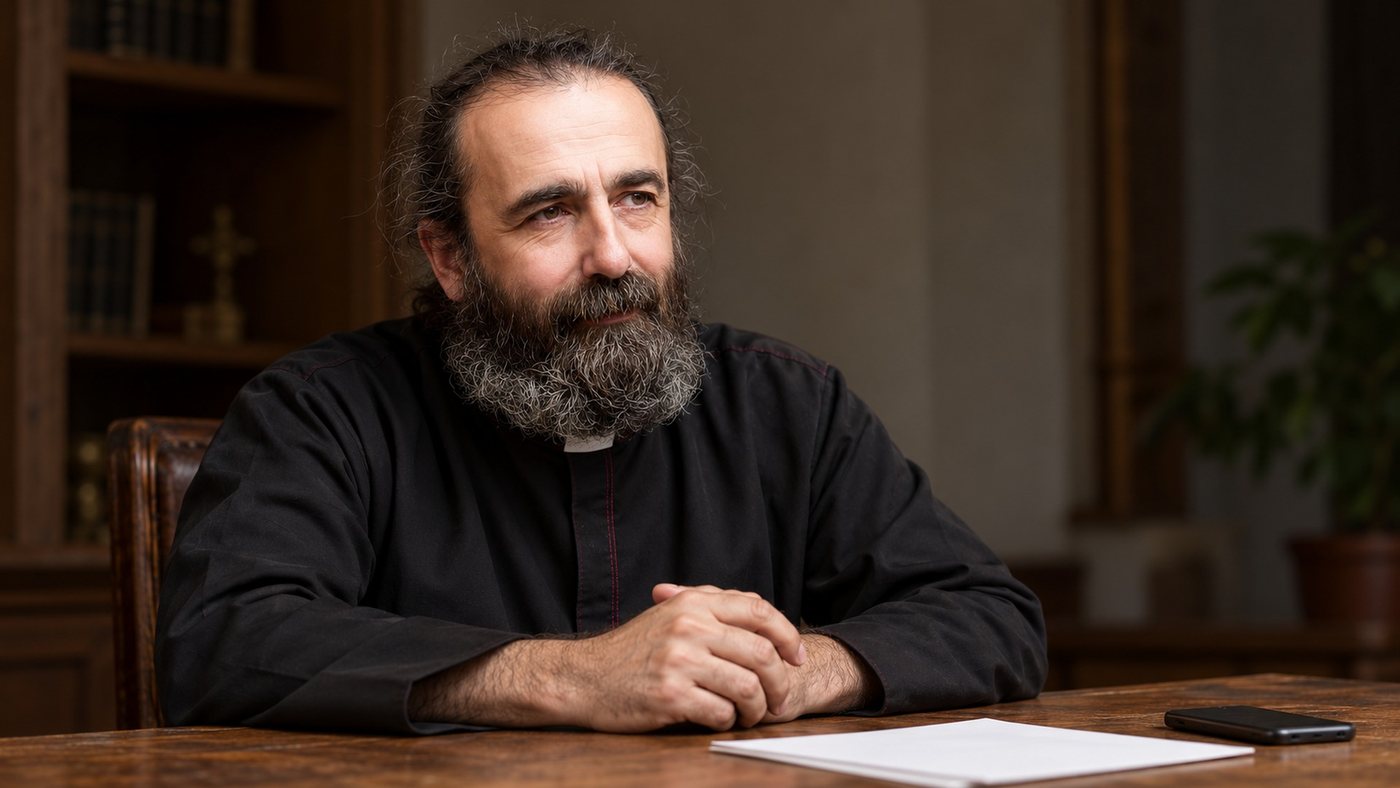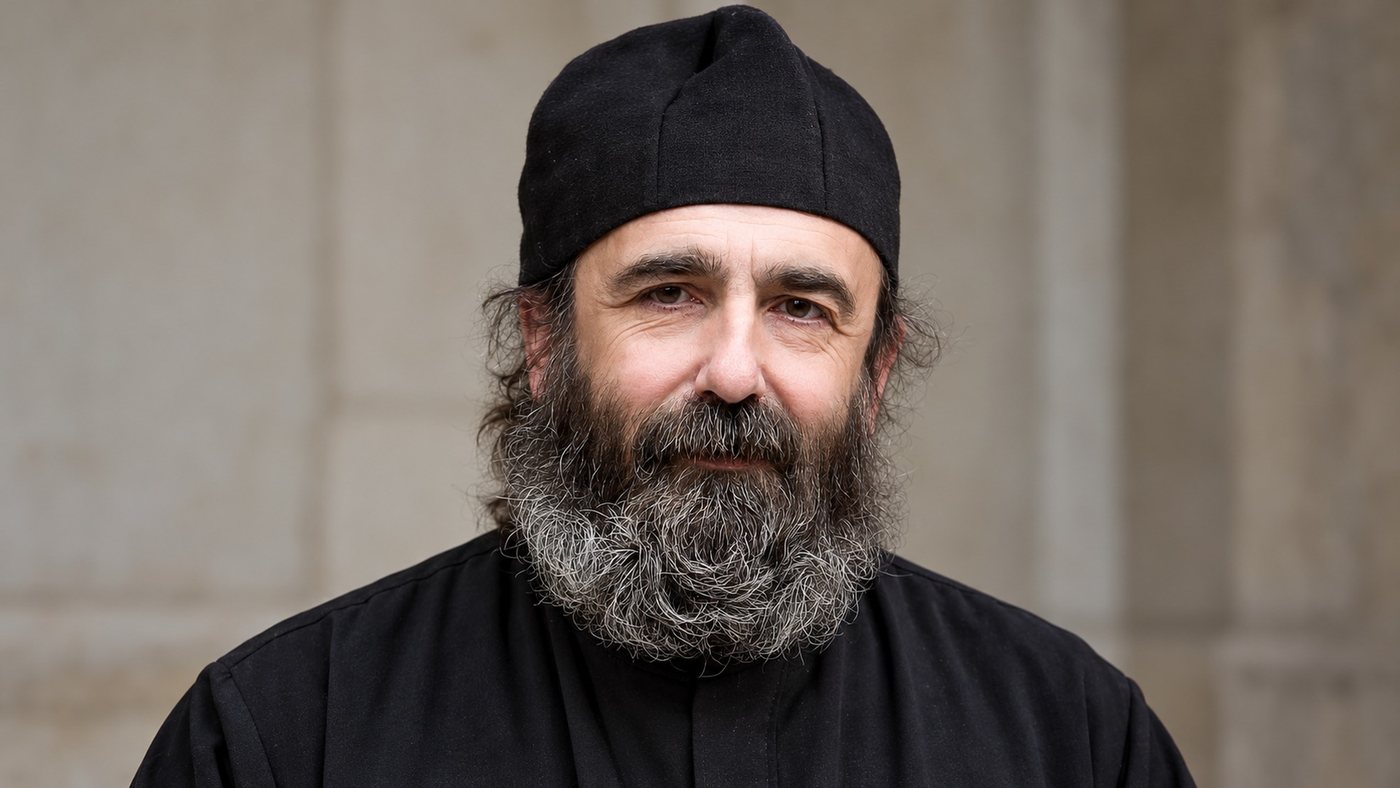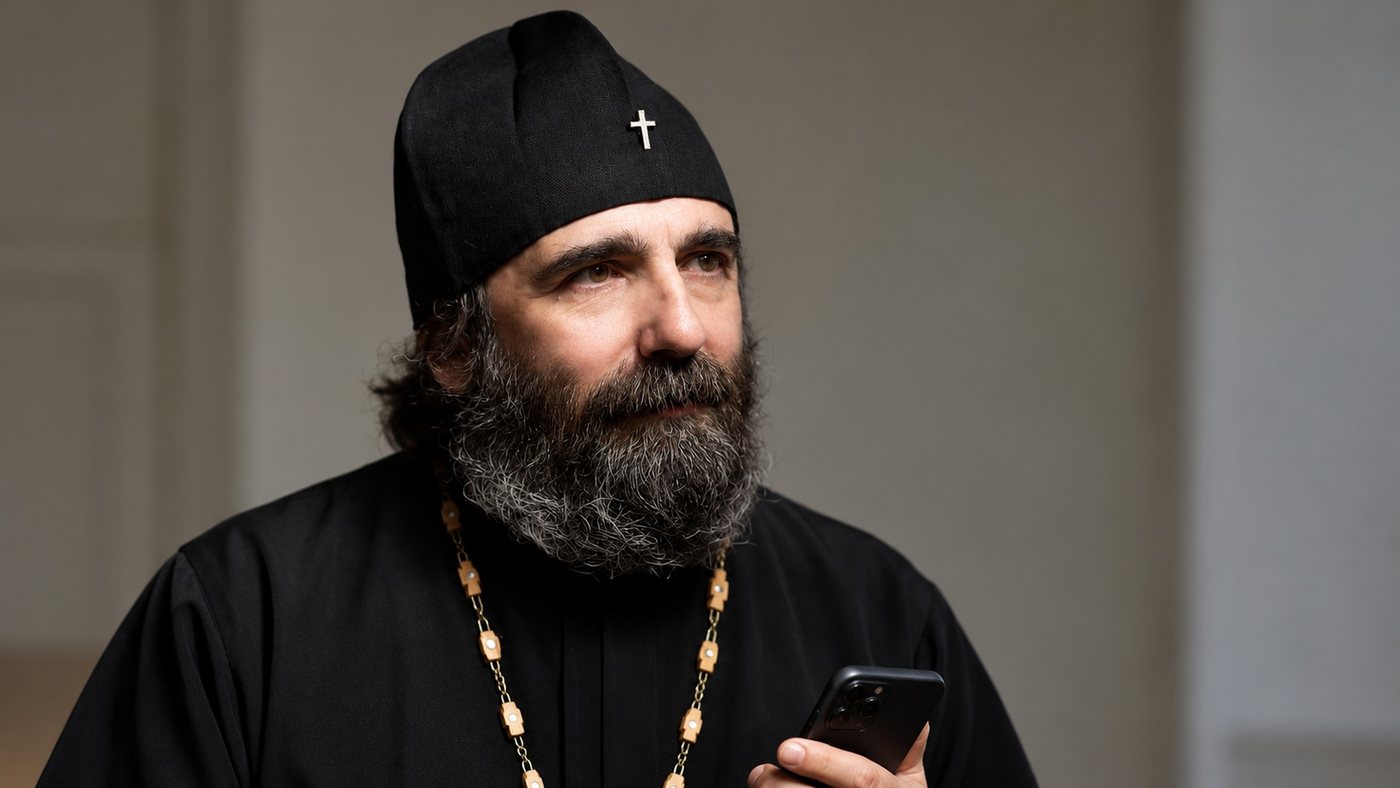
The formal pretext was a single repost in a messaging app. According to the court, in November 2022 the priest forwarded a message from the channel "Apostolic Orthodox Church," which contained a link to the YouTube channel of "Novaya Gazeta Europe." Later, the activities of that publication were recognized as undesirable on the territory of Russia, and it was this status that became the basis for the charge.
Article 20.33 of the Code of Administrative Offenses concerns participation in the activities of an organization recognized as undesirable in the country. For Russian law such a case is not rare, but here a question of timing arose. The link appeared in the channel before the publication received its status, which means that at the moment of publication no prohibitions existed.
Almost four years passed between the publication and the fine. The defense and human rights advocates pointed precisely to this gap: a person was punished for something that was not prohibited at the time of publication. The court approached the case differently and issued a decision in which the court's press service formulated its position directly:
"Thus the foreign agent Mikhnov-Vaitenko took part in the activities of this organization."
The word "foreign agent" in this formulation also requires explanation. The status is assigned under the law on control over the activities of persons under foreign influence and means an obligation to accompany publications with a special label and to report to the state. For a priest who delivers sermons and publishes materials in messaging apps, such a status quickly turns into constant legal pressure, because any careless action can become grounds for a new case.
A chain of cases
In its article, RBC recalled the entire sequence of cases into which the new fine now fits. The first detention occurred before the memorial service for Navalny in February 2024. A memorial service is an Orthodox funeral rite, and for a priest participation in it against the backdrop of political events became the reason for action by law enforcement. The detention case was closed due to the statute of limitations in July.
Mikhnov-Vaitenko was designated a foreign agent as of July 19, 2024. A few months later, in April 2025, a court imposed a 30,000 ruble fine on him for an anti-war video. The new decision on the repost became the third in this series, and each of them concerned public statements rather than church activity in the narrow sense.
Such dynamics are characteristic of how in recent years the state has dealt with public figures who have an audience beyond their parishes. The internet and messaging apps allow clergy to spread ideas quickly, but the same tools make any action visible to law enforcement. A repost that in 2022 looked like an ordinary gesture becomes, four years later, an independent administrative offense.
Church context
Mikhnov-Vaitenko serves in the Apostolic Orthodox Church, which exists outside the structures of the Russian Orthodox Church. The question of the independence of such a church in the Orthodox tradition is resolved through autocephaly, that is, recognition of church independence by other local churches. For a priest from such a structure, legal pressure means an additional break with the familiar church environment, where political questions are usually discussed more cautiously.
It is important not to confuse his personal position with the position of the entire church. The case materials concern specific publications, not dogmatic disagreements. The court considered a repost from a channel that itself was linked to a link to a publication recognized as undesirable, and it was this connection that became the subject of judicial assessment.
According to his Telegram channel, the archbishop remains in Russia.
1