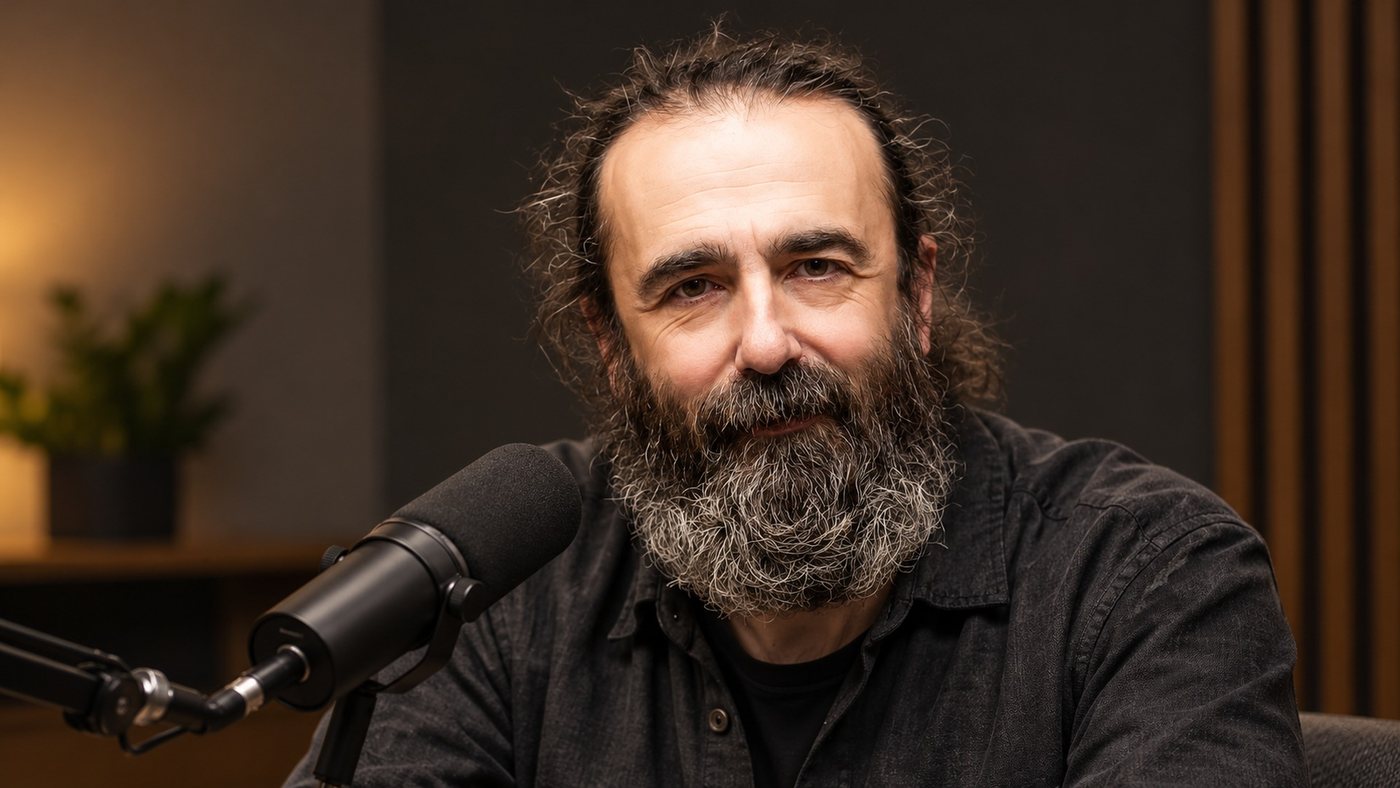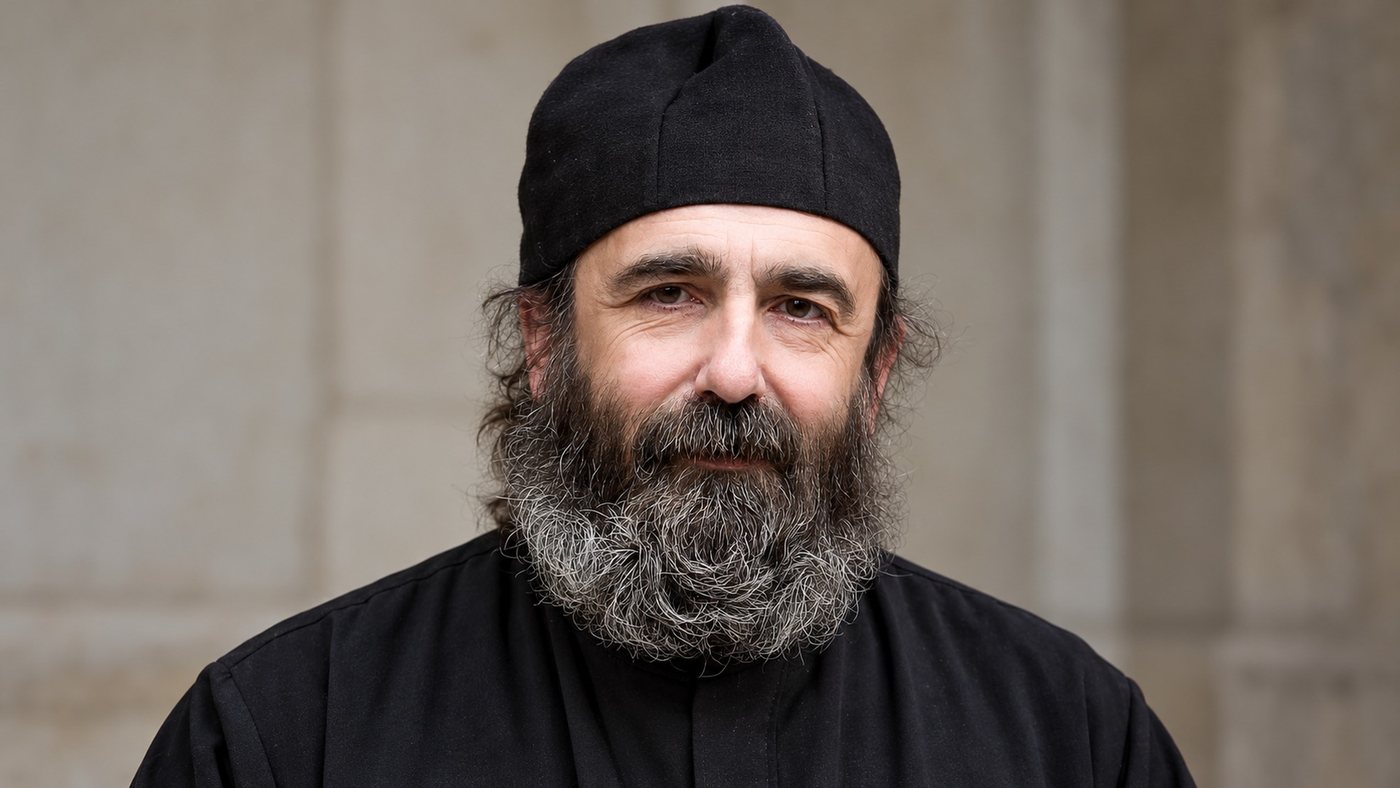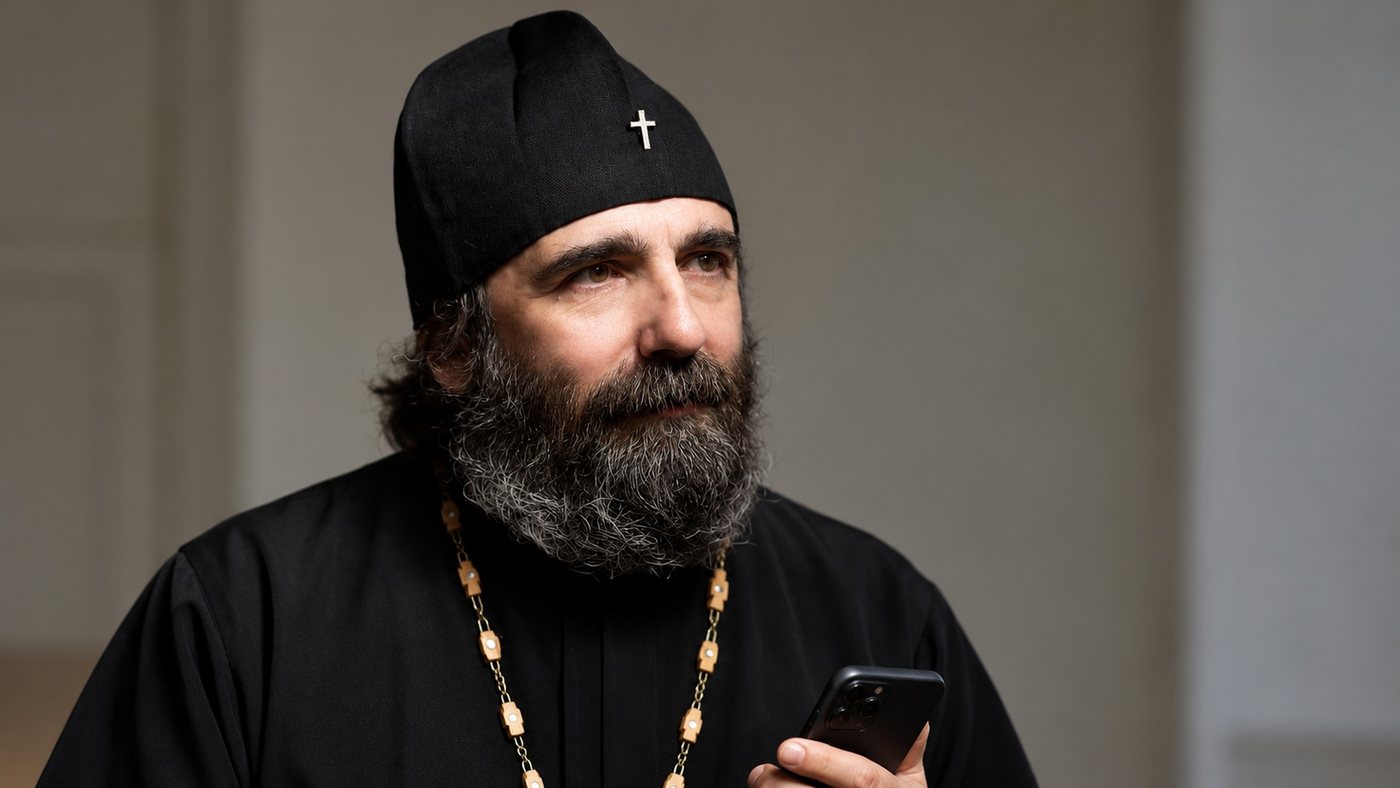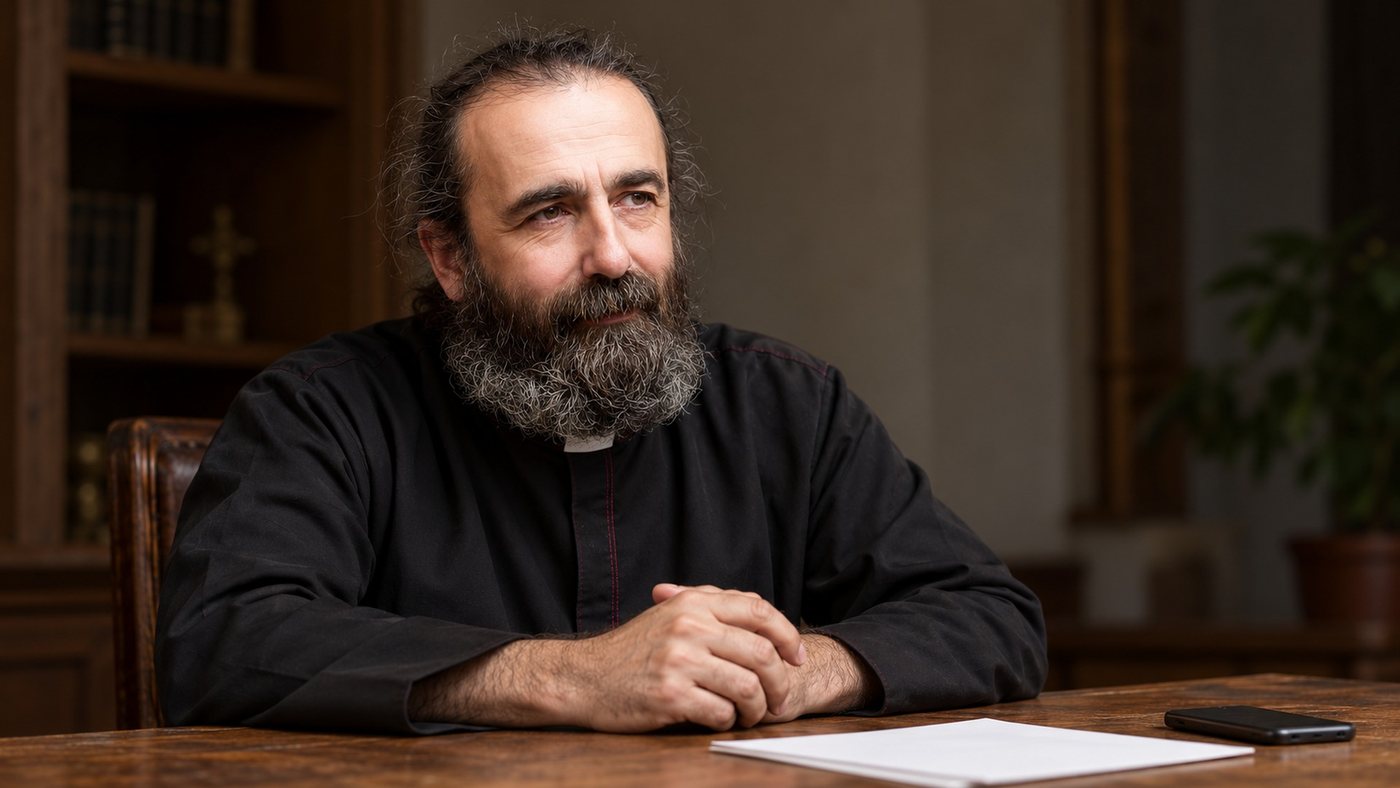
According to SOVA, the trigger was a November 2022 repost of a link to the YouTube channel of Novaya Gazeta Europe. The outlet, founded by Novaya Gazeta journalists outside Russia, was designated undesirable in June 2023—roughly nine months after the link was published. The center relied on the case file and a report from the Telegram channel Slovo Zashchite. That time gap became central to the dispute over whether a repost can be considered participation in the activities of an organization that was later given undesirable status.
How Article 20.33 Works
Article 20.33 of the Administrative Code establishes liability for participation in the activities of an undesirable organization. Such status is assigned by the Prosecutor General's Office, and from the moment of designation the organization enters a separate legal regime. Restrictions cover not only membership and work within the structure but also the dissemination of its materials, so the line between an ordinary forwarded link and participation in activities is blurred. For an ordinary social media user, this means that an action taken before the designation can result in an administrative case months later.
In parallel, Mikhnov-Vaitenko has his own history with the foreign agents registry. Foreign agent status requires mandatory disclosure in publications, and that is why in February 2025 a case arose over his failure to identify himself as a foreign agent. According to SOVA's chronicle, the priest was added to the registry in July 2024, the same month that the case over his detention was closed due to the statute of limitations.
Chronicle According to SOVA
By the center's count, the persecution of the priest unfolded step by step. In February 2024, he was detained before a memorial service for Alexei Navalny. In July 2024, the case was closed due to the statute of limitations, and he was placed on the foreign agents registry. In February 2025, a case was opened for failure to report foreign agent status. In April 2025, he was fined 30,000 rubles for an anti-war video. In May 2025, a regional court overturned a fine for reposting material from the outlet Bumaga. In June 2026, the prosecutor's office drew up a protocol in the case that ended in September with a 5,000-ruble fine.
Thus, from the detention in February 2024 to the verdict in September 2026, two and a half years passed, during which the archbishop figured in several administrative proceedings at once. Some ended in termination or overturned decisions; others, as in the current case, resulted in a penalty.
What Is Known About the Ruling
The decision was issued at first instance.
This wording from SOVA's material defines the current status of the case. Whether the ruling has entered into force and whether it will be appealed was not known at the time of publication. If the defense files an appeal, it will be heard by a higher court, and only then will it become clear whether the ruling maintains the same legal assessment of the link repost. The precedent from May 2025, when a regional court overturned a fine for reposting Bumaga, shows that such decisions are subject to review.
1