As Blagovest-info reported, Granat Press had already published separately The Apostolic Epistles in Biblical Translations by Andrey Desnitsky. The presentation of the new edition was attended by the translator himself and his fellow biblical scholars.
According to the publisher's annotation, the translation, on the one hand, preserves continuity with tradition, especially in terminology, and on the other, strives to convey in contemporary Russian the dynamism, rhetorical richness, and stylistic diversity of the original. The translator's main principle is not to copy Greek syntax but to find constructions in current Russian suitable for conveying the thought and style of the original.
How the Work Progressed
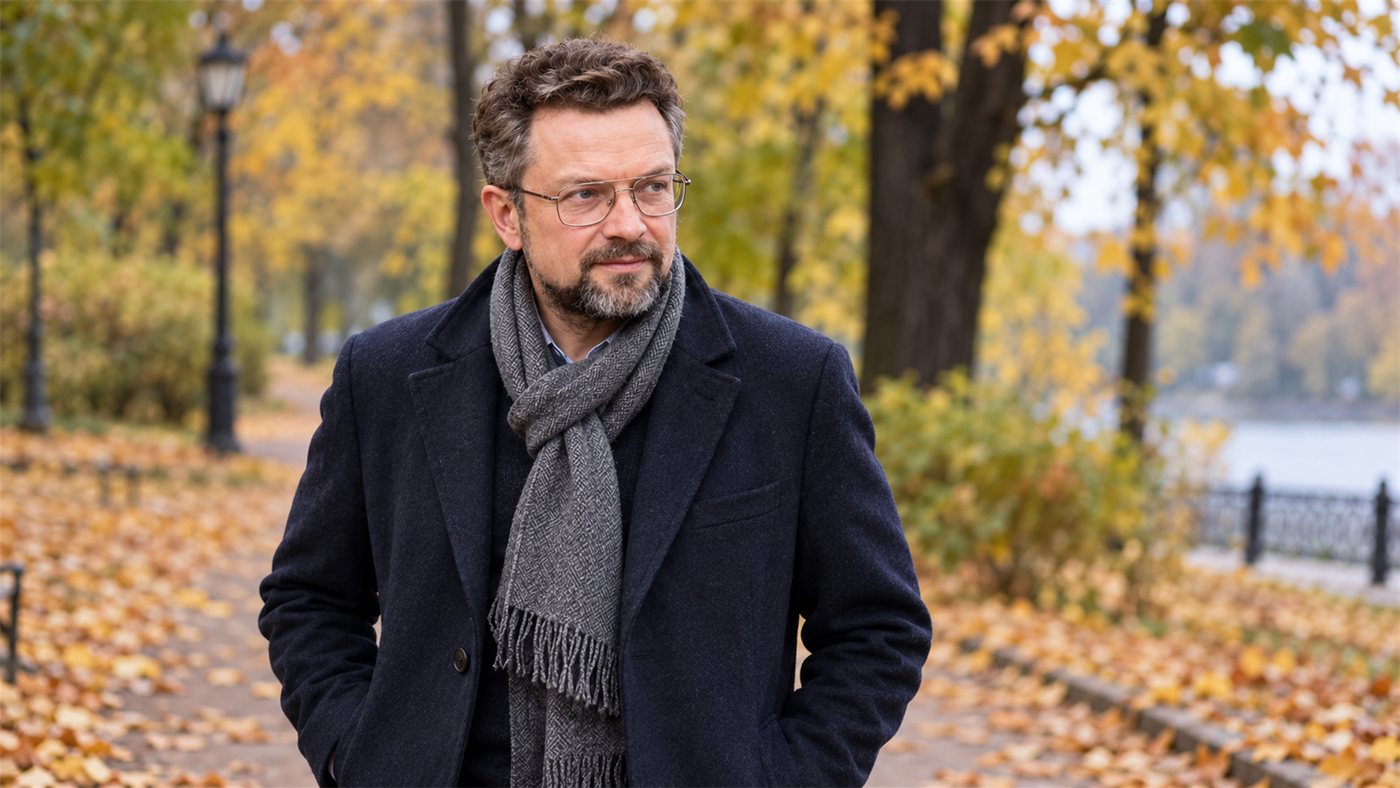
Desnitsky, speaking via video link, recounted how he gradually approached translations of biblical texts. For many years working at the Institute for Bible Translation in Moscow, he consulted groups translating into the languages of the peoples of Russia, most often Turkic. In the process it became obvious that with literal translation the meaning slips away and logic is disrupted. It was necessary not only to select terms and arrange words in grammatically correct order but also to convey the rhetorical and literary structure of the text, to find expressive means in the target language. As a result, according to him, it turned out that to convey these thoughts correctly the texts needed to be completely restructured, that is, translated anew. Thus Desnitsky decided and began translating independently in 2014, while a staff member at the Institute of Oriental Studies of the Russian Academy of Sciences.
One example of such restructuring is «blessed» in the Beatitudes (Matthew 5:3–11), which he translates as «good for those who…». Desnitsky explains that the point is not to necessarily find an adjective but that «these people find themselves, unexpectedly for themselves and others, in a better position than it appears. This is not a description of how a person feels good in this position (he is weeping, persecuted, hungry, etc.), but a prophecy about his place in this world, he has taken a good place, even if we do not see it now». In rejecting «blessed», one must consider another connotation in Russian, where the blessed are called strange people, «holy fools».
Colleagues' Assessments
Speaking with respect but also critically about other modern translations, Desnitsky noted that in such work it sometimes happens that «the translator's voice is heard louder than the author's». Desnitsky's colleague and editor, biblical scholar and translator Evgenia Smagina, asserts that this is not at all characteristic of Desnitsky, who «respects the original first and himself second», and in his translations «depth and precision of scholarly knowledge are combined with undoubted literary talent».
Biblical scholar and translator, Doctor of Philology Mikhail Seleznev discussed how approaches to biblical translations have changed. Since about the mid-20th century, it was believed that every nation should have its own national Bible («one nation, one state, one translation»). The idea of the Russian Synodal Translation in the mid-19th century was formed in line with this paradigm. According to the speaker, it «occupies the place of such a national translation for us—authorized, unshakable, monolithic, before which one can only stand at attention». Over time, with changes in language, the discovery of new manuscripts and commentaries on them, and most importantly a new understanding of the place of the biblical text in cultural and religious tradition, an approach emerged that takes into account the significance of Scripture as «a living witness of history»: «Not to stand at attention, but to conduct some kind of dialogue with our roots and history».
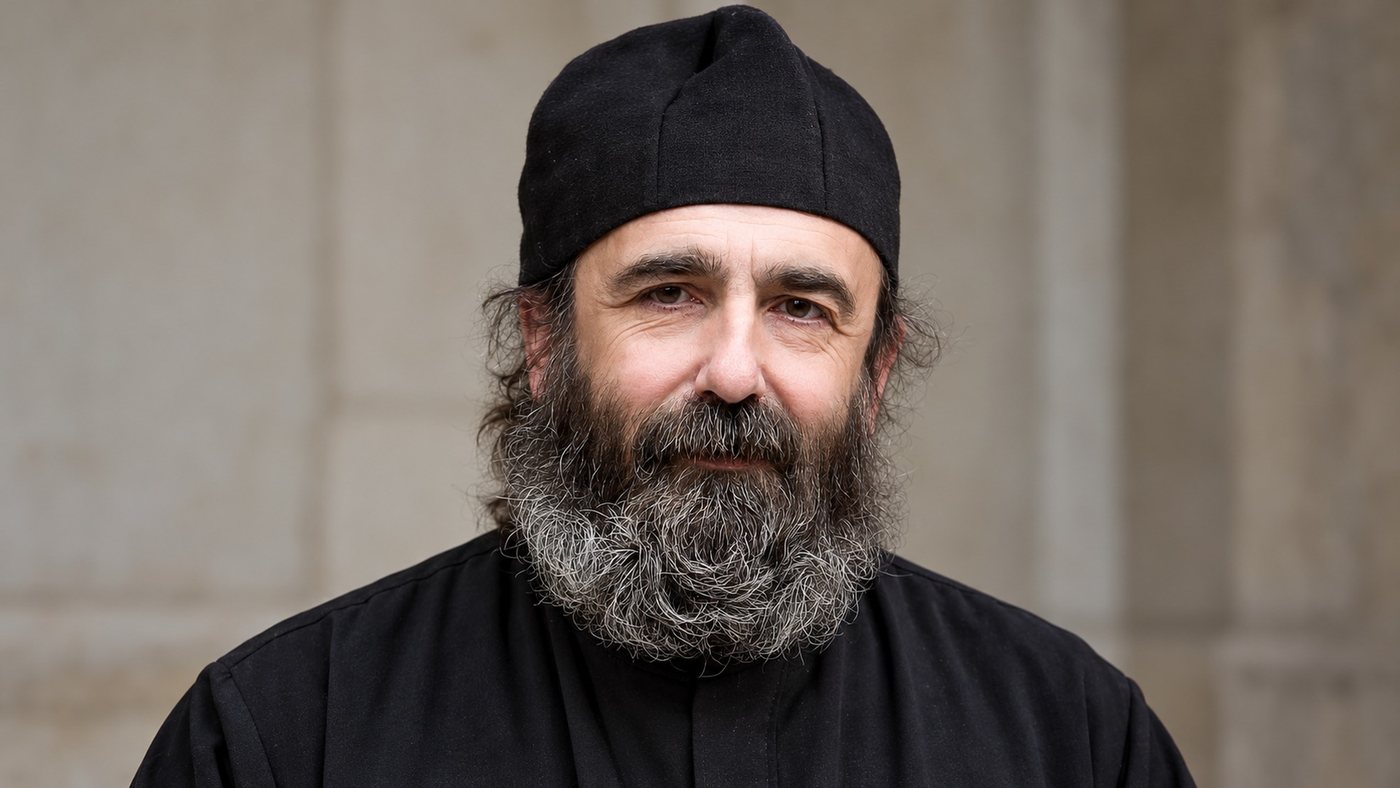
Priest Grigory Geronimus considers the appearance of the New Testament in Desnitsky's translation a major event not only in philology and biblical studies but also in church life. He calls the New Testament «the heart of our church Tradition with a capital T» and says that «not everyone will dare approach this heart, and moreover, like a surgeon, perform certain manipulations—this requires special courage, sensitivity, delicacy, and enormous knowledge, high professionalism». «The fear of touching the sacred text is quite justified, but this must be done—the life of the Russian Church and Russian culture would be different if there were no Synodal Translation. And now there should not be just one, there should be many translations, in order to bring the Word of God to every audience», he said, noting that the apostolic epistles at the liturgy in his churches are read in new translations, including those of Desnitsky and Seleznev.
Philosopher Mikhail Epstein, as reported by Blagovest-info, wrote: «For the Russian reader this translation opens new horizons in understanding the biblical message, allowing one to feel its power and urgency in the context of modern life». Poet and translator Olga Sedakova notes in Desnitsky's translation «a new sound, a new rhythm, a new energy of the New Testament texts». At the presentation the author was asked many questions, testifying to a careful reading of Scripture in various translations. Andrey Desnitsky has posted his translations on a website.
1