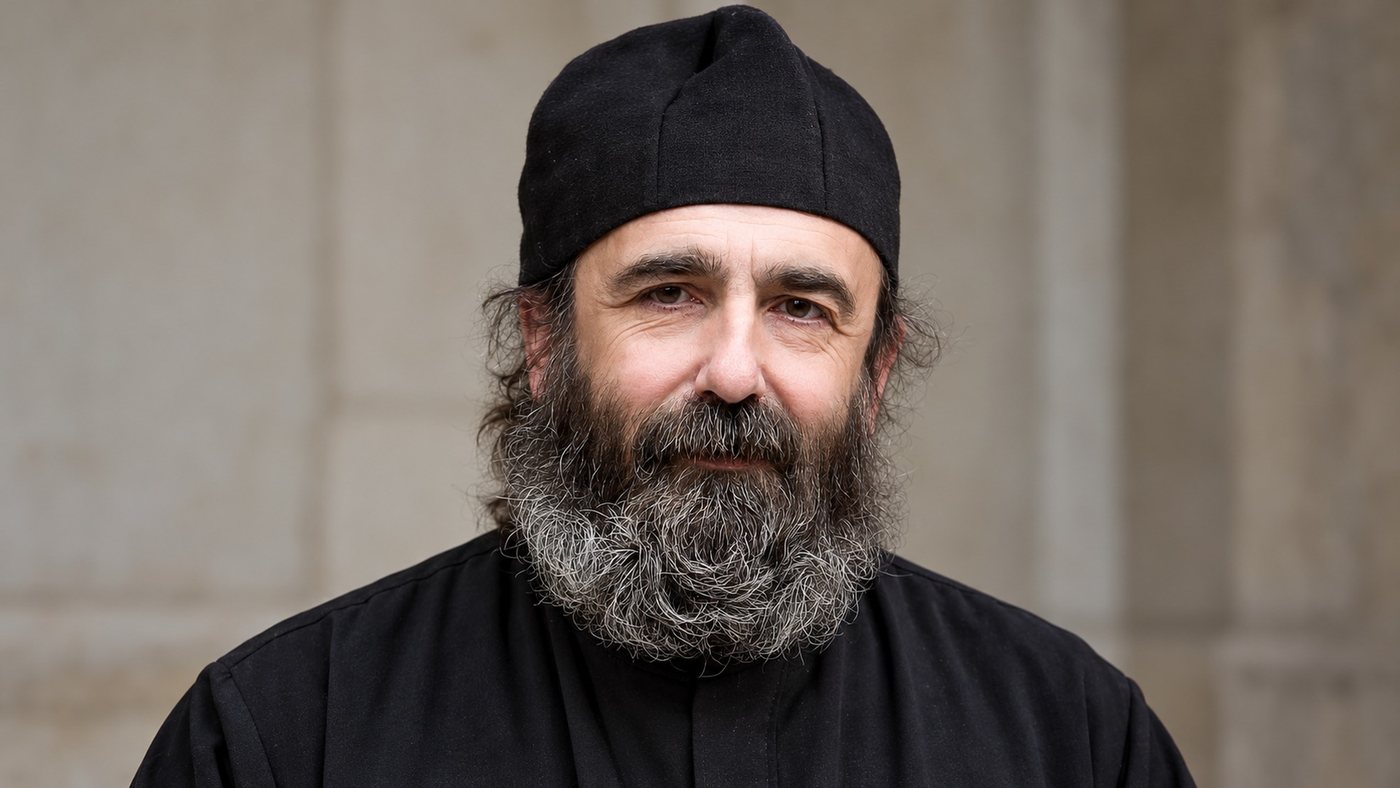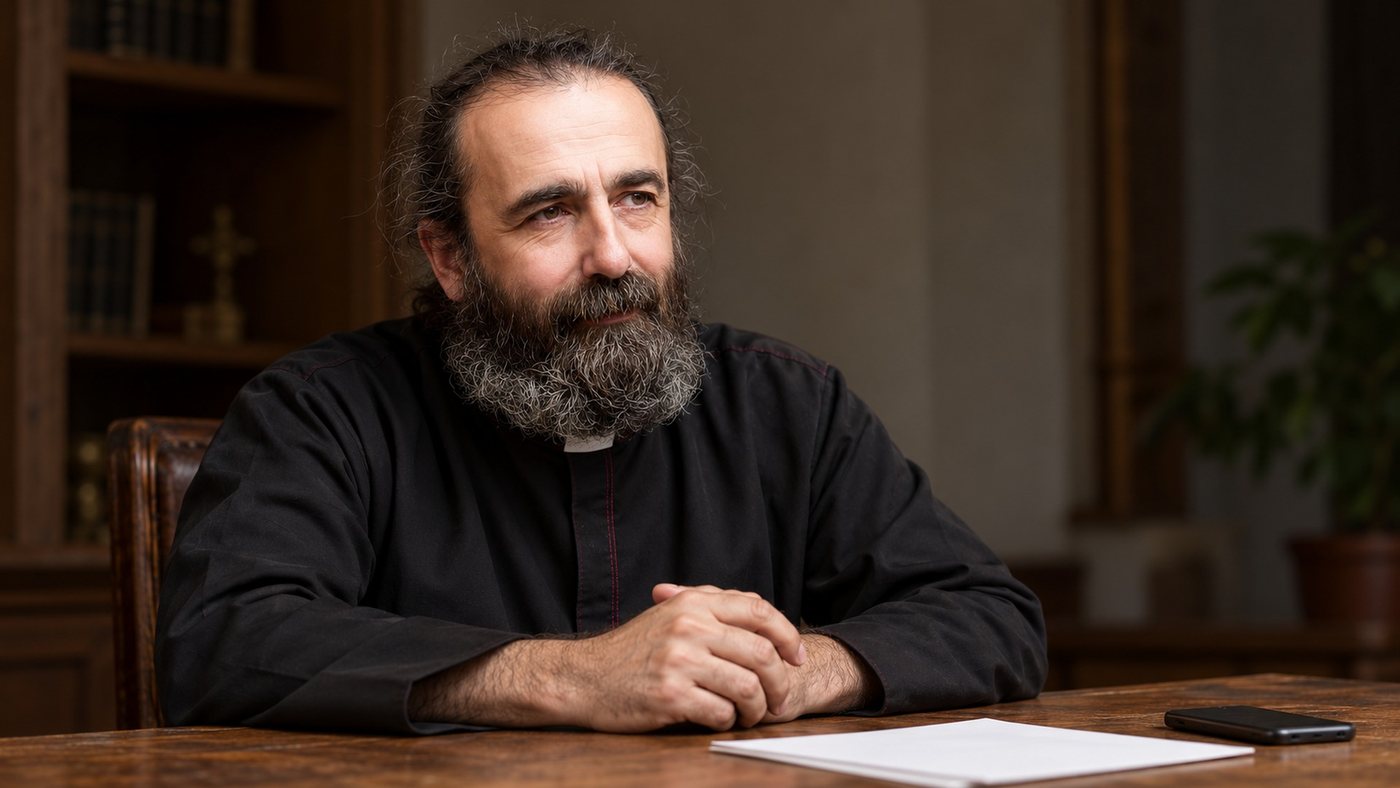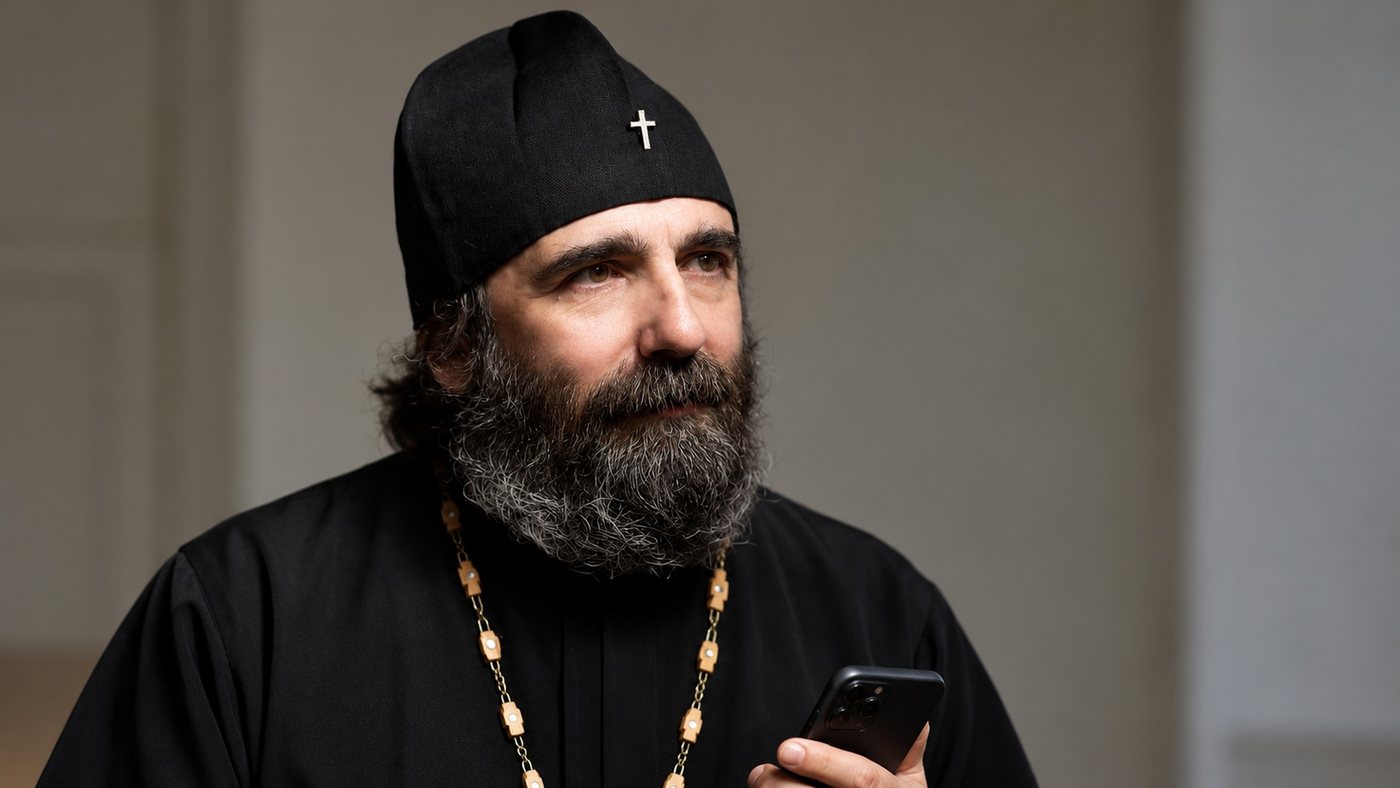
According to Desnitsky, in October 2018 he received more requests for interviews and comments than in his entire previous life. Publications and private individuals, he writes, tried to understand what was happening between Moscow and Constantinople and what to expect next; they also asked whether the Greeks would bring the Holy Fire at Christmas.
The author summarises the essence of the dispute briefly: it is a question of whom Orthodox believers in Ukraine should obey, and more deeply, of how Orthodoxy should be organised in the 21st century and who determines its future.
Schism and primacy
Desnitsky recalls: after the collapse of the USSR, part of the Ukrainian Orthodox separated from the Moscow Patriarchate and formed the Ukrainian Orthodox Church of the Kyiv Patriarchate, which was not recognised by the other Orthodox churches. From the point of view of Moscow and other local churches, the canonical structures remained those subordinate to Moscow — the Ukrainian Orthodox Church of the Moscow Patriarchate, which was self-governing and only formally lacked independence. This state of schism, he says, has lasted more than a quarter of a century.
The turning point, the author believes, is linked to 2014: for Ukrainian politicians and many citizens, the existence of structures directly subordinate to Moscow became intolerable, and they turned to the Patriarch of Constantinople — the “first among equals”. Primacy, however, is understood differently: as the right to decide and judge (the position of Constantinople) or as an honorary first place in the list of local churches (the position of Moscow).
After a long diplomatic struggle invisible to the outside world, Constantinople, as Desnitsky describes it, revoked its 17th-century consent by which it had transferred to Moscow the right to appoint a metropolitan in Kyiv under certain conditions. The condition, he writes, was not observed, and the revocation of consent came as a surprise to Moscow.
Vassals and canons
The author himself admits that he uses the word “suzerain” not from church vocabulary, but the situation cannot be called anything else: before him is a story about territories linked by vassal relations, where borders shift, some kingdoms rise and others decline. As a parallel, he cites the Duke of Burgundy, formally a vassal of the French king, who entered the Hundred Years' War on the side of his enemy.
The canons, in his assessment, do not describe the process of granting autocephaly at all: the boundaries of church jurisdictions are assumed to be established once and for all, which does not match historical experience. He calls the canons a set of precedents rather than a code of laws. Both sides, Desnitsky writes, are trying to return the situation to a past comfortable for each: Moscow to the era of Bohdan Khmelnytsky and Alexis Mikhailovich, Constantinople to the era of Byzantium's heyday.
He quotes Patriarch Kirill's words to Orthodox journalists: “This is not simply a struggle for jurisdiction, it is a struggle to destroy the only powerful Orthodox force in the world.”
The demand for the Middle Ages
According to Desnitsky's observation, the popular fantasy worlds of the 21st century — The Lord of the Rings, Game of Thrones, the world of Harry Potter — depict an idealised Middle Ages with noble knights, fair ladies and eternal Evil. The Middle Ages, he concludes, are missed not only by the country's leadership but also by ordinary citizens who evaluate life in terms of a vassal contract; he cites the raising of the retirement age as an example of a suzerain violating such a contract.
They yearn, in his opinion, for a clear hierarchical structure of the world. He compares the Middle Ages to a common childhood: one can get stuck in it, one can play too long, but one cannot fail to remember it at all. The author invites discussion of the topic at a meeting at the Marabu camp in Burgundy.
1