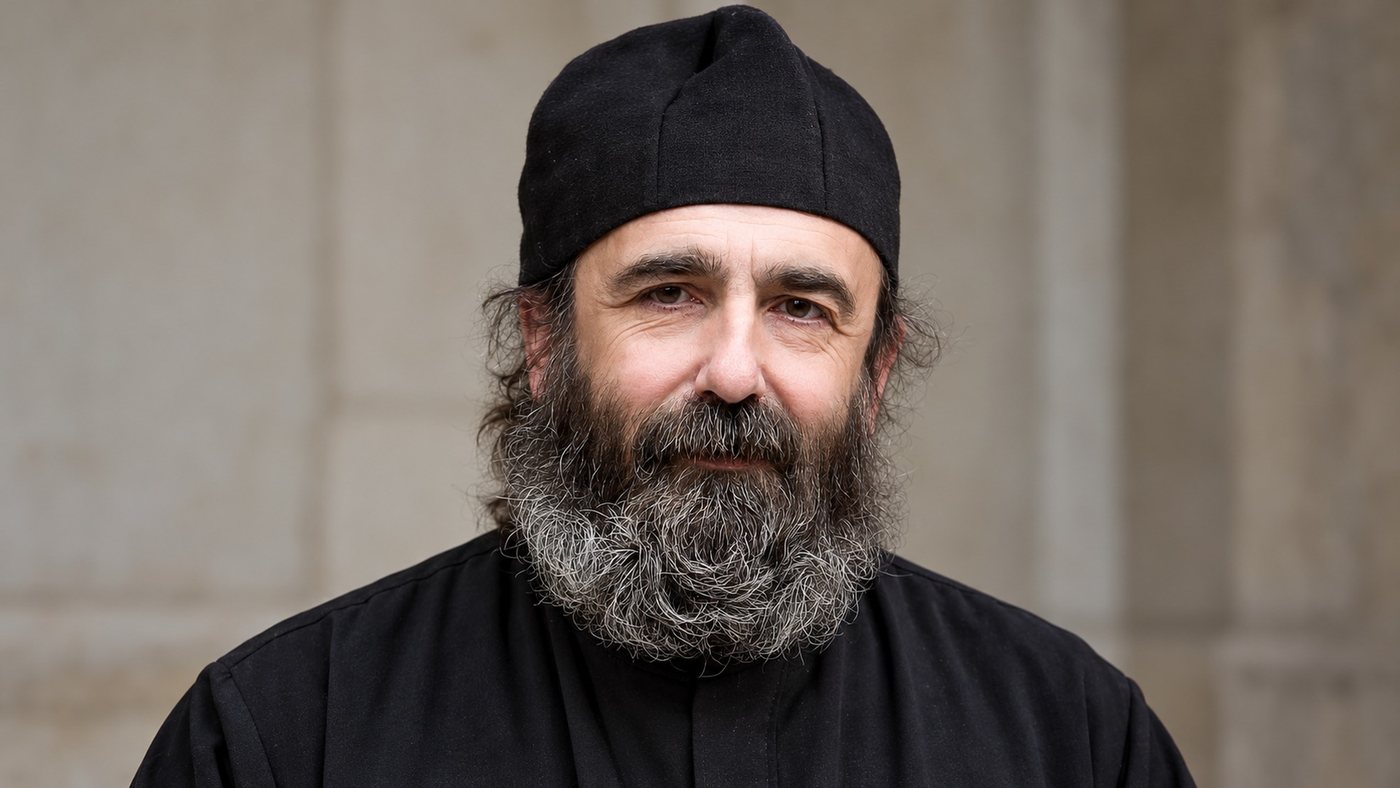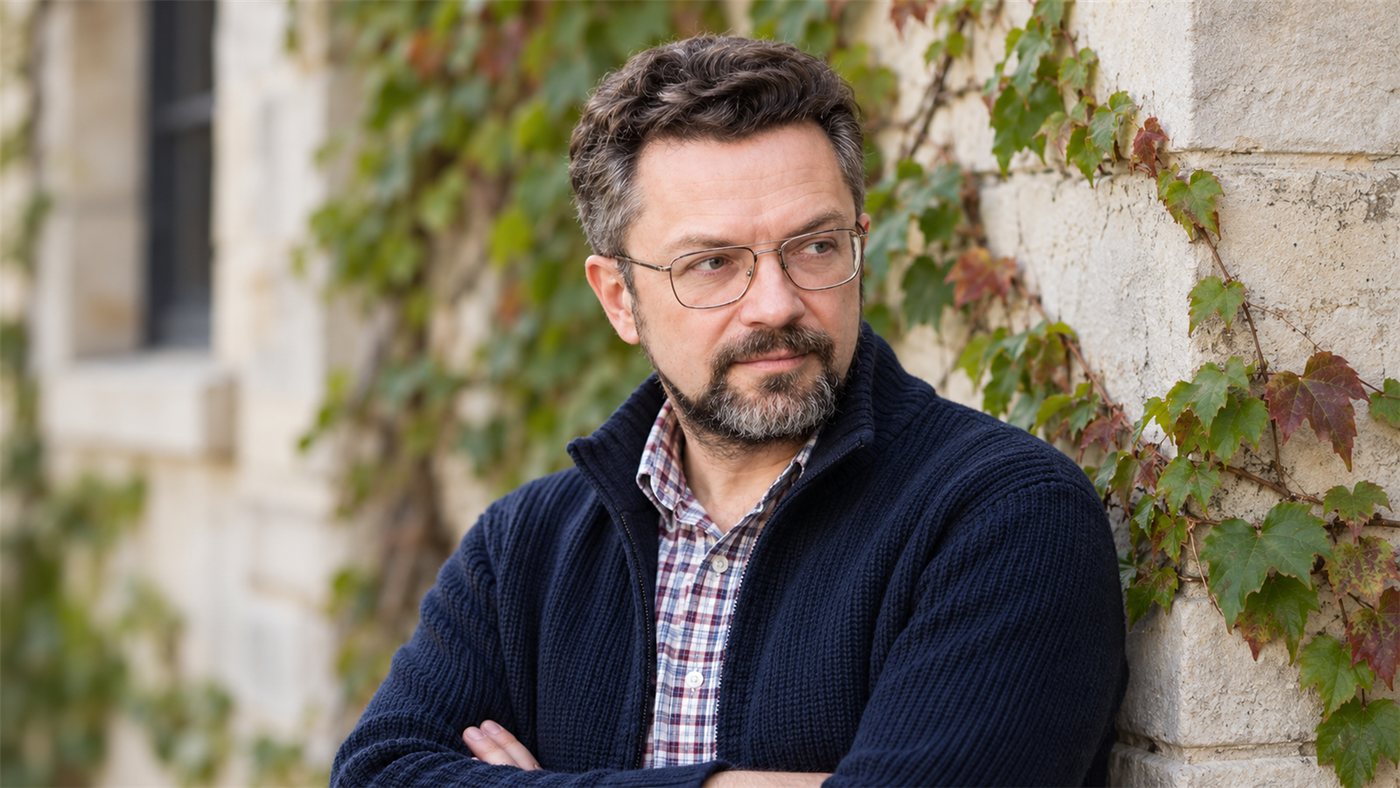
Desnitsky begins with an analogy: the period of first infatuation with the Church passes just like any infatuation, and disappointment and conflicts replace admiration. According to him, in church circles a person may encounter “genuine boorishness and careerism, or even worse: theft or sexual harassment, for instance.” No less traumatic, the author says, is the grey ordinariness when a priest is expected to be a saint but one meets an ordinary person with flaws.
At the same time, he notes, people are not troubled that artists or scientists turn out not to be angels: art and science, in his view, do not claim to represent ultimate reality, whereas the Church is expected to offer exhaustive fullness.
Two examples from the author’s circle
One of Desnitsky’s acquaintances, by his account, came to faith as a student in the 1990s and joined a community that had answers to literally every question: church attendance there was linked to support for autocratic monarchy and belief in the creation of the world in six calendar days. As a historian, he could not accept this “finished black-and-white picture”; after his first Great Lent, which he kept almost to the end, he took communion on Maundy Thursday, and upon coming home, according to the author, ate a meat lunch and settled into an ordinary non-church life. Later, Desnitsky notes, he defended a history dissertation on one of the books of the New Testament, discussing the text “in the language of modern scholarship, not of the Church Fathers.”
The second acquaintance grew up in an Orthodox family where fasts, feasts and services were taken for granted. At university he saw around him people who did not observe these rules, “live freely and quite happily,” and he stopped going to confession; he occasionally drops into church, respects Orthodoxy, but does not approach the priest.
A template instead of a place for the person
According to Desnitsky’s assessment, those who leave are mainly those who have not found their place in the Church: churching is often understood as changing external behaviour according to a strict template, and the problems of spiritual life are reduced to sorting through “permitted” and “forbidden.” He writes that clergy and parish activists, who have no psychological training, are also prone to such standardisation, and parish life is often oriented toward a particular psychological type. A person who has not found something to their liking will most likely leave the parish.
“One should not fear doubts and disappointments — they become a reason to reflect on what you yourself are seeking in the Church, what you want and expect from it.”
To those already in the Church, the author suggests reflecting on the existence of the problem of de-churching: according to him, churches often do not know what to do with newcomers, and there are no overall statistics on the number of parishioners and communicants. He allows that preaching should honestly warn about the imperfection of the church organism, and that a missionary or catechist should accompany people during their first months of church life. The article concludes with a call to discuss this problem calmly and judiciously: “The price of silence may be people’s souls.”
1