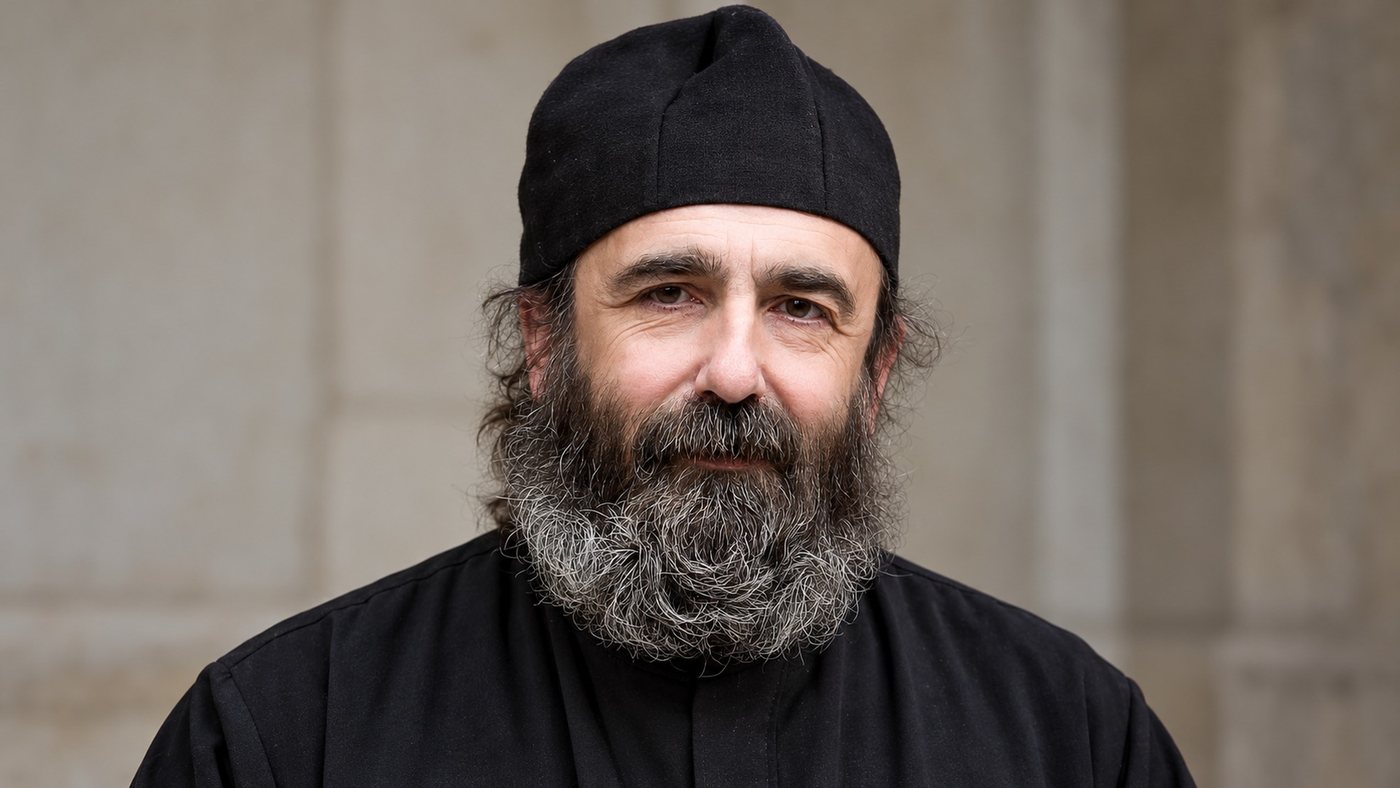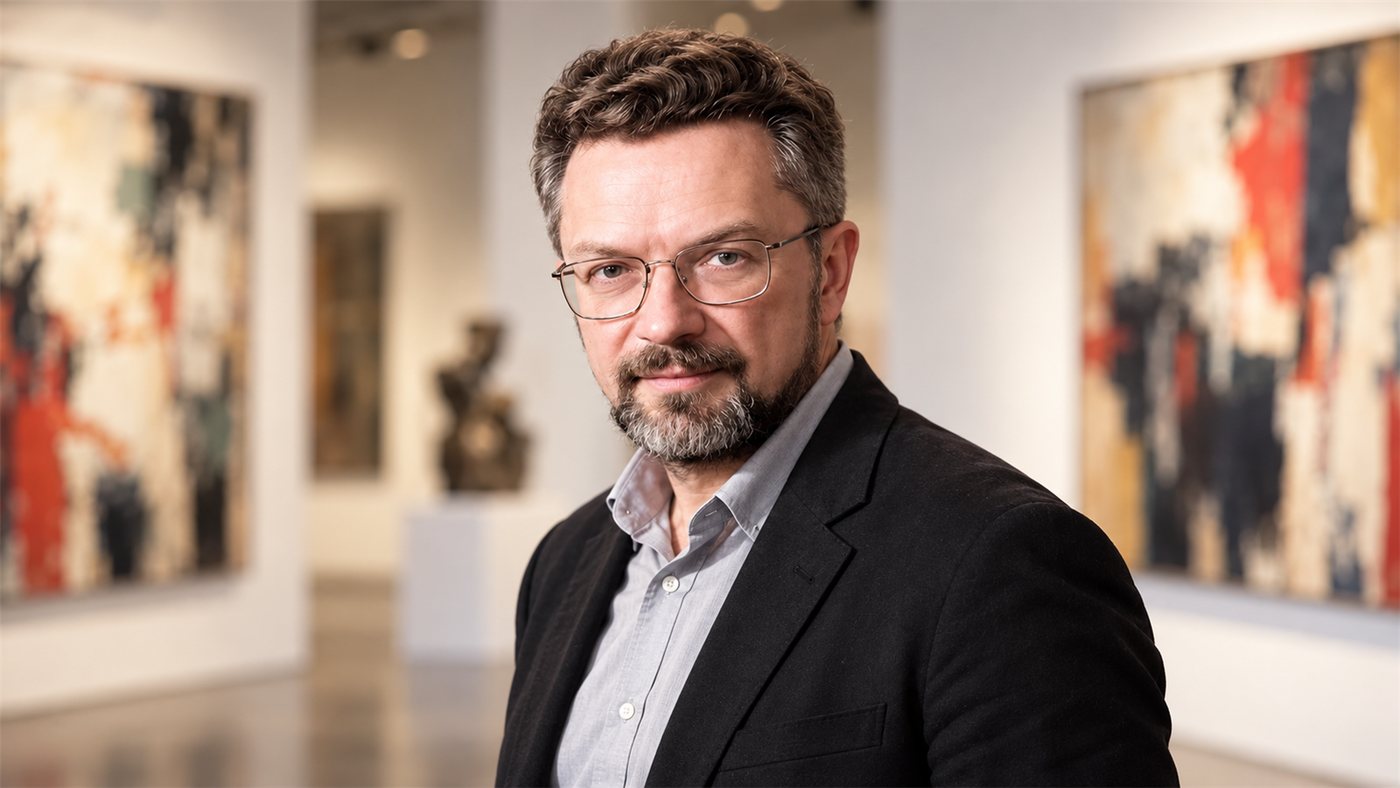
Andrei Sergeyevich Desnitsky is a Doctor of Philology, a leading research fellow at the Institute of Oriental Studies of the Russian Academy of Sciences, a consultant for the Institute for Bible Translation, a graduate of Moscow State University, and the author of books on biblical studies. In the lecture published by Pravmir, he proposed to clarify what exactly is meant by the problem of authorship in relation to the Bible.
The Polemical Context
According to Desnitsky, the topic is accompanied by “an enormous heat of passions.” As an example, he cited Bart Ehrman’s book Forged: on the English cover, by his description, the title and subtitle are presented academically, while in the Russian translation the book came out as The Great Deception with the subtitle A Scientific View of the Authorship of Sacred Texts. The lecturer noted that on the cover the words “lie,” “deception,” “forgery,” and “fib” form the shape of a cross. In his assessment, this shows that in the Russian-speaking milieu, biblical studies has remained locked in the confrontations of the 1920s.
Desnitsky warned his listeners that he would deliver two lectures: the first for those “whose feelings are prone to offense,” the second for those who would have to “use their heads.”
What Is Authorship?
The lecturer listed the situations that create the problem: the author may be unknown; a book may have multiple authors; the authorial text may have been edited; tradition may attribute a book to a person who was hardly its author; the text itself may point to someone who was not the author. He named as the main question whether God and man are co-authors of the book—and remarked that it “has in fact still not been resolved by anyone.”
For comparison, Desnitsky gave examples from everyday life and literature: handwriting analysis of a signature in court; War and Peace, which Sofya Andreyevna Tolstaya copied out; disputes over whether Sholokhov wrote And Quiet Flows the Don, and over whether Shakespeare wrote the works attributed to him. He dwelt separately on translations: a translation, from the standpoint of modern copyright, has two authors—the author of the original and the author of the translation. Another case is an official speech prepared by speechwriters, which the person delivering it “authorizes.”
The difficulty with biblical texts, he said, is that authenticity can only be verified on the basis of the text itself: “No court would undertake to compare a receipt with the receipt itself.”
The Old and New Testaments
Desnitsky noted that in the Old Testament the authorship of most books is simply unknown, and the dating is often approximate—the spread for some books reaches several centuries. In the New Testament books, by contrast, the author either speaks of himself or has a vividly individual style.
As examples, he analyzed four Old Testament books. The Book of Proverbs begins with the words “The proverbs of Solomon, son of David, king of Israel,” but further on it itself points to “other words of the wise,” and in the 25th chapter to proverbs “preserved by the men of Hezekiah, king of Judah.” Between Solomon and Hezekiah, by his estimate, there are more than two centuries. The thirtieth chapter begins with the words of Agur, son of Jakeh, the Massaite; the 31st with the words of Lemuel, king of the Massaites. “Nevertheless the book is called the Proverbs of Solomon,” the lecturer remarked.
A similar example is the Psalter of David, where even before the middle of the text it is said: “Here end the psalms of David,” and further on come psalms that David could not have written, for example “By the rivers of Babylon.”
1