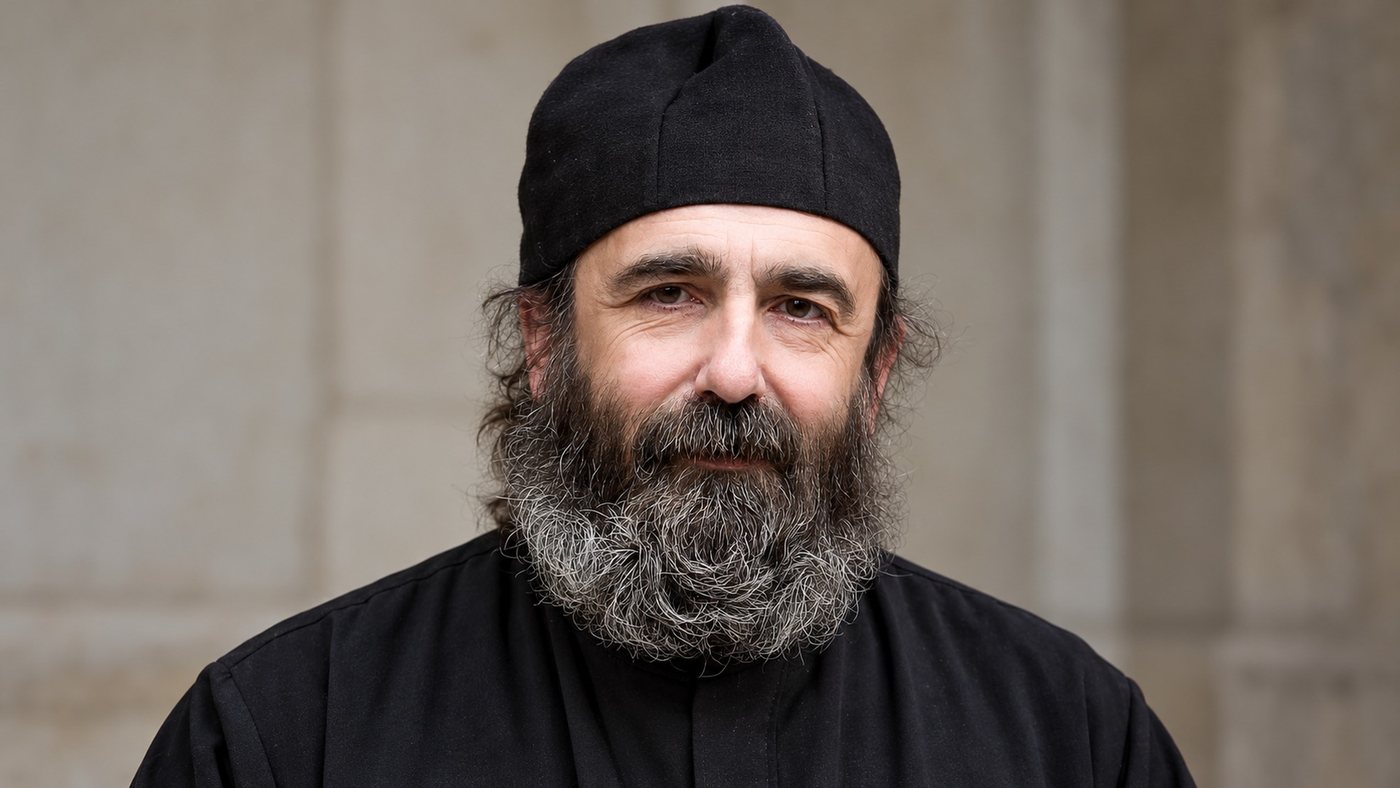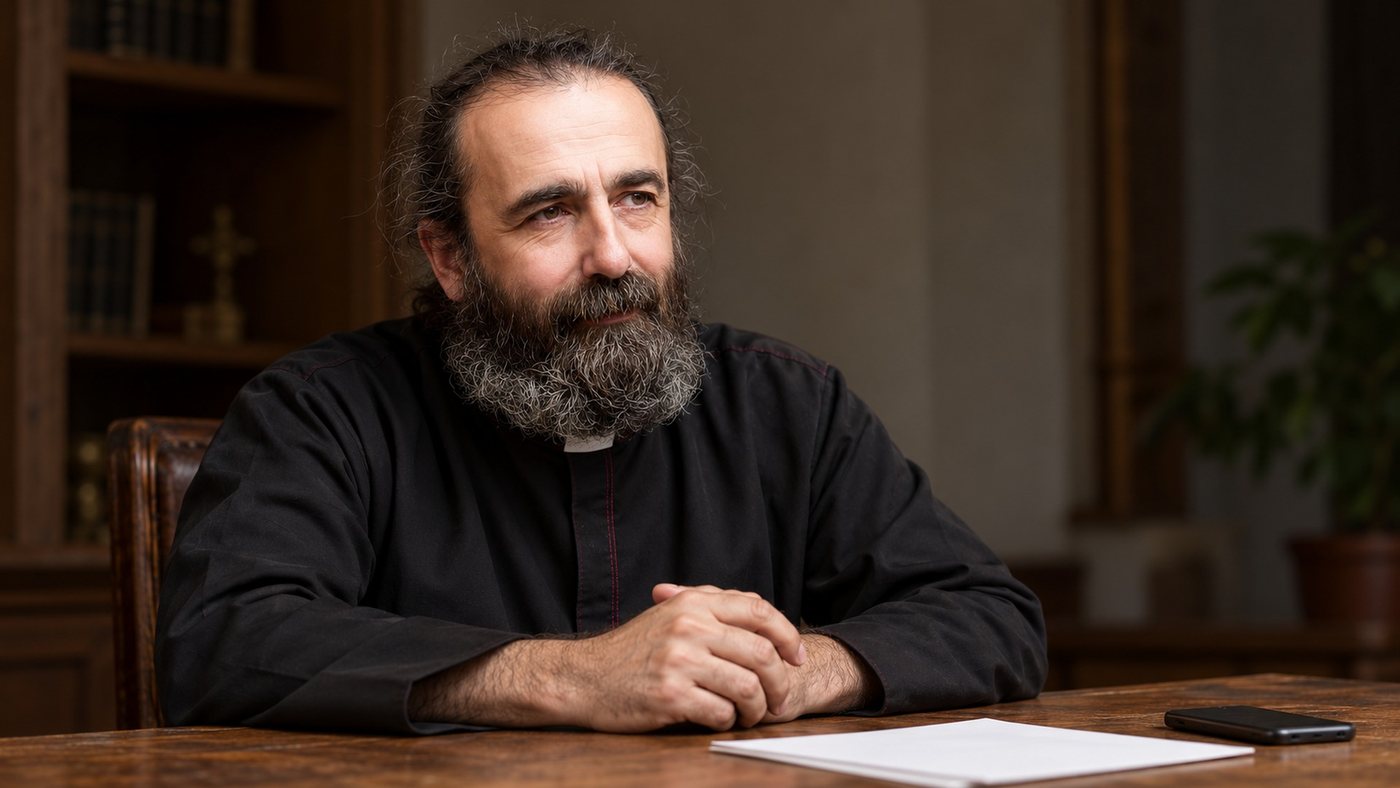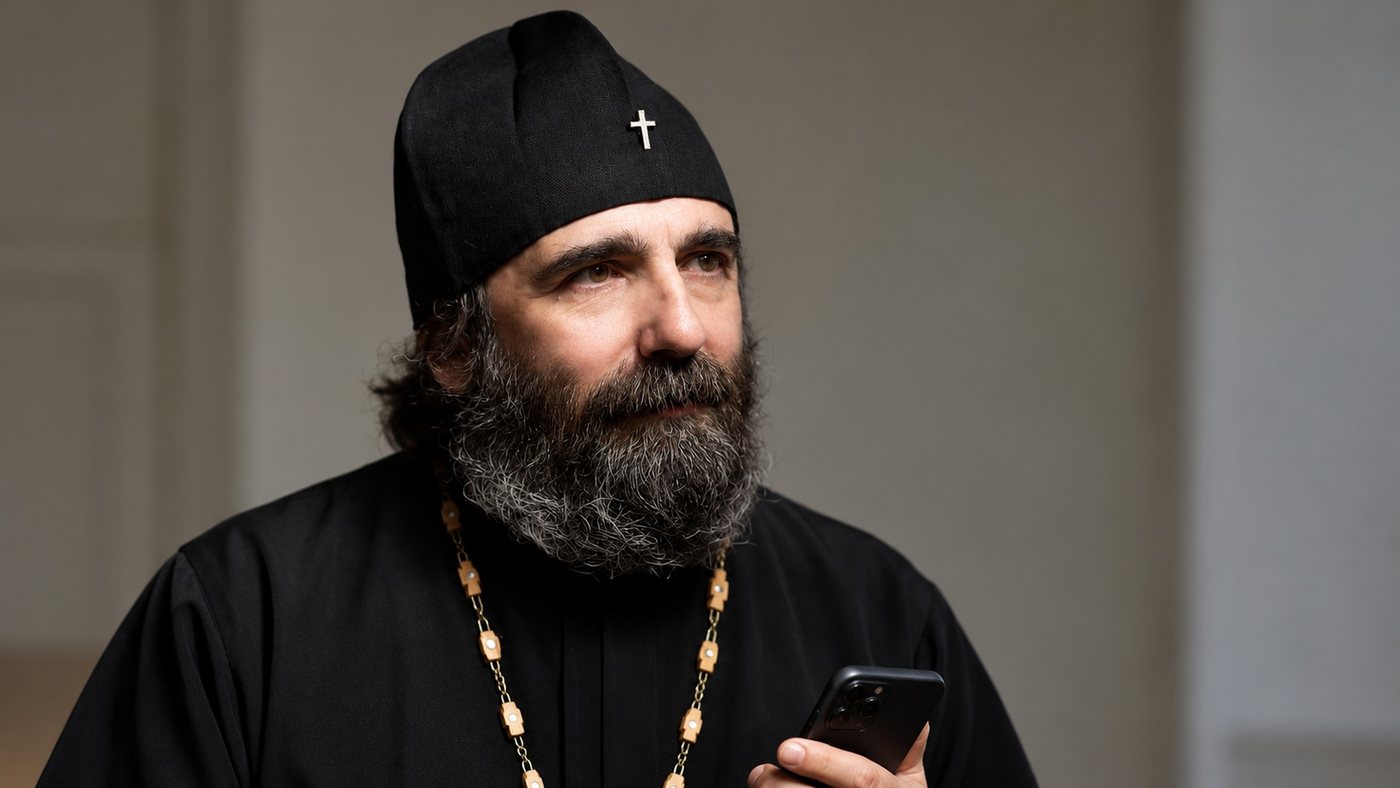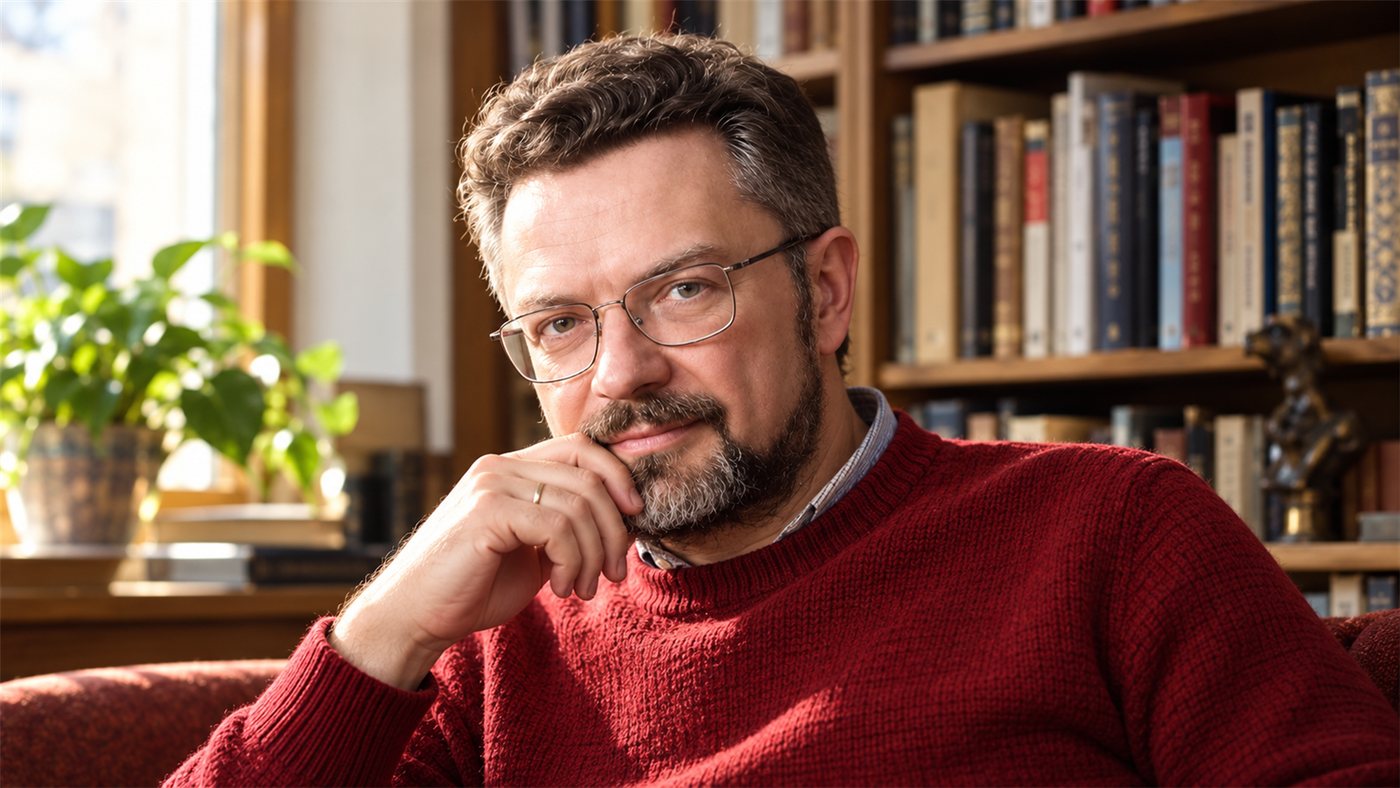
On air, Yakov Krotov introduced his guest as a Bible translator, biblical scholar and Orthodox publicist. The host's very first question—whether the Bible threatens science and science the Bible—Desnitsky addressed through a comparison with diving, which, he said, he is somewhat fond of.
“Does a scuba diver threaten underwater fauna? Does the fauna threaten the scuba diver? Yes and no,” he said.
By his explanation, the scuba diver is science: a person who has specially trained, received certification and dived into a place where everything was fine without him. The Bible in this analogy is the underwater world, existing independently. The danger, according to Desnitsky, arises if one behaves carelessly: coral reefs are sensitive, and suffer when there are many careless dives.
On biblical scholars and their discipline
Krotov remarked that he could not recall divers destroying ecological systems, and suggested that there are more scuba divers in the world than biblical scholars. Desnitsky objected: in his estimation, there are far more biblical scholars. He said that in the West, many universities have theology faculties with departments of biblical studies, and several dozen journals in this discipline are published.
Answering a question about whether a separate Israeli school of biblical studies exists, Desnitsky said that such traditions do exist, but as a science biblical studies is unified: “there is no separate Israeli biblical studies, just as there is no separate Dutch or American one.” He named English and German as the languages of modern biblical studies, placing modern Hebrew in fifth or sixth place.
The host recalled the “monkey trial” in the United States, where supporters of the biblical creation account demanded that it be taught in schools on a par with the theory of evolution. In response, Desnitsky mentioned that he had been surprised to learn of a recent rally against the theory of evolution in Moscow: what struck him was the very combination—a rally against a theory.
The danger of biblical studies for a believer
Desnitsky called biblical studies a rather dangerous discipline and cited Bart Ehrman's book Forged, which begins with the author's personal story. According to his retelling, Ehrman grew up in a firmly believing Protestant family where he was taught that lying is wrong, and he was certain that the Bible contained only the truth. In college, he was told that things were not so simple: for example, the Epistle to the Hebrews was clearly not written by the Apostle Paul, and there are doubts about the authorship of other epistles as well.
“So the Bible lies?! So it's all nonsense?!” Desnitsky conveyed Ehrman's line of thought, admitting that he was slightly exaggerating.
According to Desnitsky, he has seen this path not only in Ehrman but in various people, including in Russia. He sees the reason in the fact that a person diligently avoids the sense of complexity: everything is either simple and true, or simple and false.
Answering a question about whether the Old Testament part is closer to him, Desnitsky confirmed: “Perhaps it is a little more interesting to me. There is more space there.” He also said that he had translated more from the Old Testament than from the New.
Speaking about how much we can judge the past of three or four thousand years ago, Desnitsky noted that science becomes science when it understands the limits of its applicability. He compared the problem of the historical Jesus with the problem of the historical Socrates, who also left no writings of his own and is known through the accounts of his students, yet no separate field has formed around Socrates. About David, Moses and Abraham, he said it is reasonable to assume that these people existed: the memory of them lies at the foundation of the entire tradition.
The most serious and pressing question of modern biblical studies for a believer, according to him, is where God speaks in these texts. For non-believers, Desnitsky noted, this question is irrelevant: they study a literary monument, a cultural-historical artifact.
1