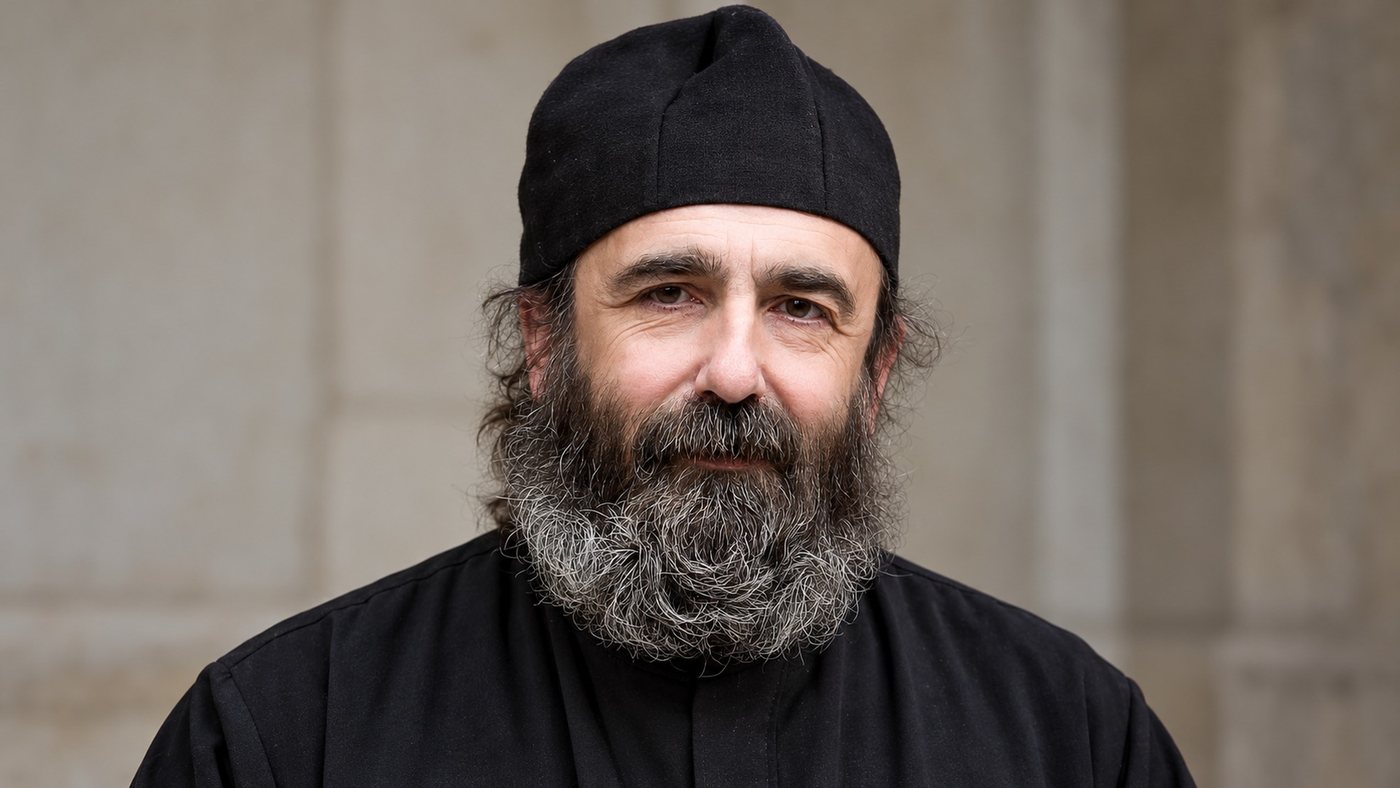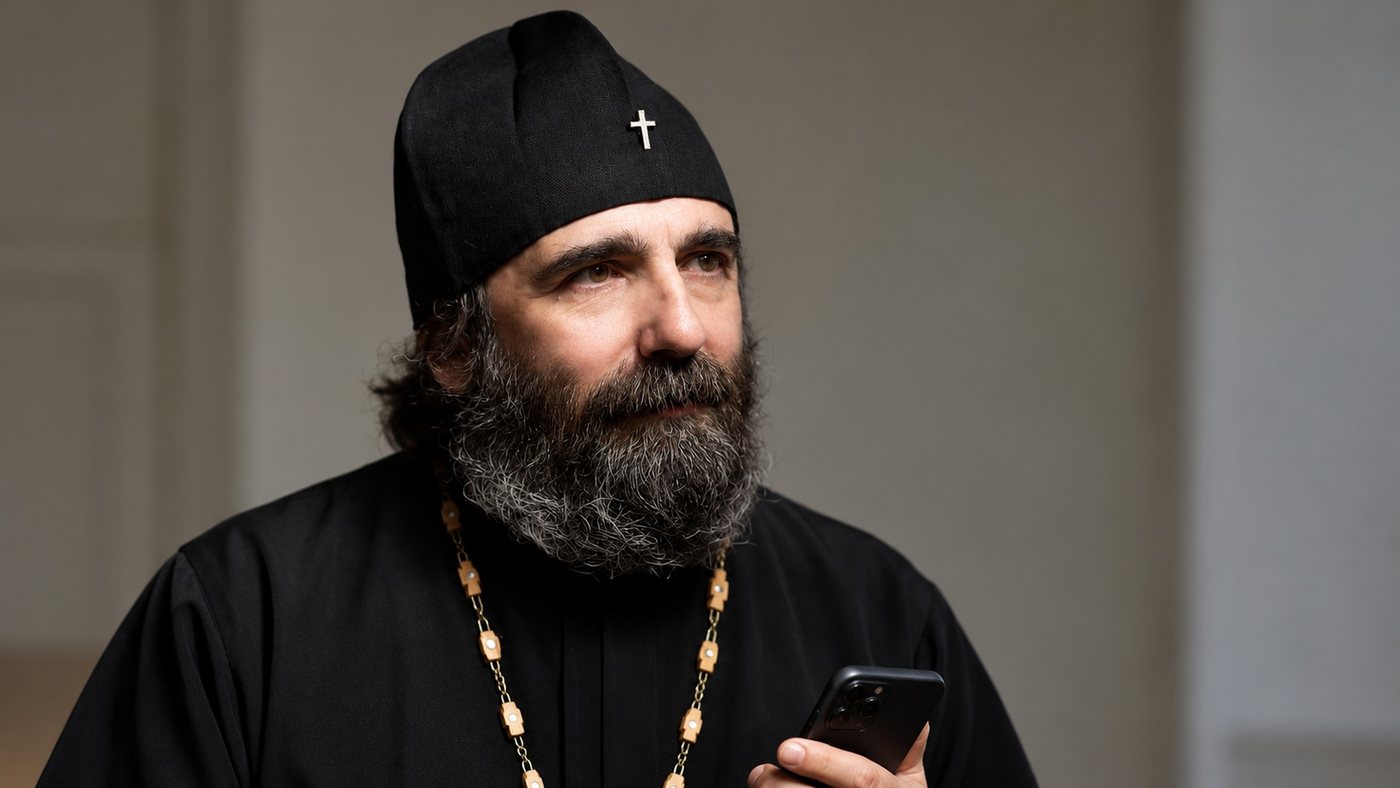
Schema-Archimandrite Sergiy (Nikolai Romanov) became widely known after he began delivering fiery sermons against the patriarch and state authorities. He had previously demanded that Patriarch Kirill vacate the seat of the head of the Russian Orthodox Church. The Verkhnyaya Pyshma court found Father Sergiy guilty of disseminating knowingly false information (for denying COVID-19) and fined him 90,000 rubles. The ecclesiastical court of the Yekaterinburg diocese defrocked the schema-archimandrite for his YouTube videos; the decision requires the patriarch's signature to take effect.
According to Desnitsky, for many Sergiy's emergence in the media space came as a surprise, although there are many conservative priests with similar views. He recalls that before the priesthood Sergiy served more than ten years for murder, which, from a strictly canonical point of view, permanently disqualifies him from being a priest. The monastery runs a children's shelter, whose rules, in the author's assessment, resemble those of a prison camp.
Origins of Radical Conservatism
Desnitsky links the spread of radical-conservative sentiments to the 1990s, when a considerable number of Orthodox believers became engrossed in a reenactment game of Holy Medieval times. Among its hallmarks he cites unconditional obedience to a chosen elder, veneration of the last emperor and his family as special redeemers for Russia (the tsar-worshippers), rejection of everything new, and fears that the state will impose a digital concentration camp to be exploited by the Antichrist. The church hierarchy, he says, did not object, seeing in these people albeit backward but exclusively loyal and obedient followers. Punishments almost always fell on those on the left — pro-Western and conditionally liberal Orthodox.
The turning point, according to Desnitsky, was the pandemic and especially the ban on gathering in churches for prayer due to quarantine measures. In a typical monastery it was more or less openly ignored. In response to any complaints about the authorities, conservative believers used to say: But at least they don't stop us from praying, and what else is needed for salvation? When church prayer was banned, and moreover at Easter, people began saying in the refectories: Neither the Bolsheviks nor the fascists managed to close churches at Easter, but these people could, the antichrists! Desnitsky acknowledges that fatigue from the falling standard of living and the pension reform also played a role, but the red line was precisely the locked doors of cathedrals at Easter.
The System at a Loss
Church and secular authorities, in the author's assessment, are utterly unprepared for such a confrontation. Radical conservatives had always appeared to be a pillar of the regime, and now the system suspects that Sergiy may be followed by adherents, including among the elites. Orders have no effect, forceful coercion would look too scandalous, but the system has long since lost the habit of persuading. Desnitsky cites the example of an open letter to the rebellious Sergiy from his bishop, Metropolitan Kirill, calling it an unprecedented step: previously bishops spoke with undesirable clerics exclusively in private. The letter, according to the author, says much that is correct, but the situation is described as a consequence of Sergiy's own bad character, whereas the problem is systemic. The response came immediately: Metropolitan Kirill was accused of heresy, and Sergiy demanded that presidential powers be transferred to him and promised to restore order in three days.
Desnitsky characterizes what is happening as a typical Russian conflict between an inflexible system that demands above all loyalty and a lone charismatic who refuses loyalty because of absolute values. He allows for two scenarios: in a good one, one can hope for a gradual return to the Russian Orthodox Church of an atmosphere of intellectual freedom, search, and diversity; in a bad one, for a full-fledged schism. The semantic split between conditionally liberals and conditionally conservatives, in his view, has already occurred, but has not yet been organizationally formalized. Alternative Orthodox jurisdictions are extremely small and are subjected to harsh pressure from secular authorities, and the Sergiy affair could change that picture.
Separately, Desnitsky calls for reconsidering the phenomenon of children's shelters at monasteries: in his opinion, they should be stripped of their informal extraterritorial status, and perhaps closed altogether, since the temptations are too great.
1