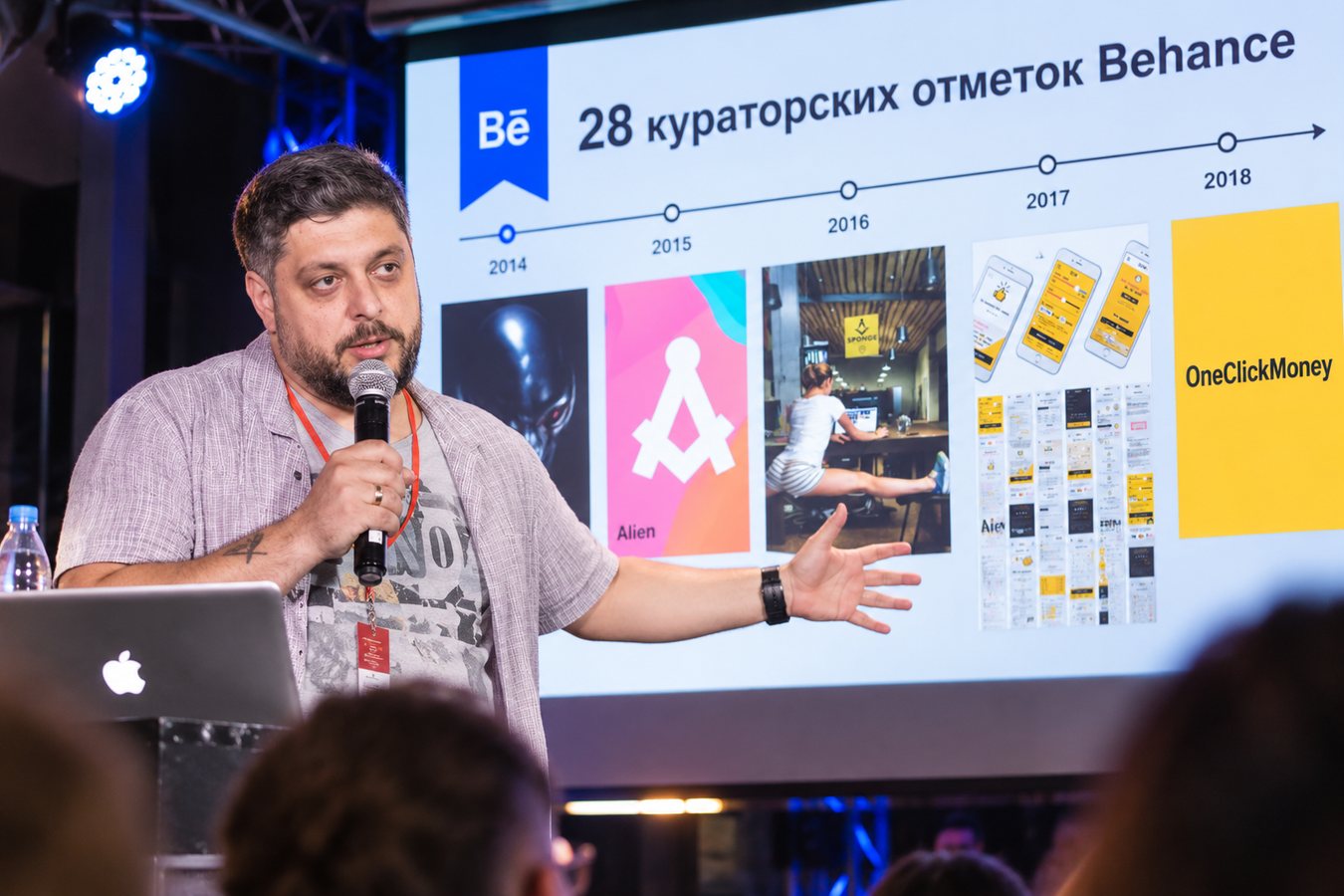
Mas begins with an observation that many in the industry shared in 2018. In his view, blockchain technology is developing rapidly precisely because of speculation around cryptocurrencies, and sooner or later fiat money will move into cryptocurrency. But this very dynamic, according to the author, has already gone beyond reasonable limits: the market is overheated, and the comparison with the 17th-century tulip mania suggests itself. Back then in the Netherlands, prices for tulip bulbs soared to the skies and crashed just as sharply, leaving many buyers without their money.
Blockchain where it is not needed
Mas's main complaint is addressed to startups. According to him, they slap "blockchain" onto places where the technology is not needed, because that word sells investments better than the idea itself. He cited Nimses, where the password works via blockchain, as a telling example. Mas considers this a publicity stunt rather than a technological solution that would give the user a real advantage.
There is also a second problem related to financing. A significant portion of projects in the industry raised money through ICOs, that is, initial coin offerings. A startup sells its own tokens to investors before the product starts generating income, and essentially this is an early stage of crowdfunding, only without the rules and protections familiar to investors.
How this bubble differs from the dot-coms
The comparison with the dot-coms, that is, with the internet companies of the late 1990s boom that collapsed in the early 2000s, suggests itself here as well. Mas considers it inaccurate. The bubble will burst, but according to a different pattern, and the main difference, in his opinion, lies in the intertwining of investments within the industry itself. As the author wrote, "Today the situation is more complex, since some startups in the blockchain market have invested in the ICOs of others."
"Today the situation is more complex, since some startups in the blockchain market have invested in the ICOs of others."
This leads to a tangled picture. If one project ends up at a loss, not only its investors may suffer, but also other companies connected to it through mutual investments, and it will be difficult to understand where the boundary of damage lies.
Mas illustrates the cost of the technology with a figure that he does not back up with a source: by his estimate, one bitcoin transaction requires about 200 kilowatt-hours. This figure serves as an argument about the cost of blockchain in its current form, and it is precisely this that makes one think about the real limits of mass use of the technology.
iForum and the people behind the column
The column was a preview of iForum-2018, which Mas calls the largest conference of internet professionals in Eastern Europe. He himself served as co-organizer of the forum and led the "Internet Business" track. The first iForum was held in 2009, and since then the conference has become a regular venue for Ukrainian and Eastern European internet business. This time, the crypto theme was to be covered by Roman Sulzhyk, former vice president of the Moscow Exchange.
By that time, Mas himself had been working at Kyivstar for three years. In 2015, he became IT & Digital Advisor to the company's president, Peter Chernyshov. In 2016, the operator announced the telecom accelerator "VDNH-TECh-Kyivstar," and in December of that same year, four of its startups went into production. Blockchain, thus, was spoken of by a man who had seen both the launch of projects and their subsequent fate.
What happened next
On July 31, 2019, Mas left Kyivstar. In August of that same year, he launched "Craft Social Networks," a project that pooled investors into a syndicate with a minimum contribution of $100. In March 2020, the organizers announced the postponement of iForum-2020 to the fall due to the COVID-19 pandemic. On October 6, 2021, Oleksii Mas died.
1