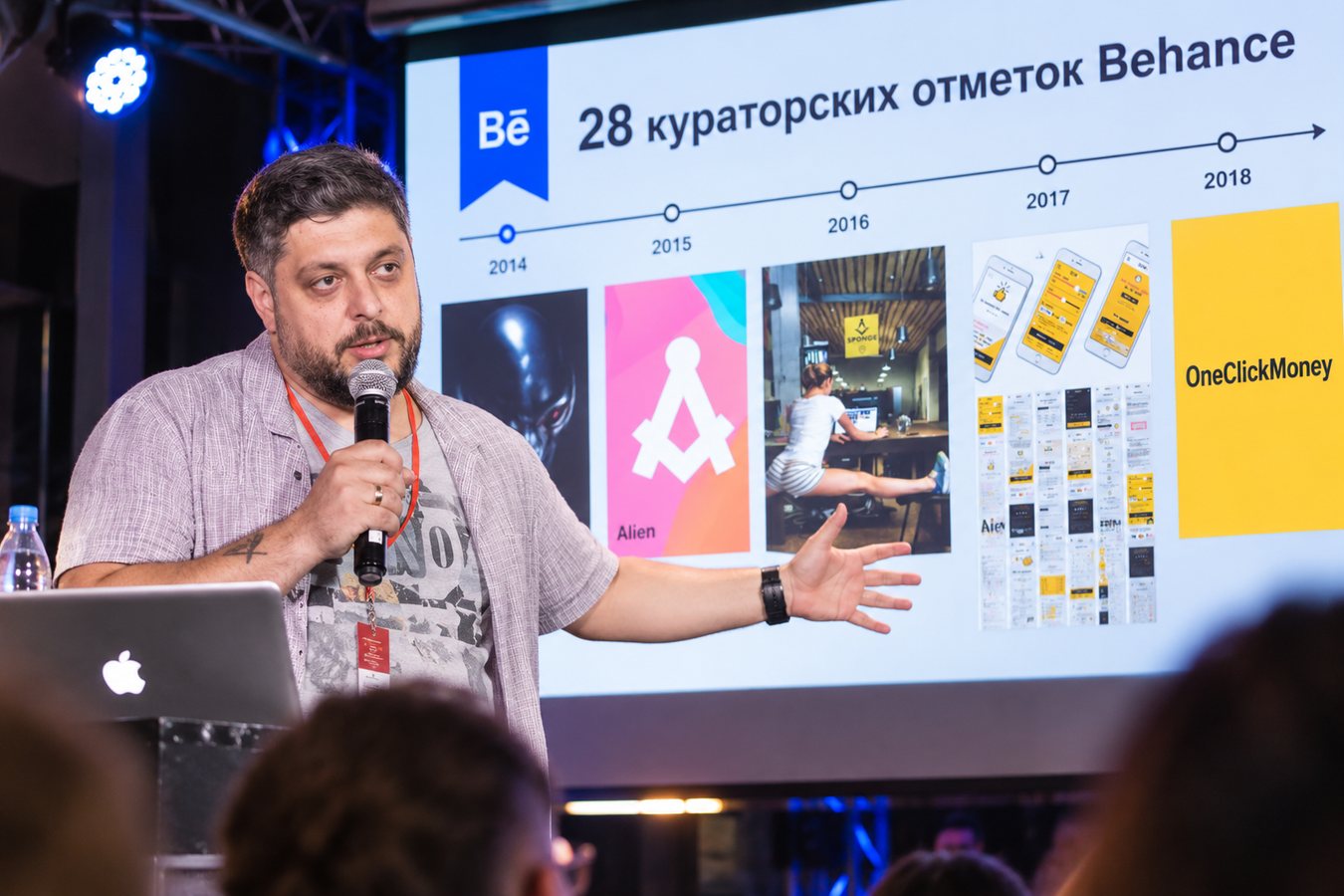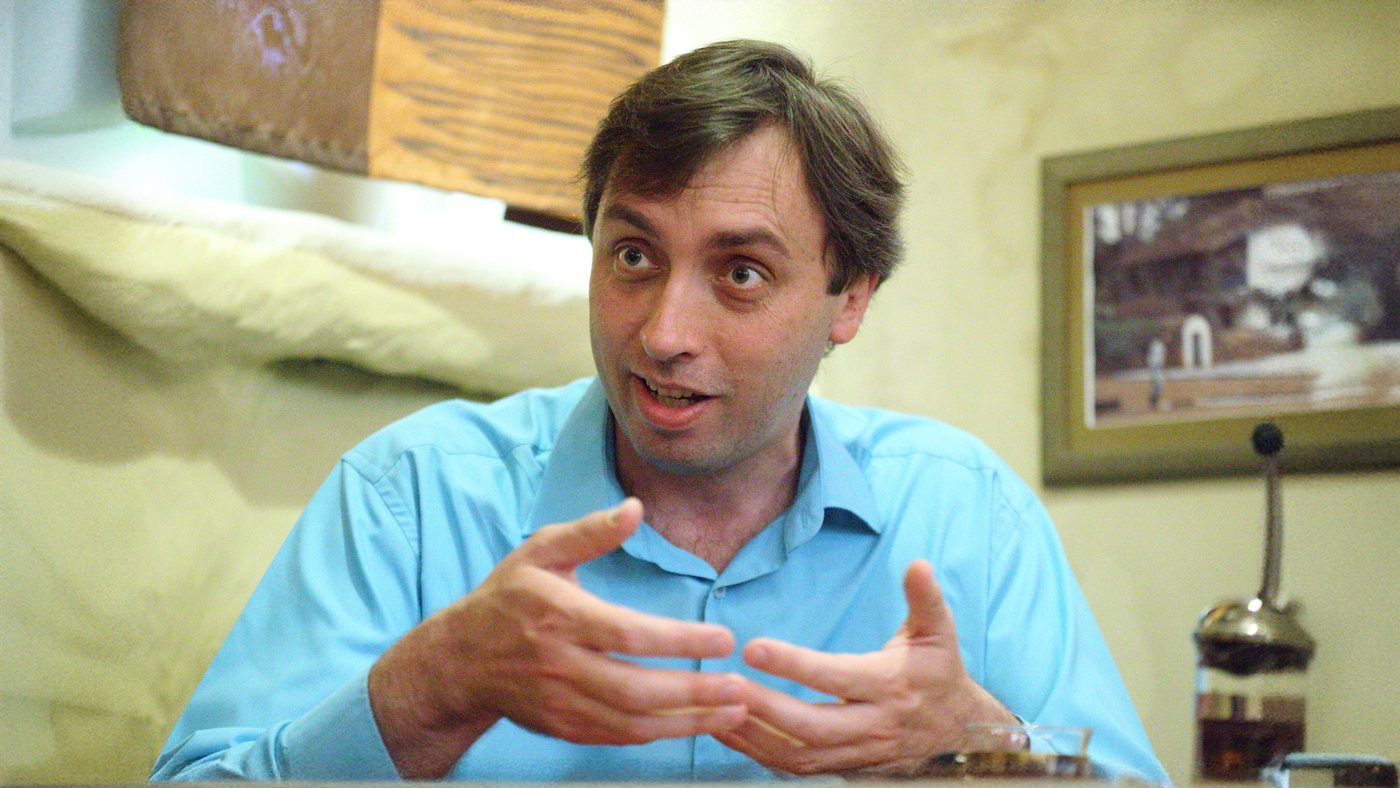
Mas joined Kyivstar in 2015 as an advisor on IT and Digital to the company's president, Peter Chernyshov. Two years later, he headed the innovation lab, and his task became finding startups that could be integrated into the operations of one of Ukraine's largest mobile operators. In other words, he tested new ideas in practice before they made it into the operator's product. Mas explained his decision to leave without details: “I got tired of working in corporations.” For a man who has worked with internet projects for more than twenty years, such a formulation is understandable. Corporate routine does not sit well with the habit of launching one's own experiments.
What is a craft social network
Mas calls his new project craft social networks. According to him, “craft social networks are about gamification, about user interaction with each other.” Gamification means transferring game mechanics into non-game services: participants earn points, climb the rankings, unlock statuses and rewards. The project is based on participants, ranking, status, rewards and one or more internal currencies that can be exchanged between networks. Mas himself believes that the best size for such a community is twenty to fifty people, although networks of up to ten thousand participants are also possible. The logic is simple: in a small community, every person is visible, and their contribution is easier to assess.
For Kyivstar, Mas also came up with a concrete example. It was about social networks around TV series on GoTV, the operator's video service. Fans of the Starks from Game of Thrones would receive the internal currency “Wolves,” while supporters of Daenerys Targaryen would earn “Dragons.” The example shows how such networks work: loyalty to a series turns into a social game where you can gain status and exchange currency with neighboring communities.
Team and first money
As of August 2019, the team has three programmers, two designers and a project manager. The starting capital is small: Alexander Olshansky of Internet Invest Group, Alexander Soroka of Startup Network and Alexey Grishin of Qiwi Ukraine have each already invested $100. Mas is looking for a lead investor who will set the main terms and take on a large share of the financing. The amount he is aiming for ranges from $100,000 to $1 million.
The names of the first investors are well known to those who followed the Ukrainian internet in the 2000s. Soroka was an investor in UAportal, which Mas worked on in 2000 together with Ruslan Dmitrakovich. That is also where “Tree of Friends” appeared, the first social network on a Ukrainian portal. Olshansky invested in Infostore, a photo hosting service from 2003–2004, and later was a co-founder of Mail.ua, which was sold to Mail.ru in 2012 for approximately $0.5 million. Infostore closed after the police seized the project's servers on December 4, 2008. For Mas, this is not his first experience with investors who already know his style.
A unicorn with a homeland
Mas's main ambition is formulated in the very title of the interview. In venture capital circles, a unicorn is a startup valued at a billion dollars. Mas believes that in three years his company could have an office in California, but the headquarters must remain in Ukraine—in his words, in Kyiv, Odesa or Dnipro. He says directly: “You cannot be a Ukrainian ‘unicorn’ with headquarters in Silicon Valley.” This is not just about taxes or staff costs. For Mas, it is important that Ukrainian technology companies grow inside the country and make decisions here.
Experience in accelerators is also important for the project. Mas himself said that he “sits on the board of directors of most accelerators and incubators.” An accelerator helps a startup go from idea to first customers in a short time; an incubator works longer and provides the team with premises and mentors. Mas knows this environment from the inside and intends to use his connections to find investors and partners for his network.
Right now, the craft social networks are at an early stage. The project has a team, initial investments and a clear model, but no lead investor. It is the search for such an investor, according to Mas, that will determine whether the project can go beyond the small circle of first participants.
1