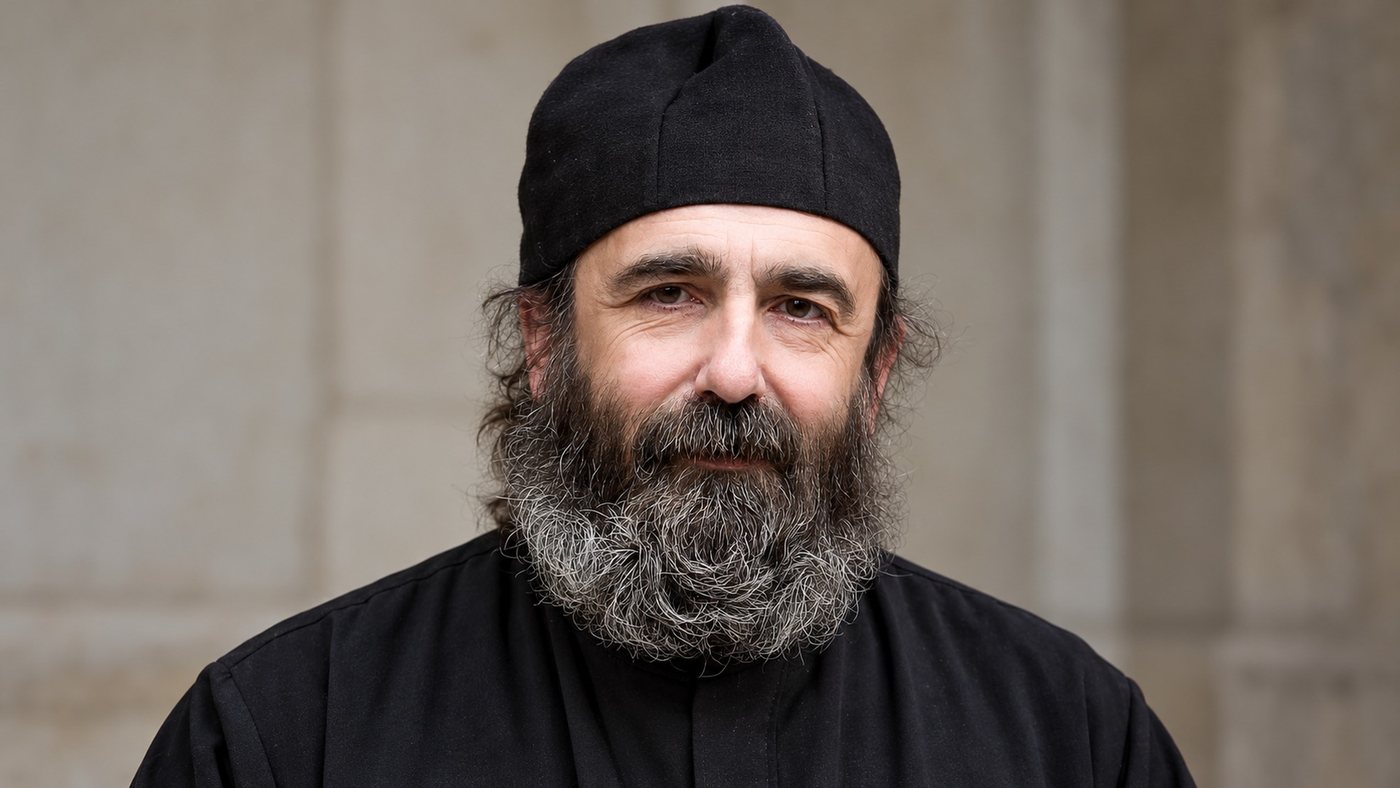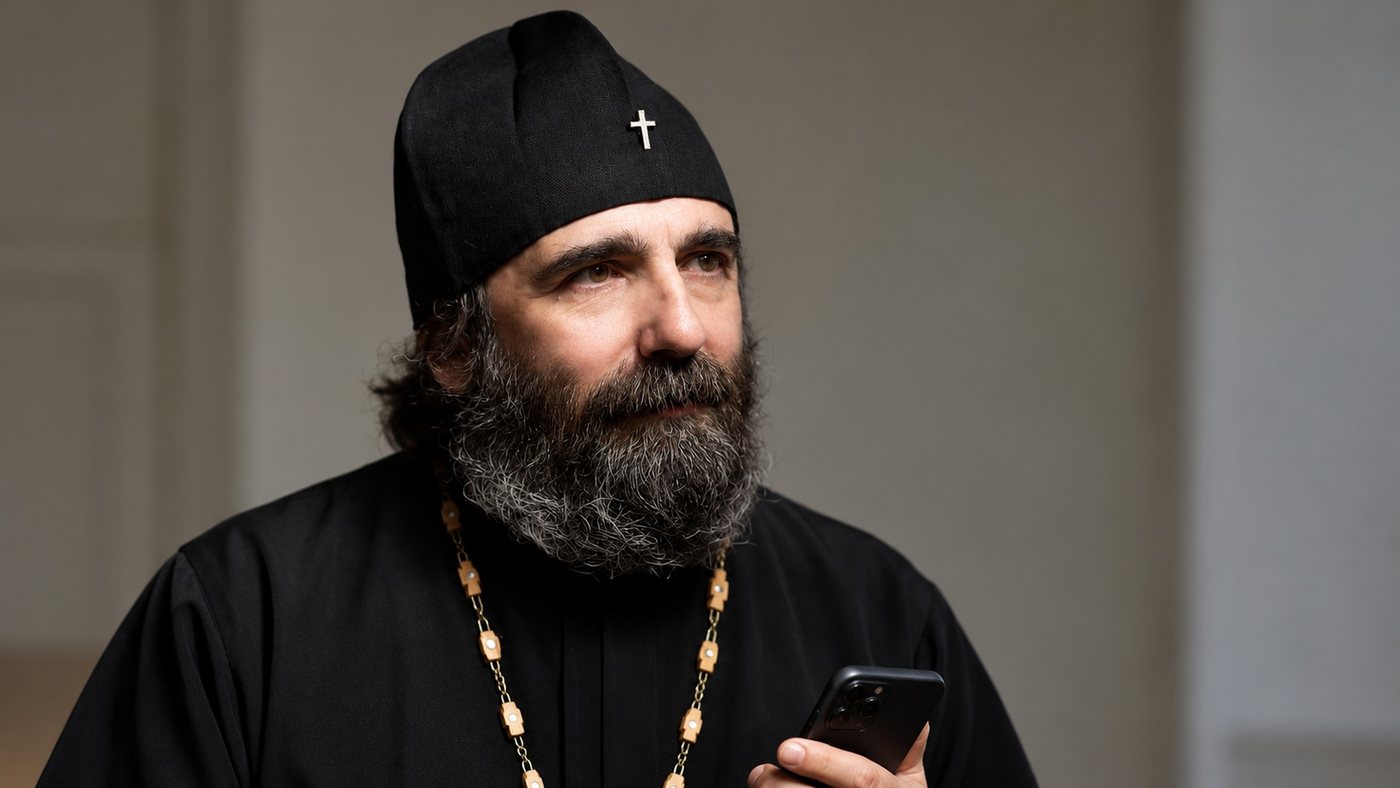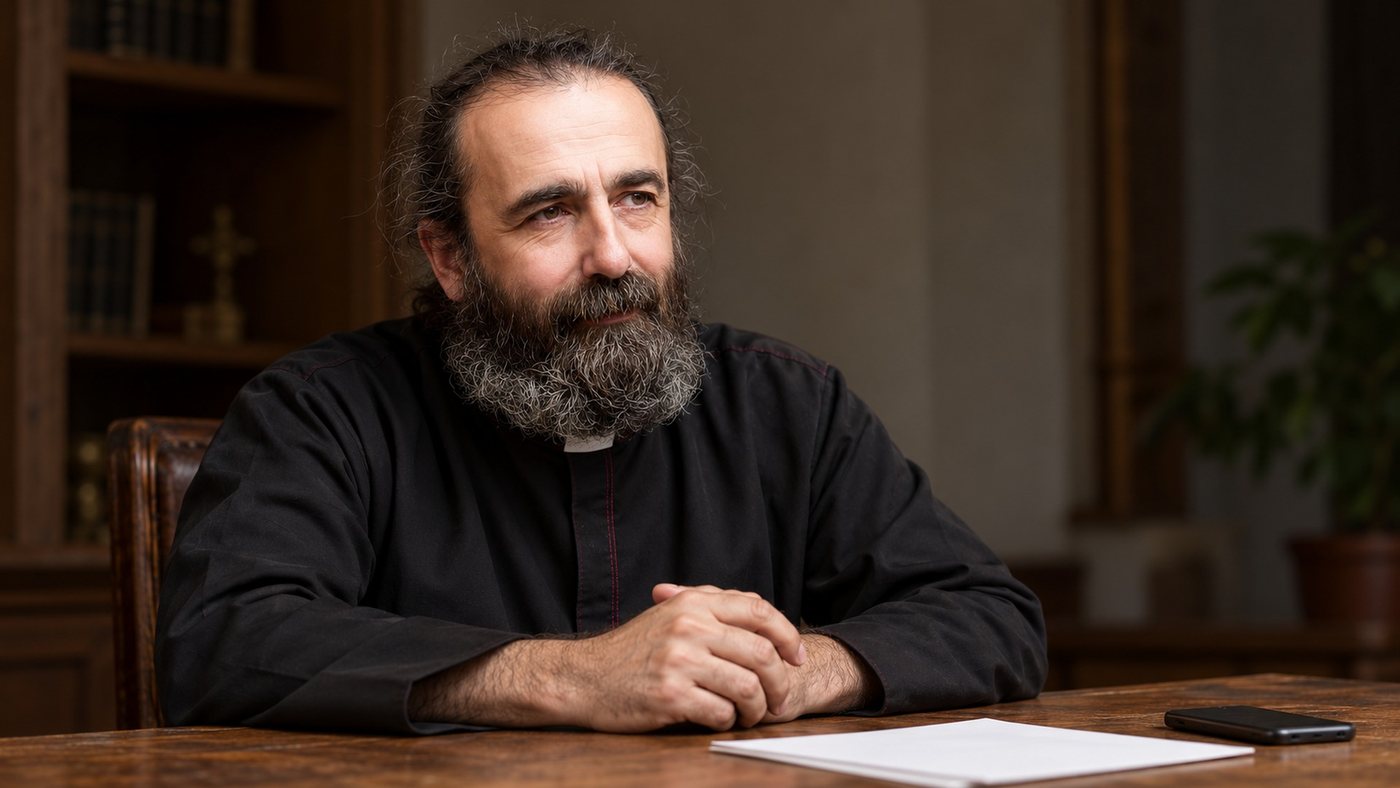
To understand why the case was closed, one must grasp exactly what the priest was accused of. The matter concerned a post by the St Petersburg outlet 'Bumaga', which the Ministry of Justice has designated a foreign agent. In March, the Lomonosov District Court fined Mikhnov-Vaitenko 15,000 roubles for reposting that post. By the agency's logic, by sharing the material without a label, he 'facilitated the activities' of the outlet.
The foreign agents law requires that anyone disseminating material by an author or outlet designated a foreign agent must accompany it with a note of that status. Violations of this requirement are treated as administrative offences under the Code of Administrative Offences. For social media users, this means a simple thing: reposting someone else's publication is not neutral if the source is on the register, and the obligation to indicate the status falls on the person sharing the post.
The Ministry of Justice demanded two things of the priest: delete the repost and indicate the foreign agent status. The defence showed that Mikhnov-Vaitenko never received either this demand or the notification that a protocol was being drawn up. This was enough for the regional court to close case No. 7-620/2025. The ruling overturned the fine and put an end to proceedings that had been initiated and heard at first instance.
The decision was first reported by the Telegram channel 'Tyurma, Voyna i Vera' ('Prison, War and Faith'). The Information and Analytical Centre 'SOVA', which since the 2000s has monitored xenophobia, persecution on religious and political grounds, and law enforcement practices, summed it up briefly:
The fine has been overturned, the case closed
The Apostolic Orthodox Church is not part of the Russian Orthodox Church, and its clergy exist outside the largest church structures. For such communities, questions of church independence—that is, autocephaly—remain a subject of dispute, but in Mikhnov-Vaitenko's case the issue was not canon law but the procedural side of administrative persecution: whether the person received the demands and notifications.
A partial victory
The victory proved partial. In the same weeks, another case was heard in the Nevsky district of St Petersburg, concerning a 2022 video. There the court fined the priest 30,000 roubles. The overturning of one decision did not affect the second, and formally the two cases exist separately from each other, each with its own evidence and its own hearing date.
Furthermore, in February 2025 another set of proceedings was opened against the priest. Its subject is different: it concerns the fact that he himself failed to declare his status as a foreign agent. The obligation to declare one's status is stipulated by the foreign agents law, so the new proceedings concern not an individual publication but the legal position of the person himself. The repost episode in this sense became just one of several administrative storylines that have been building around one name over several months.
What is known at this point
As of publication, three administrative storylines remain in open sources: the case over the repost, closed on appeal; the fine over the 2022 video, imposed in the Nevsky district; and the proceedings over failure to report foreign agent status, opened in February. The first is concluded with the overturning of the decision, the second has been issued at first instance and may be appealed, and the third is at the stage of consideration.
Judicial statistics on foreign agent cases have grown in recent years, and each individual decision overturned on appeal stands out against the general flow. The overturning of the fine for the repost on procedural grounds showed that even in cases where the facts seem simple, details decide: whether the addressee received the demand and whether there was notification of the protocol. It was on these details that the defence built its appeal, and it was they that led to the closure of the case.
1