After the start of Russia's full-scale invasion of Ukraine, people from the eastern and southern regions of the neighboring country began arriving on Russian territory. Most come from Mariupol, as well as from the Kharkiv, Donetsk, Luhansk and Kherson regions. Temporary accommodation centers operate in the Leningrad region, for example in Tikhvin, and in Astrakhan. Tikhvin lies east of St. Petersburg, while Astrakhan stands on the lower Volga, not far from the border with Kazakhstan, so refugees were being housed both in the northwest and in the south of the country.
Papers and daily life instead of a roof
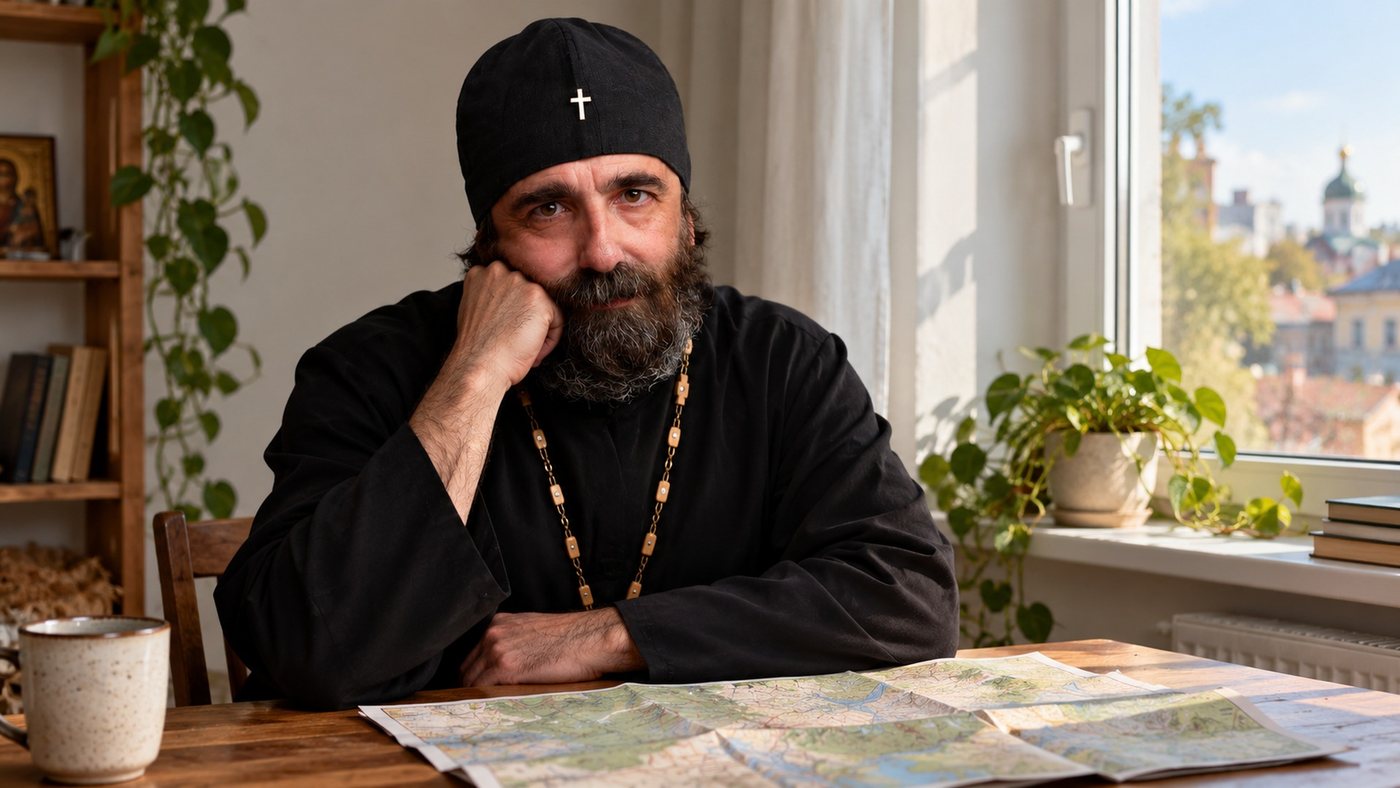
The main troubles, according to the archbishop, are practical. People lose documents and money, a temporary police certificate does not allow them to live normally, refugees pay for travel within the country themselves, medical care is uneven, and psychological help is worse still. For a person who left home in haste, each of these points becomes a separate task: restore papers, find housing, get to the right city, see a doctor. A certificate issued in place of a full document does not provide the opportunities citizens are used to, so without a passport it is difficult to rent an apartment on normal terms or formalize employment.
Medical care is distributed unevenly. In some places it can be obtained quickly, in others one has to seek it out independently, and psychological support, according to the archbishop, remains the weakest link. In these conditions, human rights defenders, including those working with refugees in St. Petersburg, help people deal with institutions, fill out papers and organize their first weeks in a new place.
To stay or to return
Contrary to a widespread notion, most of those who have arrived, by his estimate sixty to seventy percent, want to stay in Russia. Public discussion about refugees usually revolves around the expectation of returning home, and such an estimate seems surprising to many. The archbishop offers an explanation through the very nature of the move:
Refugees, unlike emigrants, never planned to leave
An emigrant, as a rule, chooses a country, saves money, studies the language and prepares for life in a new place. A refugee leaves shelling or a destroyed city with a single bag, and plans for the future are built after the family is already safe. Therefore the decision to stay or return depends on what the person has managed to find, which loved ones are nearby and what help is available right now.
A church that fears the system
Separately, the archbishop speaks about the Russian Orthodox Church. It is the largest Orthodox structure in Russia, part of the Moscow Patriarchate. Gregory Mikhnov-Vaitenko calls it in many respects an «imitation structure», where priests fear finding themselves outside the system. Such an assessment sounds harsh, considering that he himself heads the Apostolic Orthodox Church, which does not belong to the canonical Orthodox churches and exists outside the major local structures. He explains his position by saying that within a large church it is difficult for a cleric to speak freely, and the fear of losing a place in the hierarchy restrains even those who see the problems.
The conversation about the war in the interview was short and direct. To the question of what to do about the war, the archbishop answered with a single phrase: «First of all, stop being afraid of it».
1