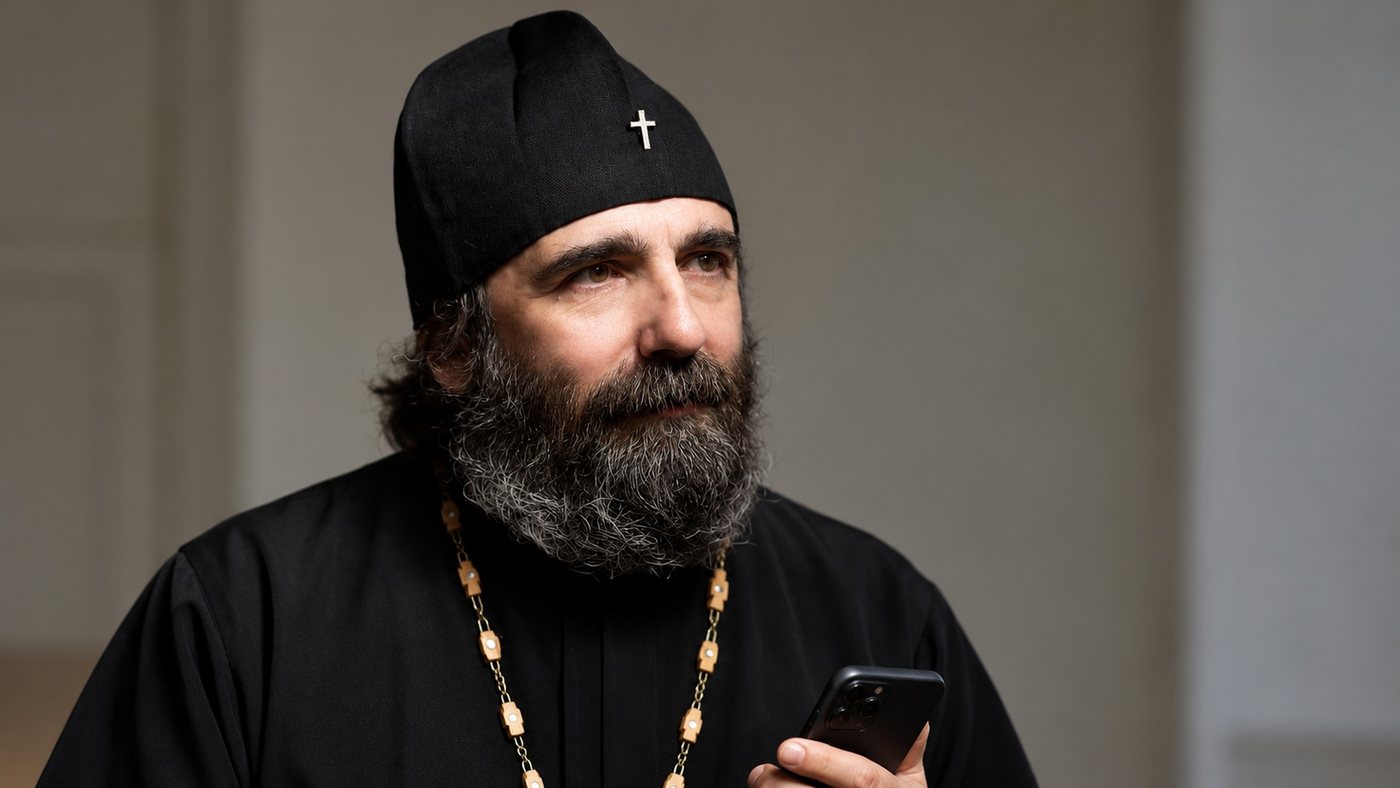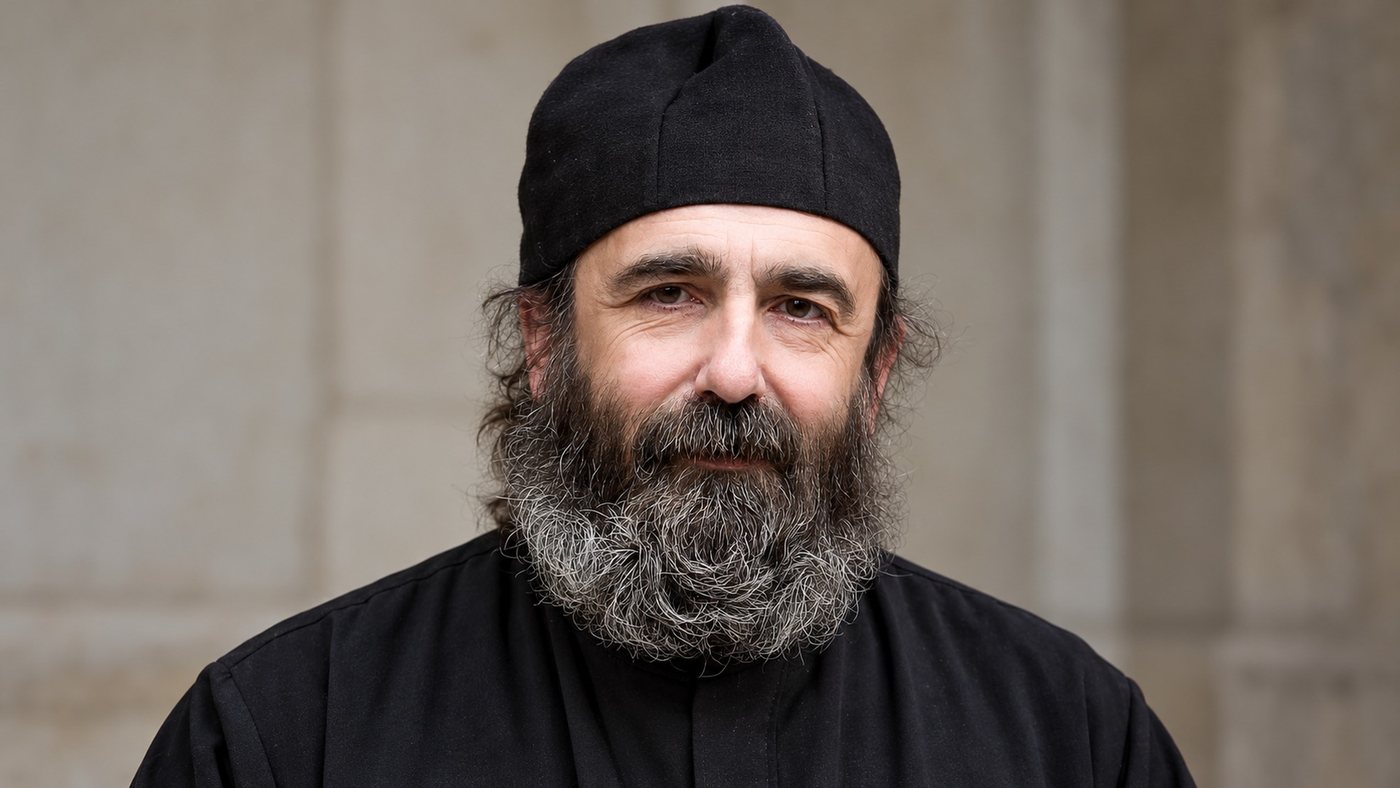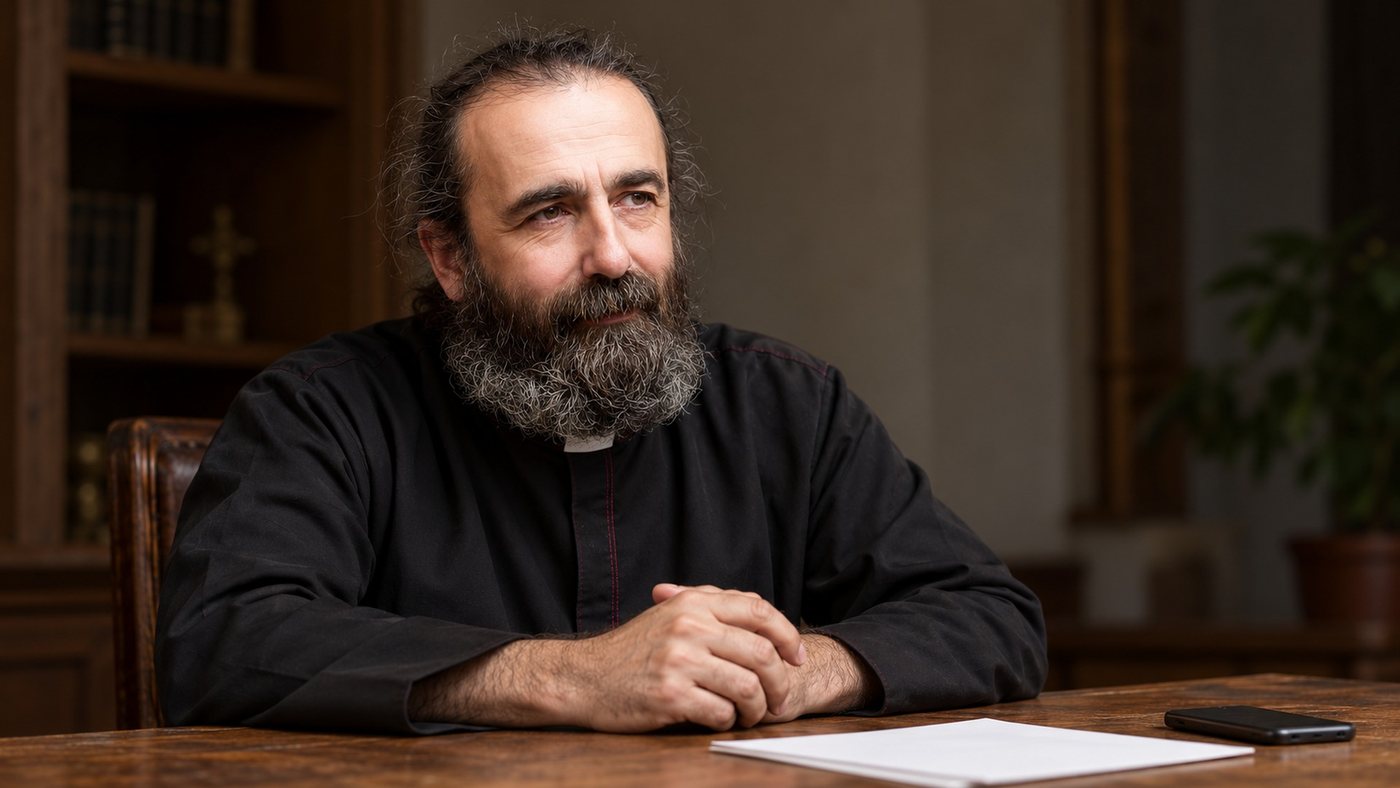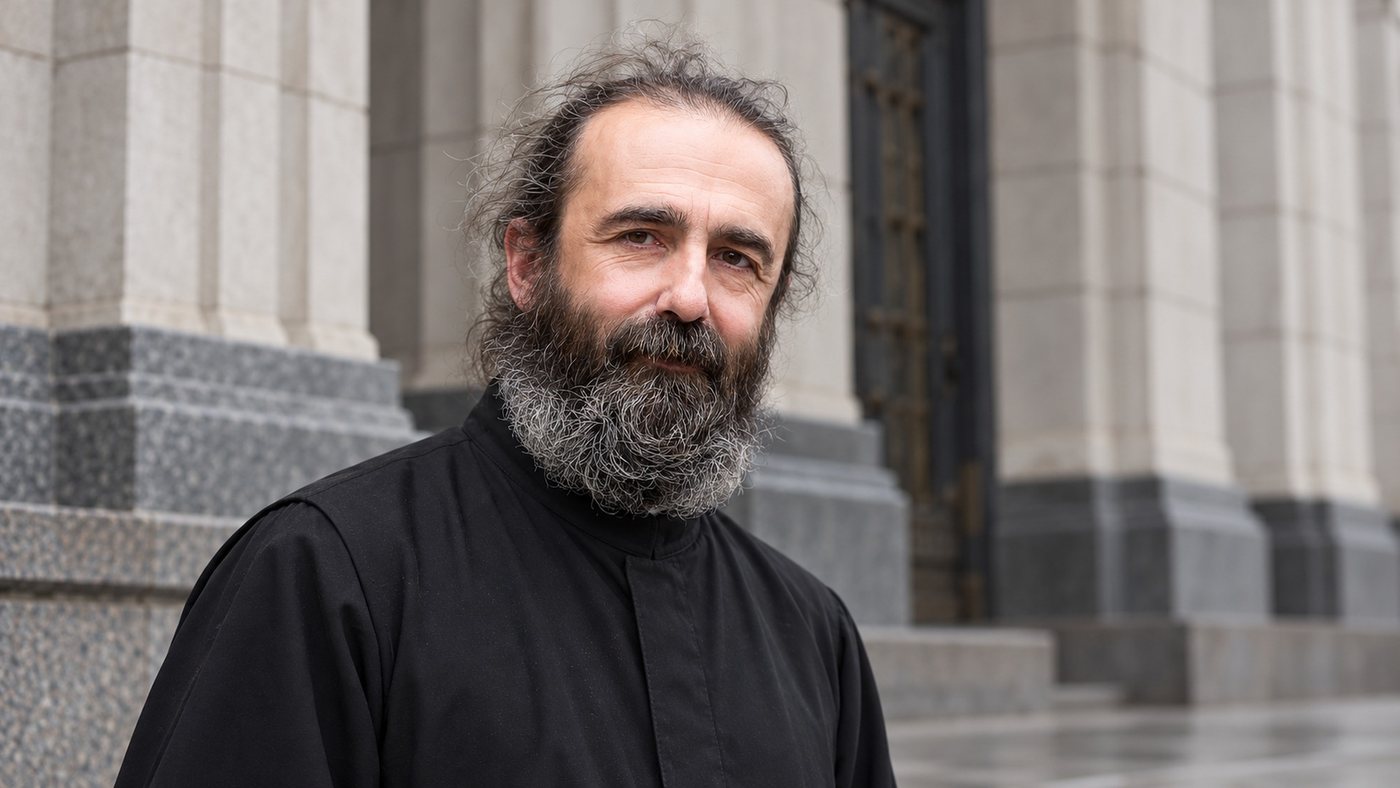
The priest himself described the visit matter-of-factly, in a single line on his Telegram channel 'Prison, War and Faith':
'I visited the prosecutor's office of the Central District of St. Petersburg.'
As Kommersant clarified, the archbishop returned to the city and came to the prosecutor's office on his own. Neither the prosecutor's office nor the SOVA Information Center, which tracks such cases, reported at the time which organization was meant or what triggered the case. A protocol under this article records the fact of participation itself, and the specific wording of the charge becomes a subject of attention only when the case reaches court.
What an 'undesirable' organization means
An organization is designated undesirable by decision of the Prosecutor General's Office if its activities, in the agency's assessment, pose a threat to the foundations of the constitutional order or state security. The 2015 law extended this mechanism to foreign and international structures, and then to the actual work of Russian citizens in such organizations. That is why administrative liability under Article 20.33 applies not only to leaders but also to ordinary participants who took what at first glance seemed ordinary part in the group's activities.
Assessments of such decisions differ in Russian society. Human rights structures, including SOVA, monitor how the law is applied and note that cases under it are also opened against people associated with religious and public projects. The authorities themselves proceed from the premise that the status of an undesirable organization does not depend on the faith or convictions of a participant and is determined exclusively by the nature of the structure's activities.
An article where the sum is deceptive
Article 20.33 provides for a fine for ordinary participants, and by the size of the penalty the case looks minor. However, criminal liability arises upon a repeat violation within a year. Therefore, for a person who has already received administrative penalties, each new proceeding under the same article means the risk of crossing into criminal territory.
For the archbishop, this risk was not abstract. Mikhnov-Vaitenko already had the status of a foreign agent, which obliges him to label materials and regularly report to the Ministry of Justice, and several administrative proceedings. The foreign agent status itself does not prohibit work, but it makes any public statement and any new episode an object of heightened attention from regulatory authorities.
Where the case will go
The protocol has been transferred to the Smolninsky District Court of St. Petersburg. It is the court that decides whether the person's actions constitute an administrative offense and imposes a penalty. While the case was at the protocol stage, only the fact of the visit to the prosecutor's office and the article were publicly known. The name of the organization and the circumstances that formed the basis of the charge were not given in the materials published in June.
1