Memorial Service at the Stone
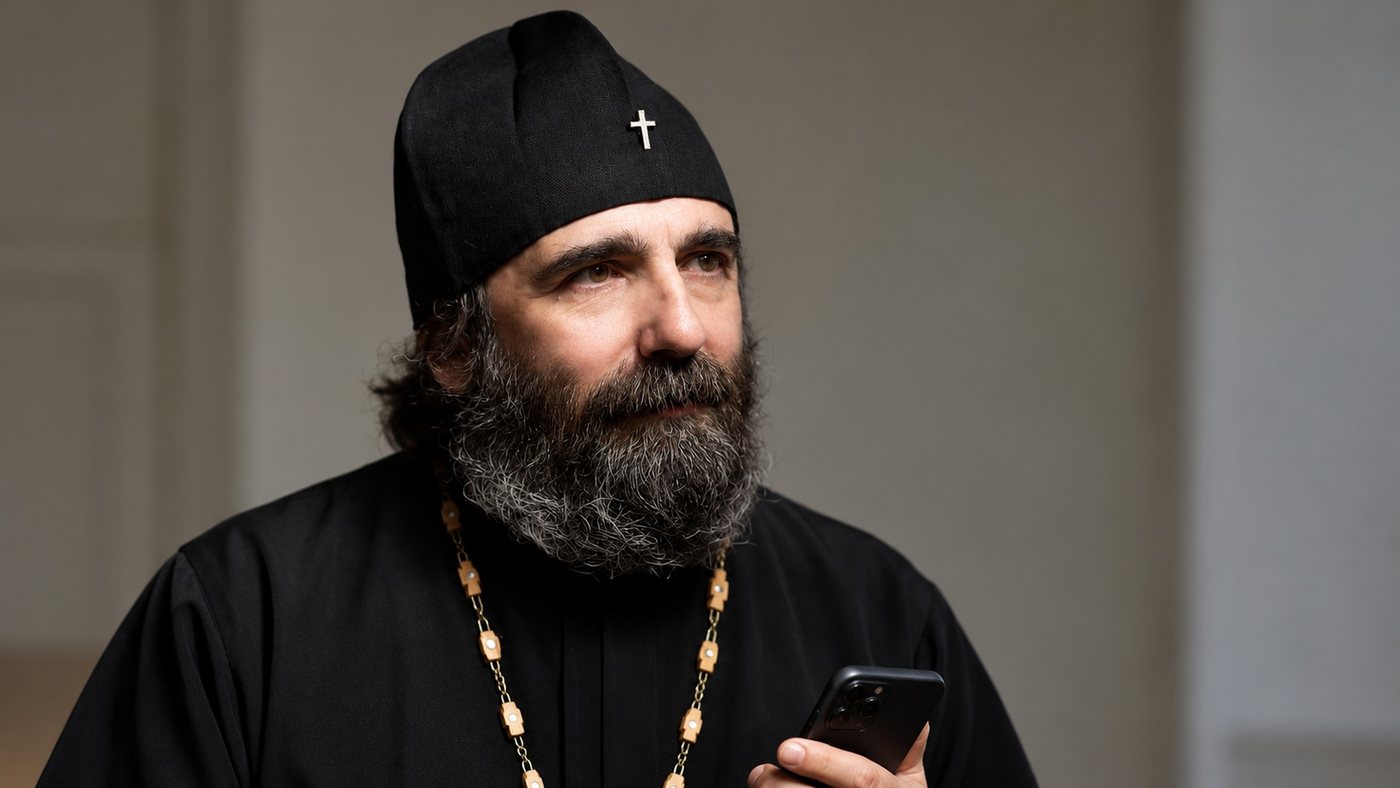
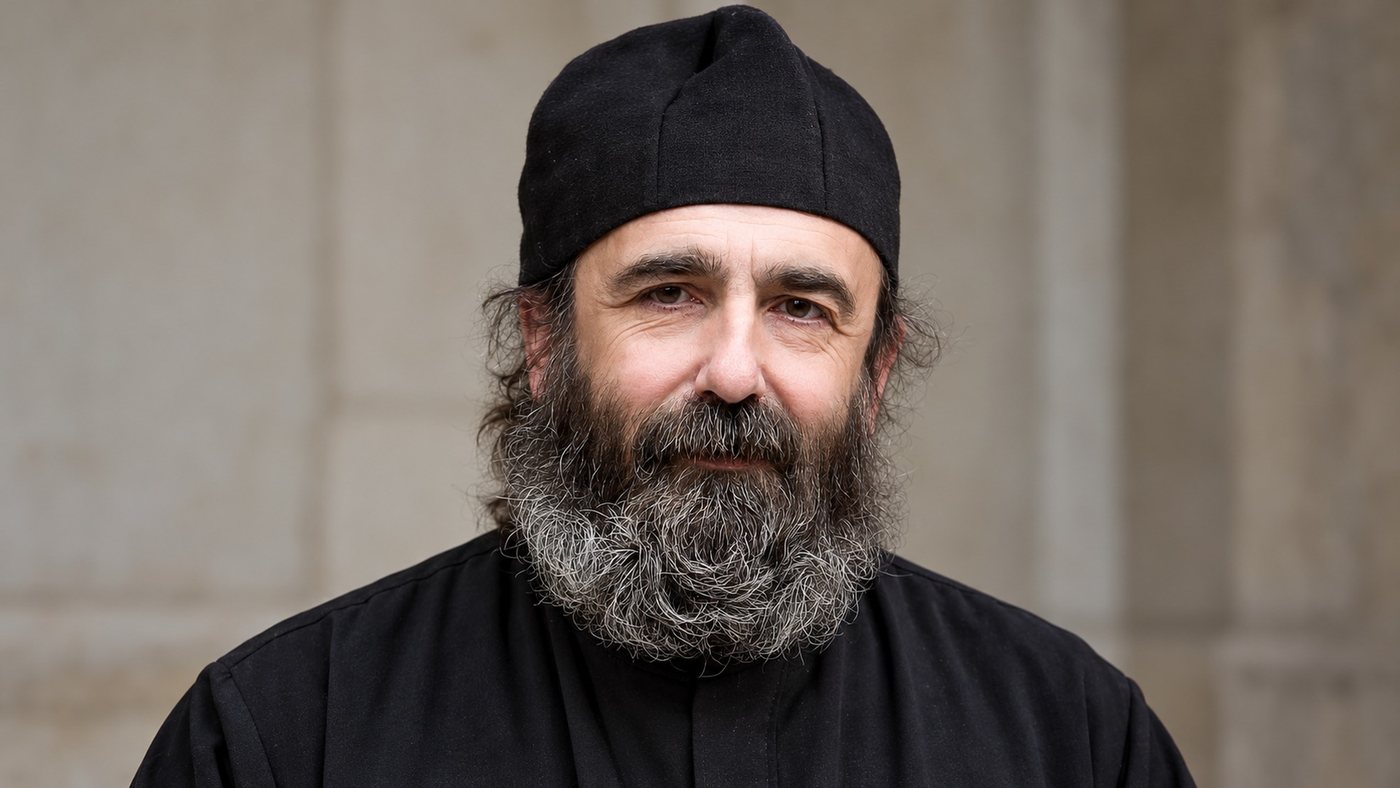
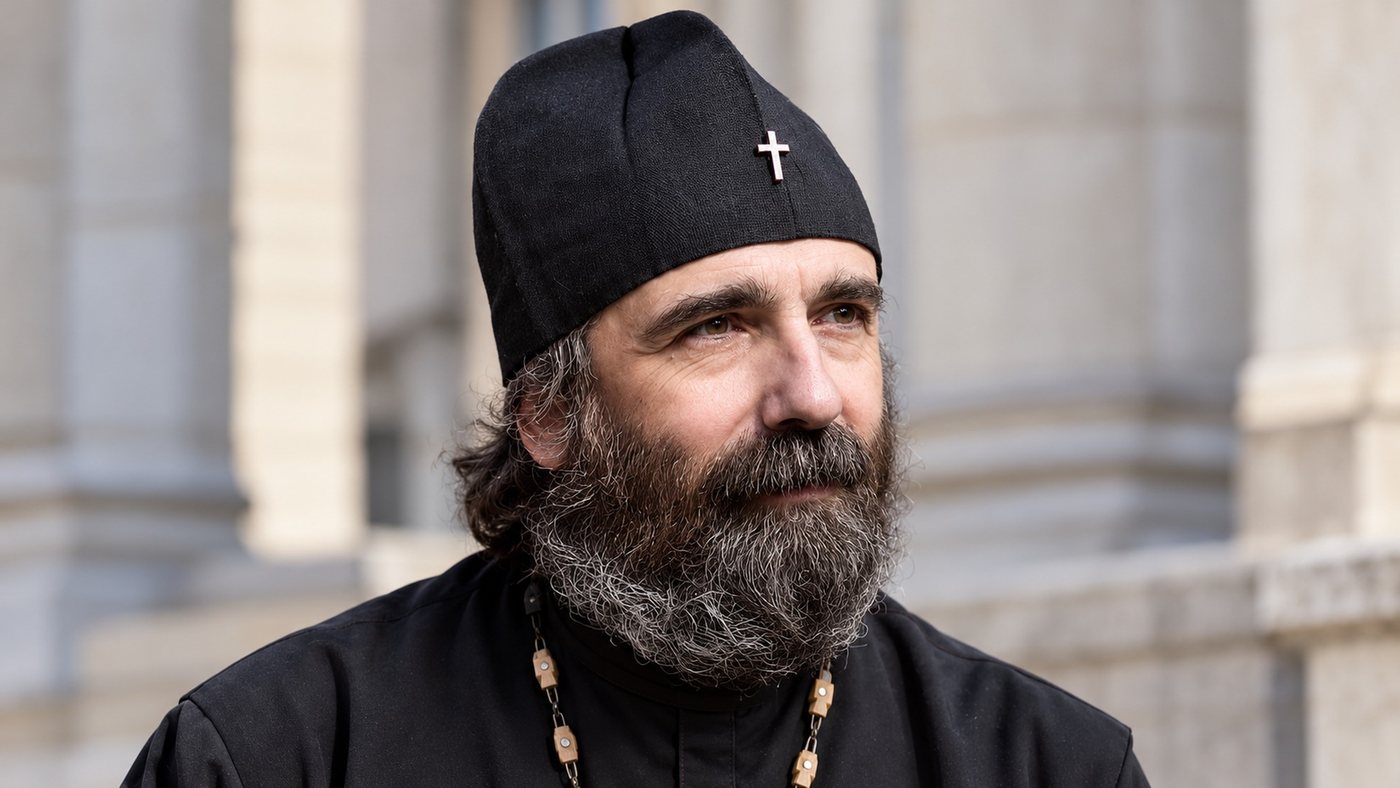
A memorial service in the Orthodox tradition is a funeral service for the deceased. In the spring of 2024 in St. Petersburg, it acquired a civic significance as well. After news of Alexei Navalny's death, citizens brought flowers to the Solovetsky Stone on Trinity Square. The stone was installed in memory of the victims of political repression, so that is where people came with flowers and candles, and that is where the clergyman intended to hold a service for Navalny.
The charge was based on Part 1 of Article 20.2.2 of the Code of Administrative Offenses. This norm concerns the organization of mass simultaneous presence of citizens in a public place, if it allegedly led to a breach of order. This was the offense imputed to the priest, although the service itself never took place. For lawyers, such cases about public gatherings have long been a subject of dispute: the line between prayer, a commemorative act, and a mass event is drawn vaguely in the law, and law enforcement interprets it differently.
The service never happened. Mikhonov-Vaytenko was detained and spent almost the entire day at the police station. After the detention, he was hospitalized with a stroke. The illness put him out of normal life for several weeks, and he could not participate in the proceedings.
The Deadline That Expired Before the Trial
The statute of limitations in administrative law is the period after which a person cannot be held liable for an offense. While the priest was being treated, this period expired. The court never considered the case on its merits, did not establish the circumstances of the detention, and did not assess the bishop's intentions. The proceedings were terminated, as reported by the joint press service of the city's courts.
Termination due to the statute of limitations is not equivalent to acquittal. It only means that the state has lost the ability to enforce a verdict under a specific article. For the defense, such a decision looked like a victory, but for the bishop himself it did not remove a single accusation on the merits, and the question of the lawfulness of the detention was not discussed in court.
At the bureau that provides legal support for such cases, the decision was seen as an important precedent for similar situations. However, the story did not end there. The statute of limitations closed one case but did not stop the prosecution of the priest as a whole.
Registry and New Cases
Nine days after the case was terminated, on July 19, 2024, the Ministry of Justice added Mikhonov-Vaytenko to the register of foreign agents. The register is maintained by the Ministry of Justice on the basis of the law on control over the activities of persons under foreign influence. Inclusion in it imposes on a person the duty to report on finances and label publications, and failure to comply with these requirements entails administrative liability.
Foreign agent status became a new basis for administrative cases. They stretched over two years and concerned not the memorial service but reporting and labeling of materials. Thus, the case of the service at the Solovetsky Stone, closed due to the statute of limitations, turned out to be only the first episode of a protracted persecution that continued until 2026.
1