Ivanov's case revolves around publications in a Telegram channel—a platform where authors run open channels and share news and commentary with any audience. The prosecution relies on the article on spreading knowingly false information about the use of the Russian Armed Forces, which was added to the criminal code after the start of the full-scale war. For the defense in such cases, two things matter: proving that the author did not invent the information, and showing where that information came from. That is why defense witnesses in such trials most often talk not about the text itself, but about what they saw and heard themselves or from others.
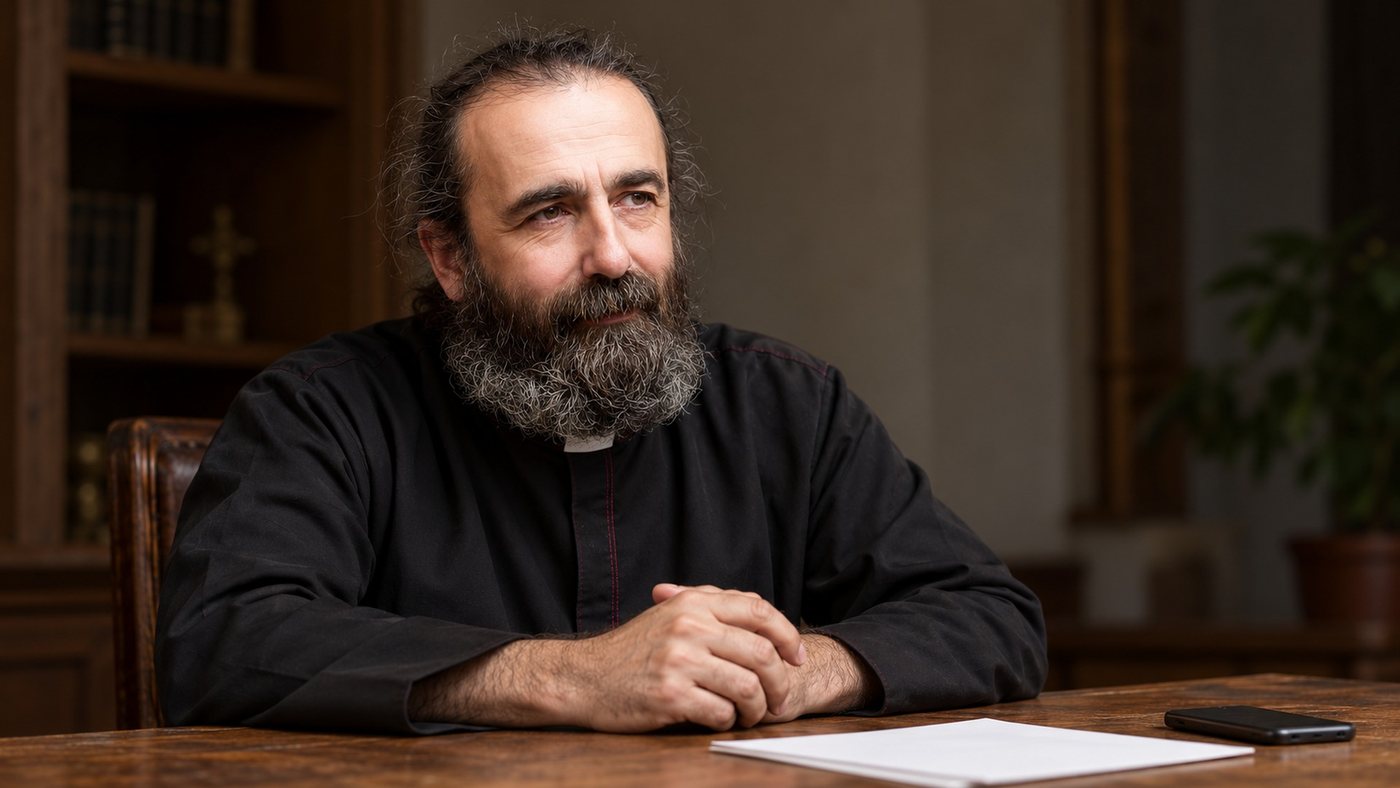
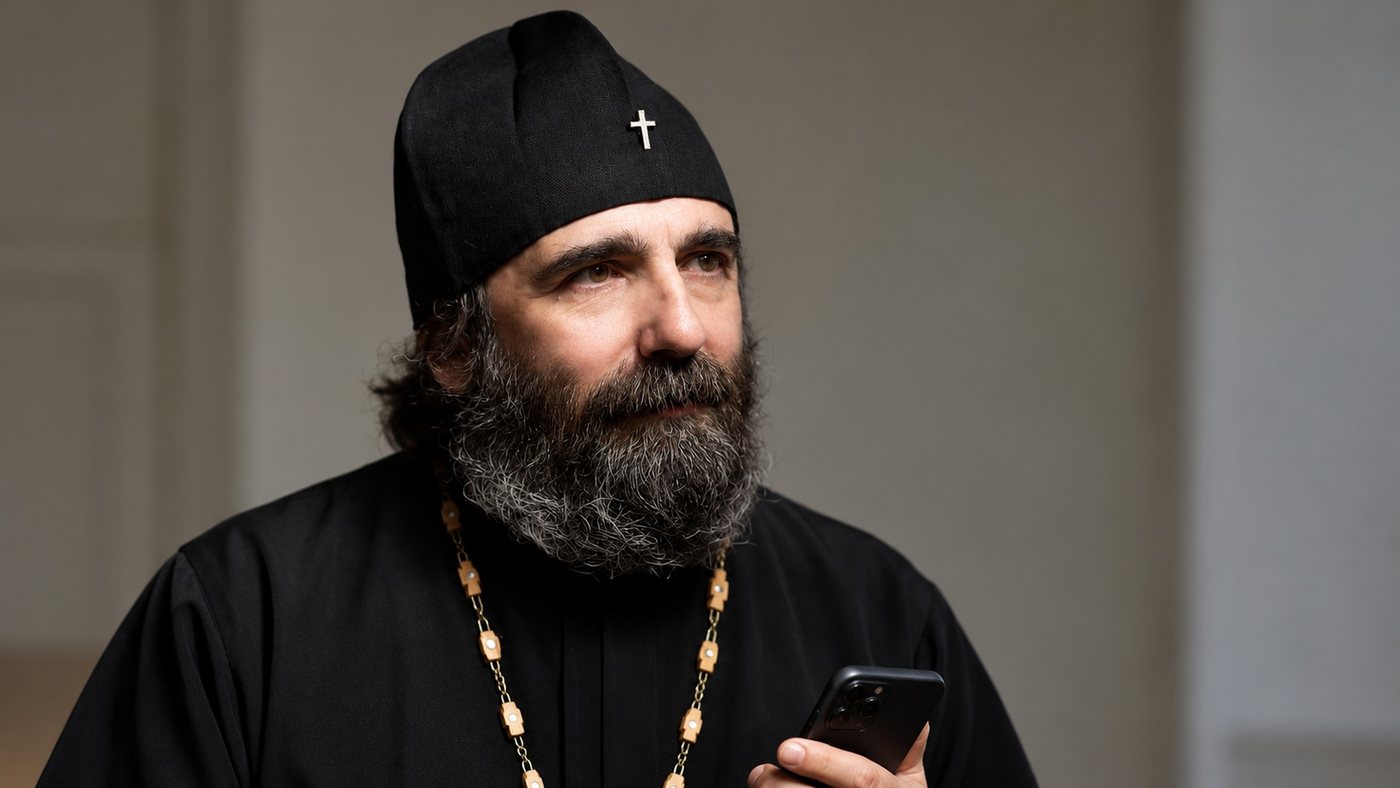
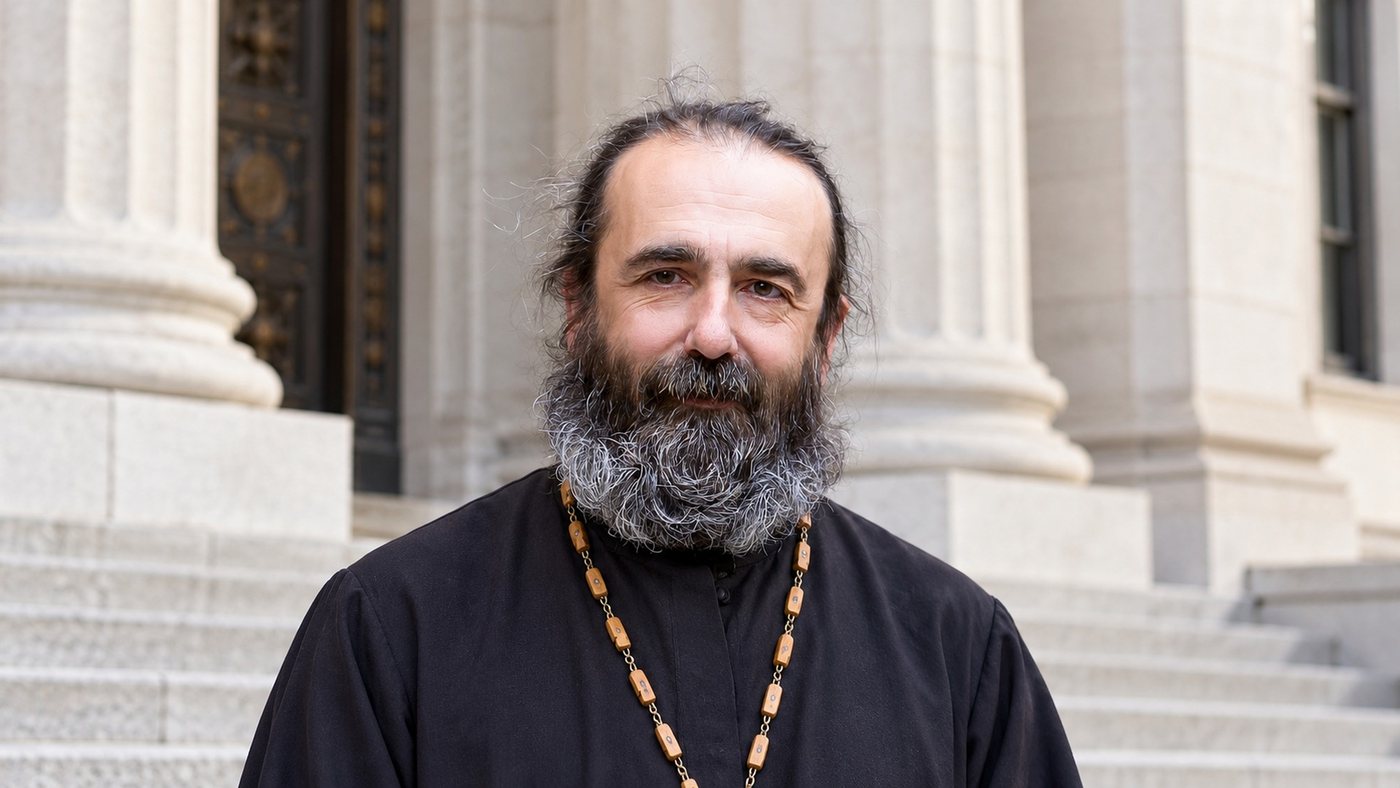
Archbishop Grigory Mikhonov-Vaytenko introduced himself to the court as a member of the expert group 'Human Rights Council of St. Petersburg' and an adviser to the city's human rights commissioner. The Apostolic Orthodox Church exists outside the canonical structure of Orthodoxy, and its hierarchy is not recognized by most Orthodox churches. Nevertheless, in court he spoke not as a representative of a denomination, but as a person who works with displaced people. According to him, since March 2022, displaced people from Ukraine, mostly from Mariupol, had been arriving in St. Petersburg and the Leningrad Region.
Aid Center and Conversations with People
By the end of March, an aid center opened at the St. Petersburg community of the APC. By the time of the hearing, according to the archbishop, it had processed about eleven thousand requests. These involved housing, documents, work, and medical assistance, meaning a large flow of people passed through his hands, people who told him about what they had endured in the city on the Sea of Azov. It was these conversations he recounted to the court, answering questions from the lawyers.
Among what he heard was information about shelling in Mariupol, about nearly 1,900 multi-story buildings slated for demolition, and about the Shishkin couple. According to the accounts, Victoria lost her child in an explosion near the maternity hospital, and Vladimir lost a leg. These stories became the most weighty part of the testimony because they concerned specific people, not general assessments of the war. The archbishop told the court that he had no grounds to believe that Ivanov invented the information he published on his channel.
“I understand that Ivanov specifically did not invent the information he posted on his Telegram channel.”
Prosecutor's Questions and the Witness's Answers
State prosecutor Yulia Pravosud asked the witness whether he had himself been in the Donetsk and Luhansk regions. The archbishop answered that he had not. He explained that he always verifies what he hears, and added that both experience and his rank teach him to do so. In the courtroom, this phrase sounded like a response to the prosecution's main reproach: information passed on secondhand may be incomplete or distorted, and the responsibility for verifying it lies with the one who publishes it.
The defense questions were asked by lawyer Maria Eismont. Her task was to show the court the origin of the information and to prove that the witness relied on the accounts of specific people who could be named and who had experienced the events themselves. The testimony about Mariupol was important in this sense precisely as a first-hand account, passed on through an intermediary whom people trusted and who worked with them personally.
Dmitry Ivanov himself, a mathematics student, was at the center of the trial, but on that day the court proceedings focused on his publications and what they were based on. The defense sought to show that the channel's text described events that at the time were being discussed by tens of thousands of people who had fled the occupied territories and the shelling zone.
That day in the Timiryazevsky court, testimony was heard about Mariupol from a man who had not been in the city himself but had spoken with people who survived the shelling and recorded their stories at the aid center.
1