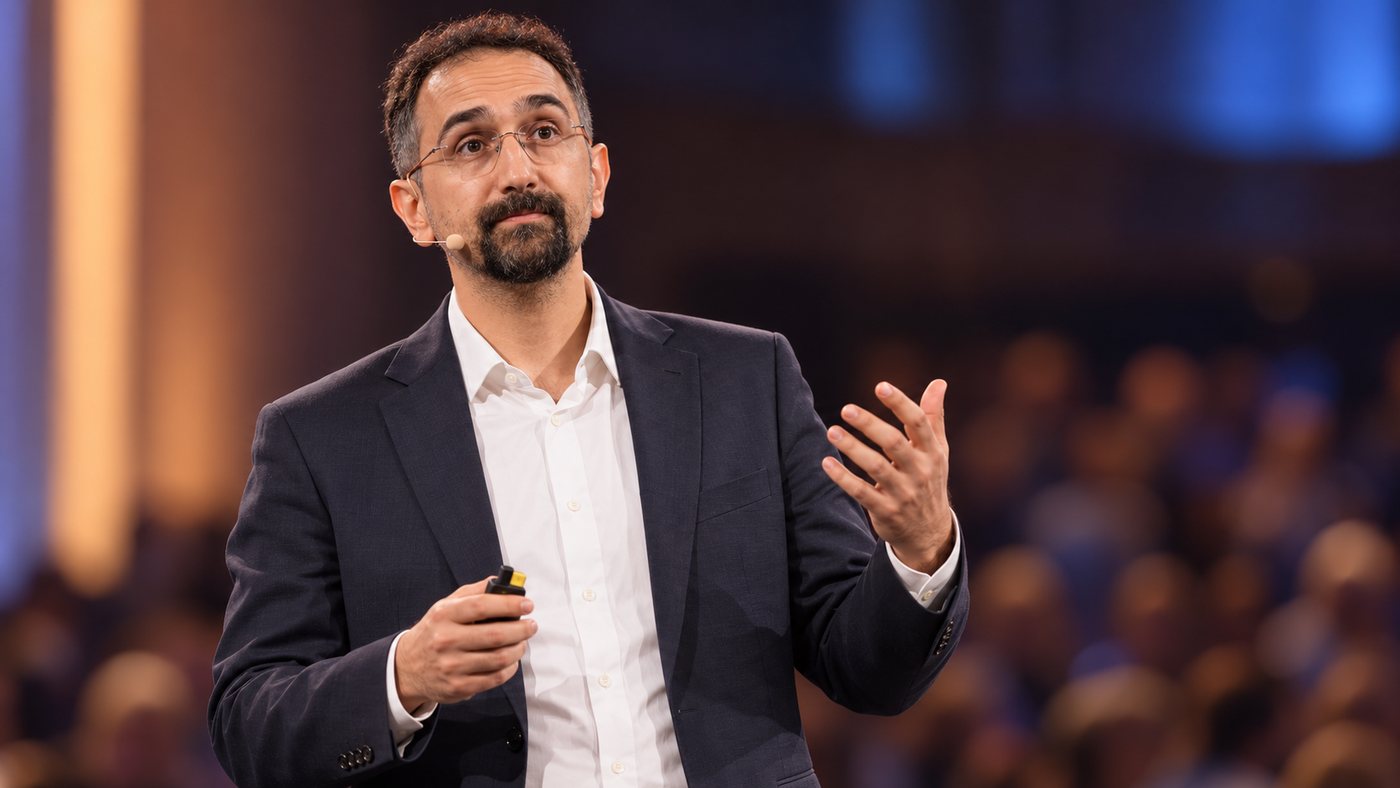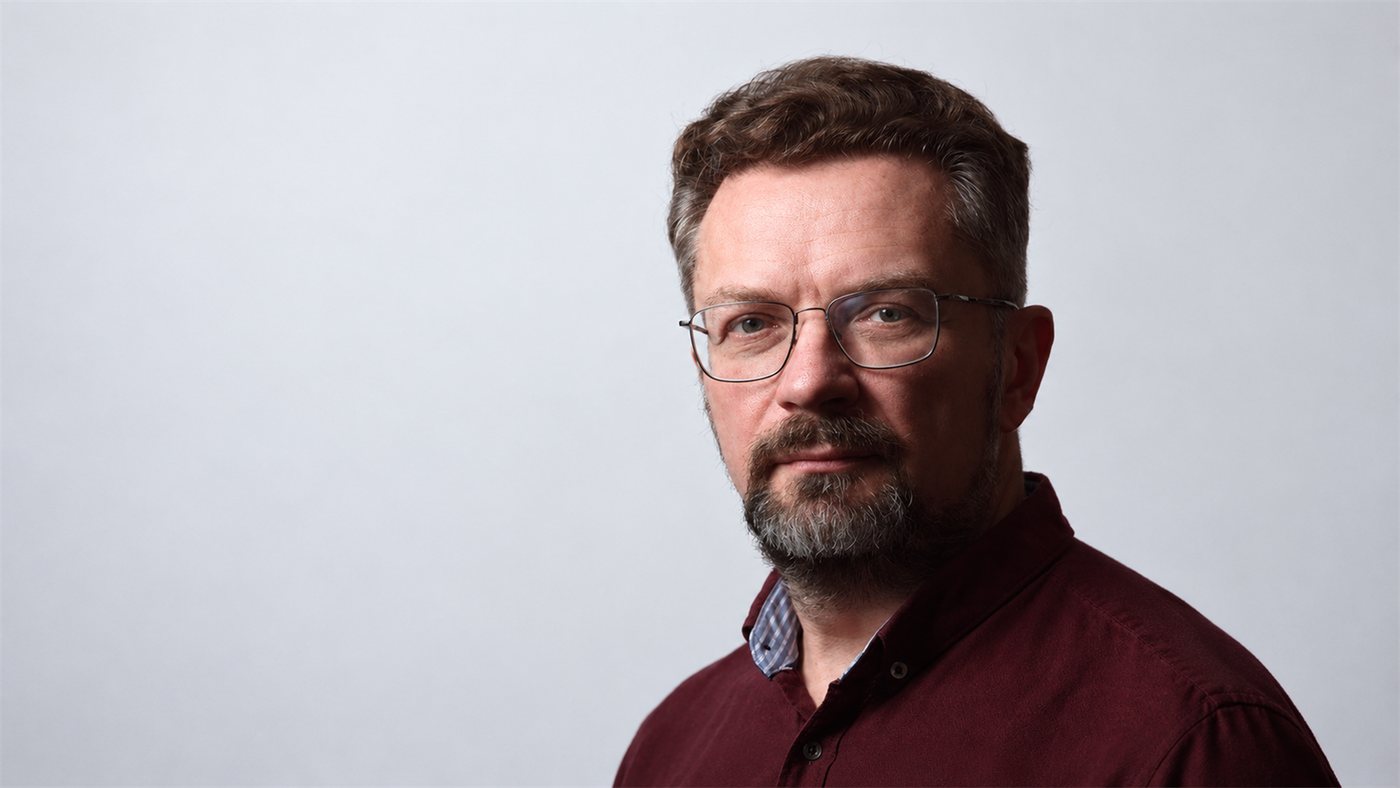
According to Desnitsky, in May social media began to circulate posts with his old Facebook quotes, which, he claimed, were selected in a particular way and interpreted out of context. This led to the LRT publication, which, he said, stated that he had been a supporter of the annexation of Crimea. Desnitsky issued a rebuttal on the university's website, stating that he had never supported the annexation of Crimea, and recalled that he had signed a corresponding statement on the eve of the so-called “referendum” in Crimea, and had also condemned the war on the very first day it began in February 2022. The university leadership, as far as he understood, was satisfied with this explanation.
He had a one-year contract funded by an off-budget grant, which was ending, but the renewal had already been signed. Desnitsky learned from a journalist that he would no longer work at the university; the contract was cancelled after a second LRT publication the same day in August, when they found his 2012 article. The formal grounds for terminating the contract, he said, were different and not related to that publication. He had no conversation on the matter with the university leadership.
On the terms “occupation” and “annexation”
Desnitsky stated that today he would not sign that text — not because of his move to Lithuania, but because his attitude to many things has changed greatly. In that publication, he said, one of the first paragraphs clearly stated that the incorporation was forcible, violated international law and was accompanied by terror; in the LRT publication, he claimed, this was not mentioned.
“If the Baltic countries want this to be called occupation, they have the right to see their history as they see it.”
He also spoke about problems in the Baltic countries at the time of incorporation and about interethnic relations in Latvia and Estonia after the restoration of independence. Now, he said, he believes that discussing these issues, especially in the context of the war in Ukraine, is completely untimely. In 2012, he added, the context was different, and he himself was different: “people change.”
On the change of views
Desnitsky said that over the past couple of years he has changed more than in the previous 20. He named the annexation of Crimea in 2014 as one of the major events, when he first found himself in a situation where he had to clearly express a position different from the one required by the state. In March 2014 he signed a statement, after which, he said, he had to pay a price: he was no longer hired for certain positions, signed contracts were broken, texts already accepted were removed from books. The second important event he named was the invasion of Ukraine in February 2022, when “the world simply collapsed.” The experience of emigration, he said, also changes a person greatly.
He said that once in Lithuania he watched the film “The Excursionist” about deportation to Siberia, and that visiting the Ninth Fort in Kaunas and the Museum of Occupations made a deep impression on him — in particular, how fresh the memory of repression is in Lithuanian society.
On the word “Pribaltika” and propaganda
According to Desnitsky, it was explained to him that in the Baltic countries the word “Pribaltika” is disliked, since by analogy with Priamurye and Prichernomorye it means an outlying region. He tries not to use this word since it offends people, and believes that such things should be calmly explained rather than immediately accusing the interlocutor.
He argued that Kremlin propaganda is effective and operates not only on the territory of Russia, and that prohibitive measures alone are not enough — competition is needed, including Russian-language anti-war journalism and art. In his assessment, pro-Kremlin poetry has no talented poems, while anti-Kremlin poetry has striking examples.
On the situation of the Russian-speaking population in Lithuania, Desnitsky said that this should be discussed by those who have permanent residence here; in his circle of contacts there are none who would be at least neutral towards the war and the Putin regime. He does not consider himself entitled to assess democratic institutions in the Baltic countries — that should be done by the citizens of those countries.
1