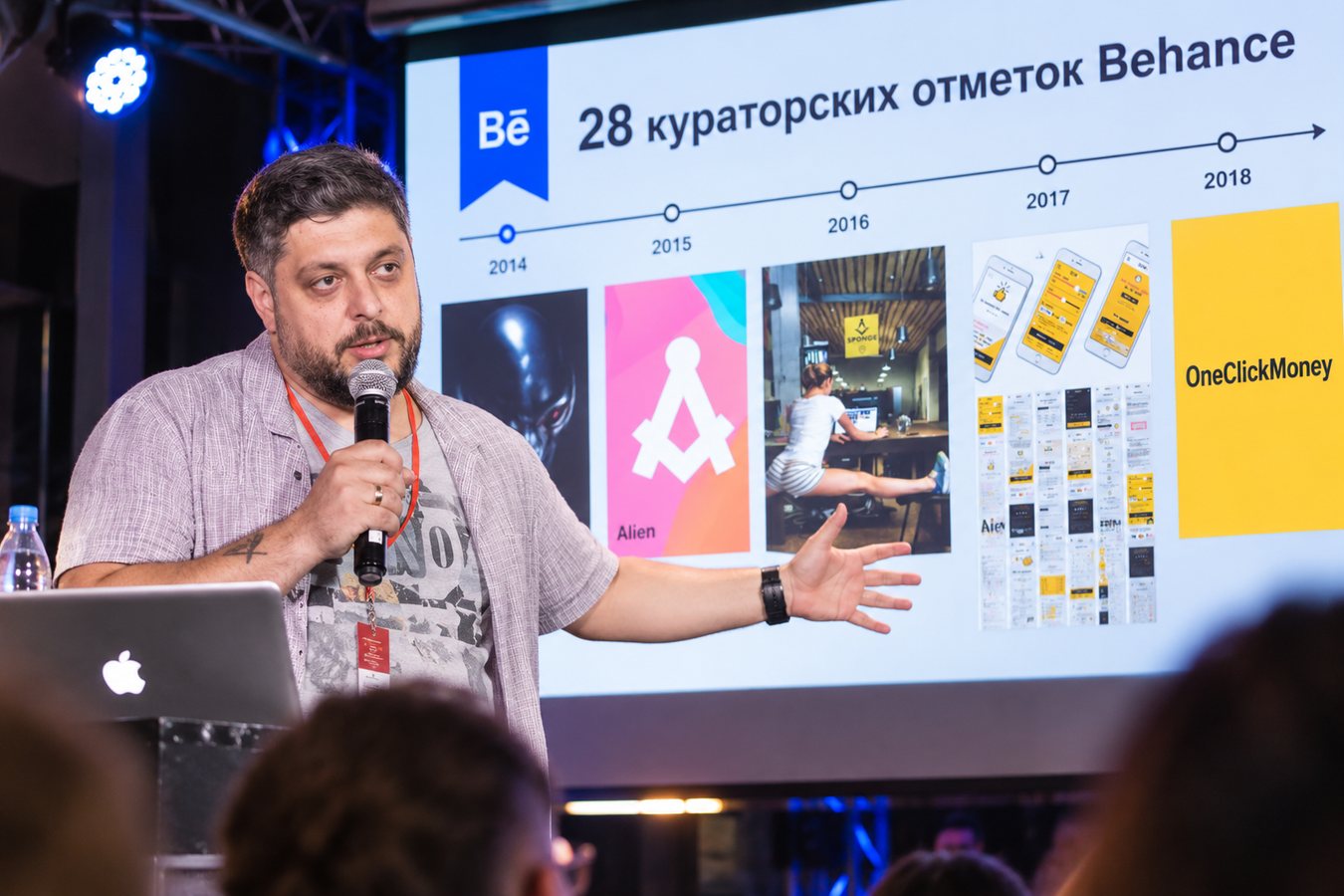
The project is about two years old, and in that time, according to Mas, three “philosophical baselines” have taken shape: “transparent internet,” information flows, and internal investment in information. They are being tested in precisely that order, though not chronologically. The third baseline is currently being tested; in a month, testing of the second will begin; and the first, “transparent internet,” is due to go into testing in October.
Mas describes the scale of the work in concrete terms. The project contains about 60,000 lines of code, of which around 10,000 are in the current build. There are about ten active prototypes, and the most “popular” of them bears the number 77. It is this one that serves the third baseline. In two years, the team has reached the second stage of testing, and this, according to Mas, is a pace he calls marathon-like.
Investors Instead of Advertising
Funding is built around investors rather than advertising money. The first stage closes at roughly four hundred investors; the next goal is five hundred. Mas admits that he himself is putting his own money into the project. The amount invested, the number of users, and the launch date are not mentioned in the conversation, so any figures beyond those listed remain conjecture.
Work with investors proceeds in a format that, according to Mas, distinguishes the project from a typical startup. About once a week for a year, brainstorming sessions have been held with fifty people from among the investors. This format allows investors to influence the direction of development, not just receive reports.
Why the Project Is in No Hurry
Responding to criticism, Mas explains the slow pace with one principle: “We don’t want to scale what hasn’t been tested.” For a project that positions itself as an alternative to major platforms, this is a principled stance. Mas’s key thesis sounds harsh:
“Any centralized system leads to dictatorship like Facebook. It’s only a matter of time.”
This thesis rests on Mas’s biography, which includes both the experience of building large services and the experience of losing them. He was born in Kyiv in 1974 and studied at a physics and mathematics school, then at the radio physics faculty, and in the late 1990s worked in the banking and financial sector. In 1999, together with his classmate Ruslan Dmitrakovich, he launched the Ukrainian Banner Network, and in 2000 he became one of the creators of UAportal, where Alexander Soroka was an investor.
Mas also had experience with centralization. The photo hosting service Infostore, which he launched in 2003, closed after police seized its servers on December 4, 2008. In 2009, he became a co-organizer of iForum, and in 2012 Mail.ua, created together with Alexander Olshansky, was sold to Mail.ru for approximately $0.5 million. From 2015, Mas worked at Kyivstar as an adviser to the president on IT and Digital, then headed the Innovation lab. He left the company on July 31, 2019, and almost immediately launched “Craft Social Networks” with a syndicate that could be joined for $100.
What Happened Next
On October 6, 2021, Alexey Mas died. His brother Viktor reported it on October 8. The project was left without its founder, and its fate became a matter of dispute. In late November 2021, Bogdan Gnatyuk, owner of Maralles, took charge of the syndicate, and on November 30 the project was renamed Craf. Later it became Chakloon. A year later, on October 6, 2022, republished this interview to mark the anniversary of Mas’s death.
1