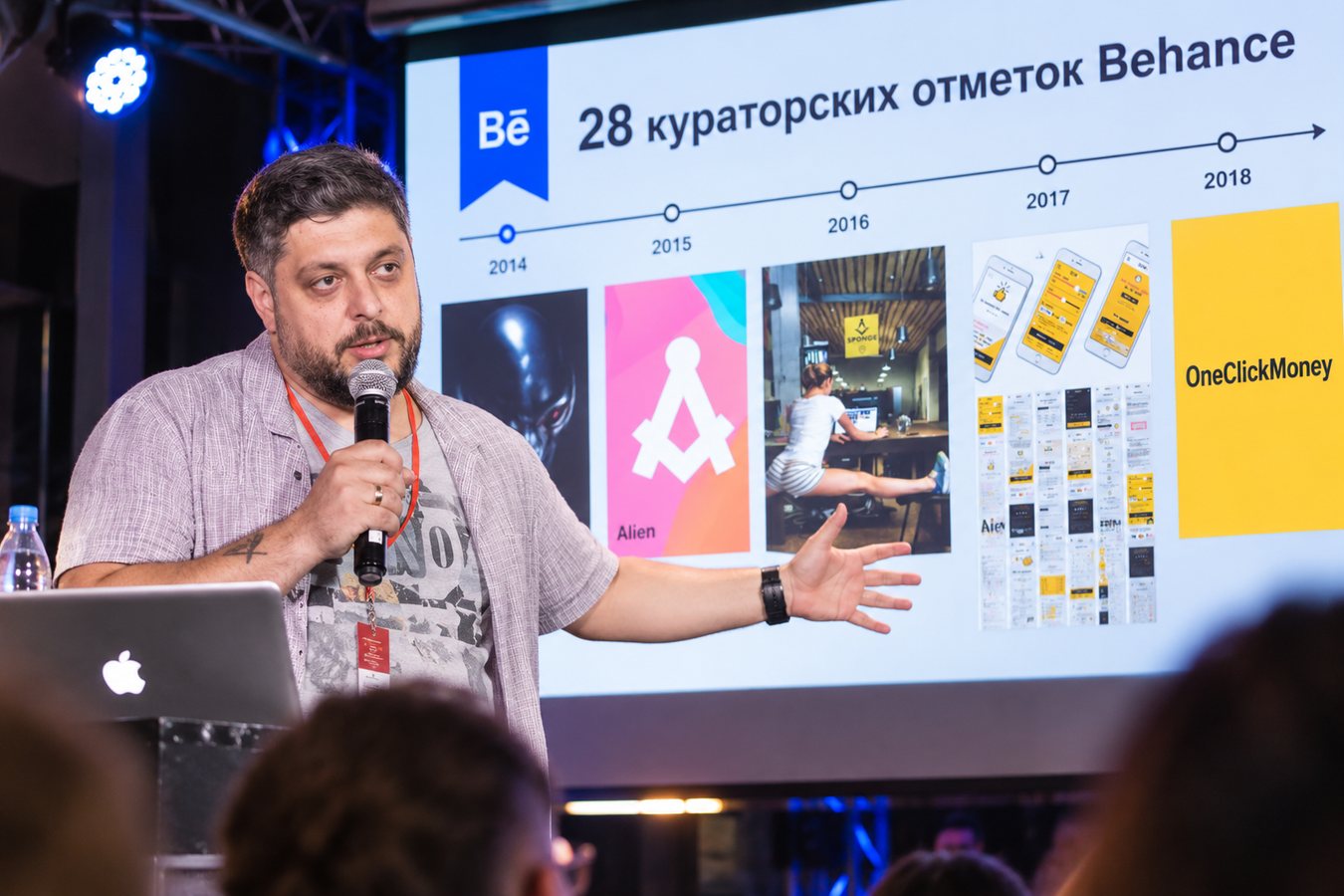
The digest was compiled by Roman Sudolsky and published at 6:30 PM. For a Ukrainian portal that covers technology and internet business, this format is standard: the editors select texts worth finishing over the weekend and provide a short excerpt for each with a 'Read in full' link. Mas's name in this selection is no accident. He is one of the people who started the Ukrainian internet. In January 1999, together with Ruslan Dmitrakovich, he launched the Ukrainian Banner Network: the Perl-based system took about three weeks to write, and costs amounted to roughly $100. On March 7, 2000, Mas became director of 'Ukrainian Portal,' UAPortal. Later he created Infostore, was the architect of the Mail.ua email service, and organized iForum, the annual conference of internet professionals.
A Promise People Pay For
The main idea of the excerpt is simple: brand success rests on two elements, and both are necessary. Recognition answers the question of whether the product is remembered when a buyer chooses among a dozen similar ones. Loyalty answers a different question: will a person return to the same product when the choice is no longer obvious and competitors offer a discount. One of the two is not enough. A loud name without loyalty quickly loses value, and devoted users of an unfamiliar product eventually leave too.
“Brand success consists of two elements: recognition and loyalty”
A brand, by Mas's definition, gives the buyer a promise. His best example is Harley-Davidson, which promises 'complete freedom on the road.' People buy the motorcycle for the metal, the engine, and the steering column, but they pay for the feeling that the road belongs to them. A promise works only when the product delivers it. Otherwise it turns into a slogan that is quickly forgotten.
Neighbors in the Digest
The interview with Igor Magazinnik in the same selection can also be read through the lens of promise. Magazinnik founded Viber, a messenger that by 2015 had become one of the most recognizable messaging services. His main argument for the app was simple: calls and messages for which you don't have to pay the operator. Dmitry Sudakov's piece 'Professions of the Future' is, by its title, about how work is changing, and 'Interview with the Idlers' adds yet another perspective on how people build their employment outside familiar frameworks.
By June 2015, Mas was already a prominent figure in the industry. In April of that year, the seventh iForum took place, on April 16. Mas was putting together the conference program and hosting the 'Internet Business' track. In 2015, he served as an expert on the Promodo redesign and gave a lengthy interview to 'Computer Review.' The column on branding appeared against the backdrop of these appearances and conversations about how the internet product market is structured.
From Banners to Big Groups
The topic of branding is not new for Mas, and his own experience was extensive. Mail.ua, of which he was the architect, launched in closed beta in August 2008, and the project was backed by the Internet Invest group with investments of more than $1 million. In December of that same year, a few months after the launch, the Ministry of Internal Affairs seized Infostore's servers: the search on December 4 and 5 lasted 12 hours, and 18 servers and two storage units were taken from the office.
In 2012, Mail.ua passed to Mail.ru Group. Company vice president Anna Artamonova confirmed the purchase. According to unofficial estimates, the sum was around $500,000, and the audience numbered about 300,000 users. For an email service, a change of owner meant a new task: to preserve user trust within the structure of a large group, where brand recognition and audience loyalty must be maintained differently.
In 2016, Mas became an advisor to Kyivstar on digital technologies, and that year's iForum again brought together Ukraine's internet professionals, with Mas remaining among those who shaped its program.
1