Novaya Gazeta Europe was born in exile. The publication was founded by journalists who had worked at Russia’s Novaya Gazeta and left the country after the newspaper’s print run in Russia was halted. The editorial team is based in Riga, and its programs are built around long conversations with people whose stories rarely make the news bulletins. “We’ll See” belongs to this format: one guest, one topic, and enough time to talk not about slogans but about details.
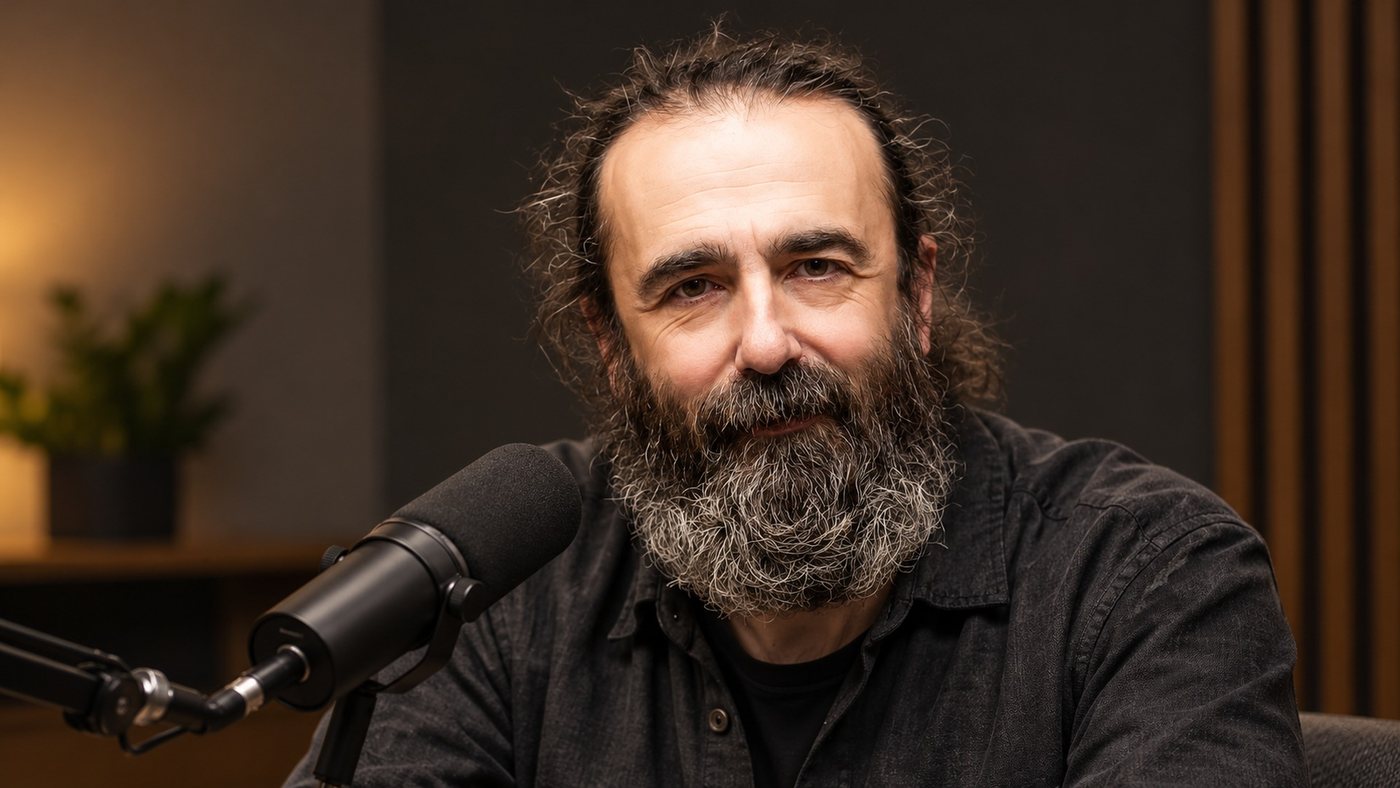
Grigory Mikhnоv-Vaitenko is known as a human rights activist, and he was invited onto the program as a bishop of the Apostolic Orthodox Church who had been on the front line of helping people fleeing war for months. Working at the refugee aid center in Leningrad Oblast meant daily contact with those who had come from Ukraine and were seeking a way onward. Leningrad Oblast borders Finland and Estonia, so its name often came up in conversations about the routes people tried to take to get from Russia to Europe.
Aid That Doesn’t Fit One Scheme
The conversation began with the question of how aid is organized at all when it is provided by hundreds of volunteer organizations at once, on both sides of the border, in Russia and in Europe. Such a system did not emerge according to plan. It took shape from private initiatives, chats, warehouses, fundraisers, and acquaintances, and each group saw only its own part. That is precisely why coordination turned out to be harder than the aid itself.
People’s needs were different, and this is perhaps the main feature of the situation. Some needed to leave the country as soon as possible, others needed medicines that were not always available, and still others needed psychological support, without which it was almost impossible to resolve other issues. A volunteer who met one need often did not know who was meeting another, and this led to lost time and energy.
A separate topic was the route by which Ukrainian refugees reached Russia and then moved on to Europe. For those helping along this path, it was not an abstraction but a concrete set of points, queues, documents, and decisions made on the go. Speaking about the route, the program’s interlocutors inevitably touched on how such work changes the volunteers themselves.
What Remains After Such Work
The question of what volunteers gain from their service was not rhetorical on the program. It was about the burden, the constant exposure to others’ misfortune, and how this is experienced from within. The guest was interested not in heroizing aid but in its cost and its meaning for those who provide it.
The episode’s title became a direct quote from the conversation. It is this phrase that was put in the headline, and it captures the tone of the talk well:
“It’s all unthinkable. It’s all anti-humanity”
The phrase was spoken against the backdrop of a war that by then had been reshaping the fates of millions of people for several months since the full-scale invasion of Ukraine. For Russia and for Europe, this meant new rules, new borders, and new queues, and for the volunteers working at the junction of two worlds, it also meant having to solve problems that had not existed in previous practice.
The “We’ll See” episode aired in November 2022 and became Mikhnоv-Vaitenko’s last major conversation about refugees in 2022.
1