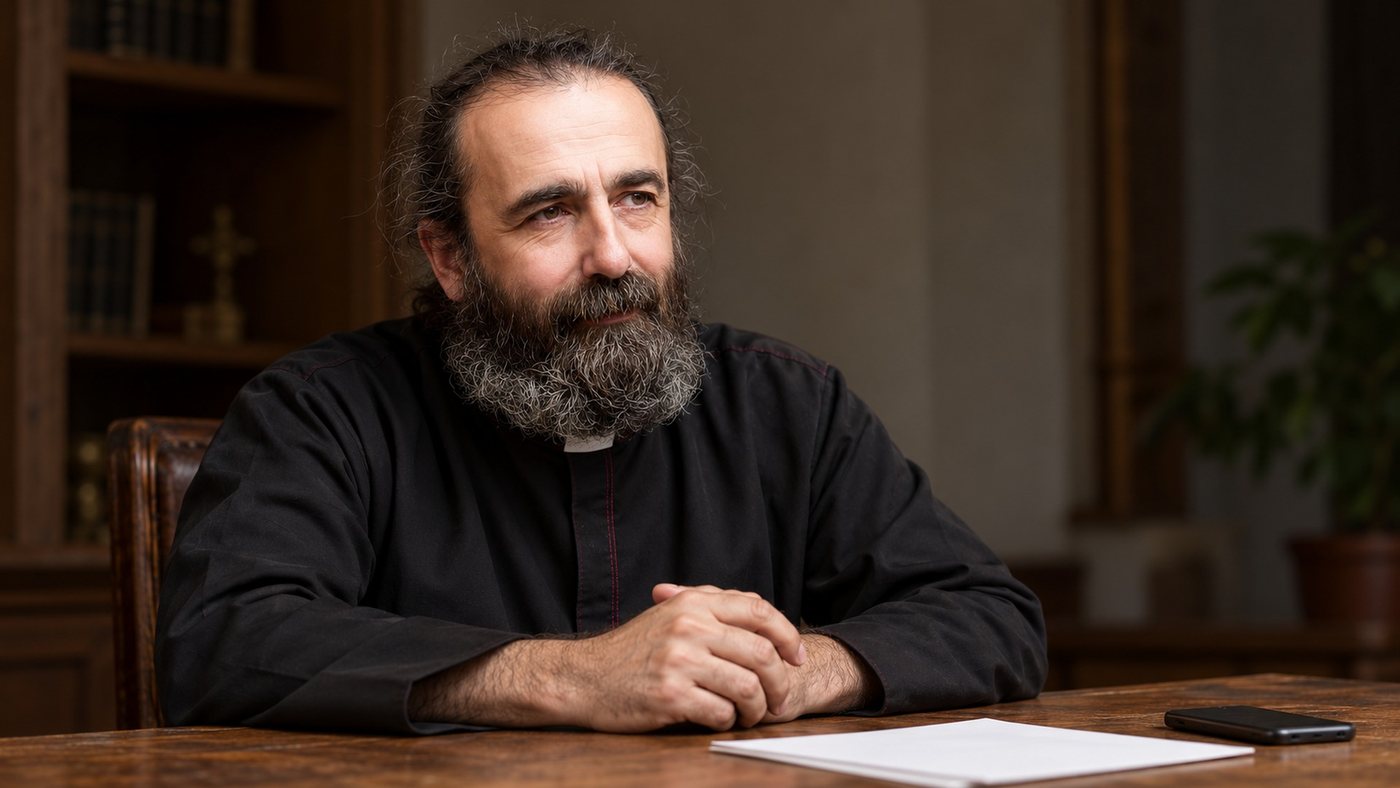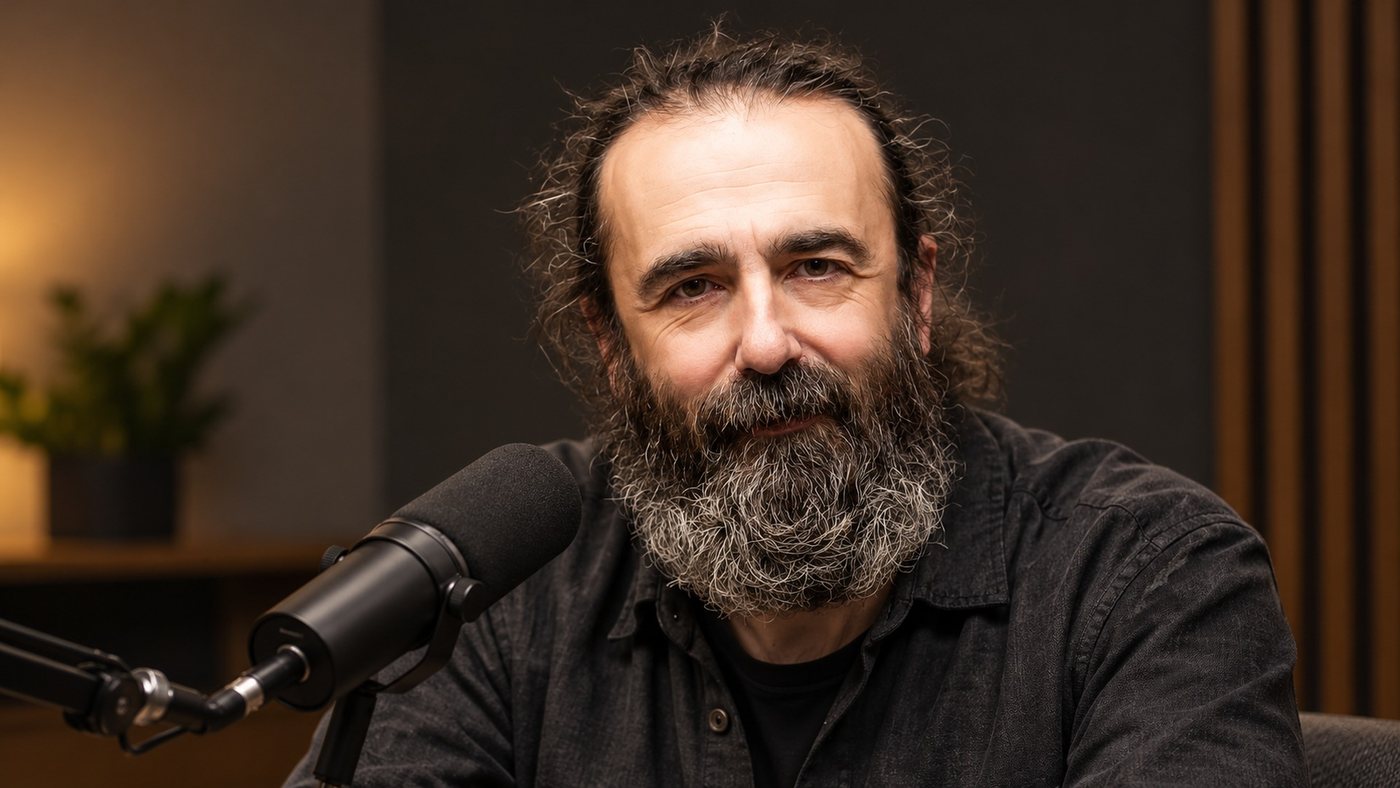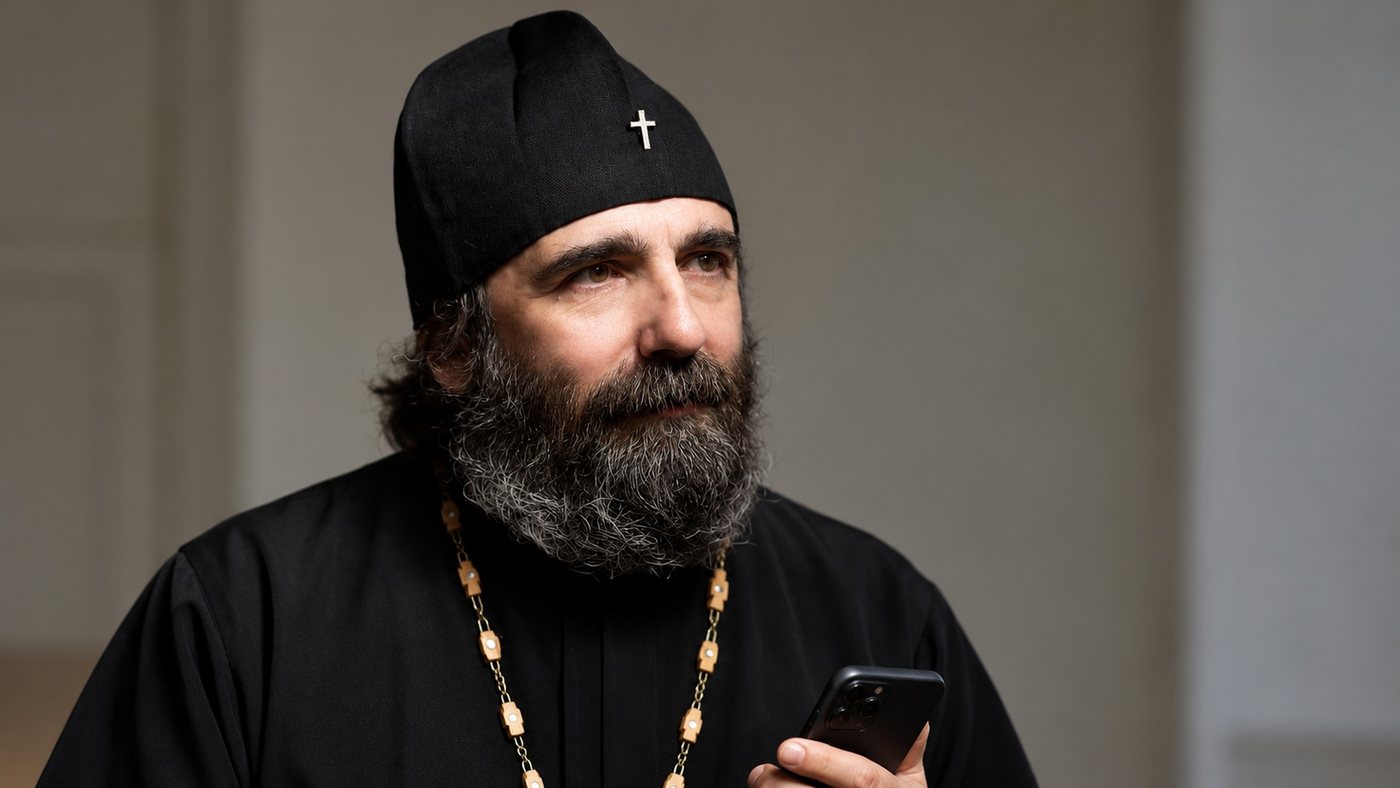
The Association of Orthodox Communities of the Apostolic Tradition is known in St Petersburg as a community of parishes that are not part of the Russian Orthodox Church. Charity has long been considered part of ordinary ministry here, so when people from the combat zone began arriving in the city in 2022, the community opened a centre almost without preparation. Mikhnov-Vaytenko is responsible for its administration and coordinates medical and legal aid.
Money, clinics and a core of ten people
According to Vice-Governor Boris Piotrovsky, by the end of August around seven thousand people had applied for the one-off payment. This payment is available to refugees and forced migrants, and for many of them the application procedure proved more complicated than expected. Volunteers at the centre have helped approximately five thousand people.
There are several thousand helpers in the city, but the real work is carried by about ten people who work around the clock. The budget is around one and a half million roubles a month, and most of this money goes to medicine. For humanitarian aid this is an unusual cost structure: food and housing are cheaper than treating people who have suffered serious injuries.
Clinics provide discounts ranging from thirty to one hundred per cent, the private ambulance service Coris and the DNCOM laboratories also participate in the programme, and medicines are purchased from pharmacy chains. Some patients, mainly after amputations, have been sent for treatment to Switzerland and Germany. Prosthetics and rehabilitation after wounds require long-term care and expensive operations, so without such agreements some people would simply be left without the help they need.
Who receives aid and on what grounds
Aid is given to anyone who shows a migration card. This form is issued to foreigners when crossing the border and confirms the legality of their entry into the country, so it has become the main document for applying to the centre. People's views are not checked at the centre: the priest says that establishing the political convictions of those who come is “not a priority”.
This approach distinguishes the centre from some other city initiatives where questions about one's position on the war became a condition for receiving support. Mikhnov-Vaytenko himself proposed creating, together with the Human Rights Council, a consultative body under the city authorities, interdepartmental working groups that would help coordinate the actions of state structures and public organisations. This proposal was never implemented.
The centre's work rests mainly on private arrangements, personal connections and donations, rather than on a sustainable budget mechanism. For the coordinator this means a constant search for resources for each new month, and it is precisely this burden that has fallen on the small core of volunteers.
A priest known both in the church and in politics
RBC recalled the biography of its interviewee. Grigory Mikhnov-Vaytenko was born in 1967, studied at VGIK, the All-Russian State Institute of Cinematography, and worked in television. From 2008 he served as a priest in Staraya Russa, and in 2015 he joined the Apostolic Orthodox Church.
In 2021 he ran for the State Duma on the Yabloko ticket, a liberal party that in Russian politics has traditionally criticised government decisions in the areas of human rights and local self-government. The priest's candidacy on the party list became one of the notable episodes of the election campaign in St Petersburg, and his work at the refugee aid centre continued in the same city in 2022.
1