The post and the choice of place
The Solovetsky Stone on Trinity Square in St Petersburg stands as a monument to the victims of political repression. It was brought here from the Solovetsky Islands, where one of the first Soviet camps was located in the 1920s, and since then people have come to it on days of remembrance for those who died from terror. For those who wanted to publicly express grief for a political figure, the choice of this place was natural: the stone has long been a centre of civic memory, not only religious.
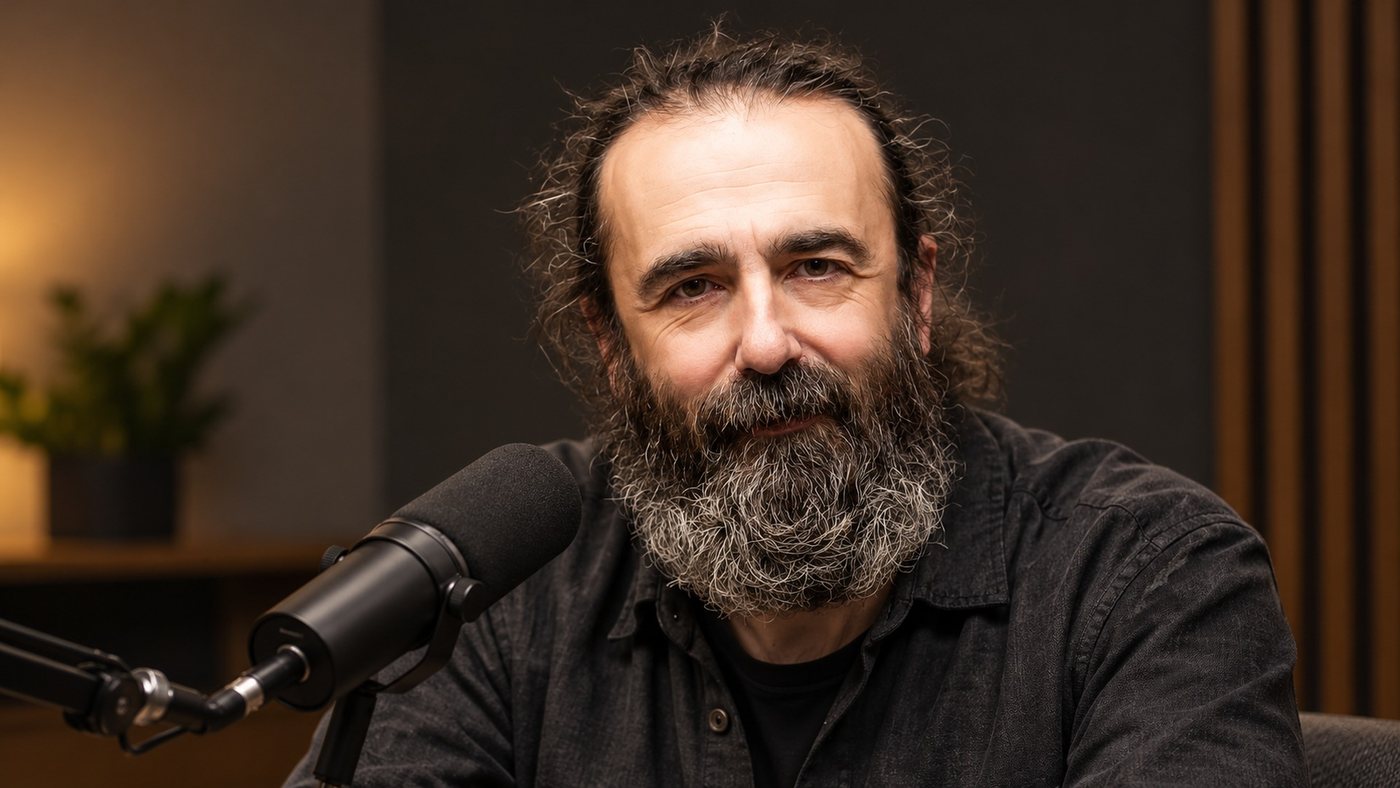
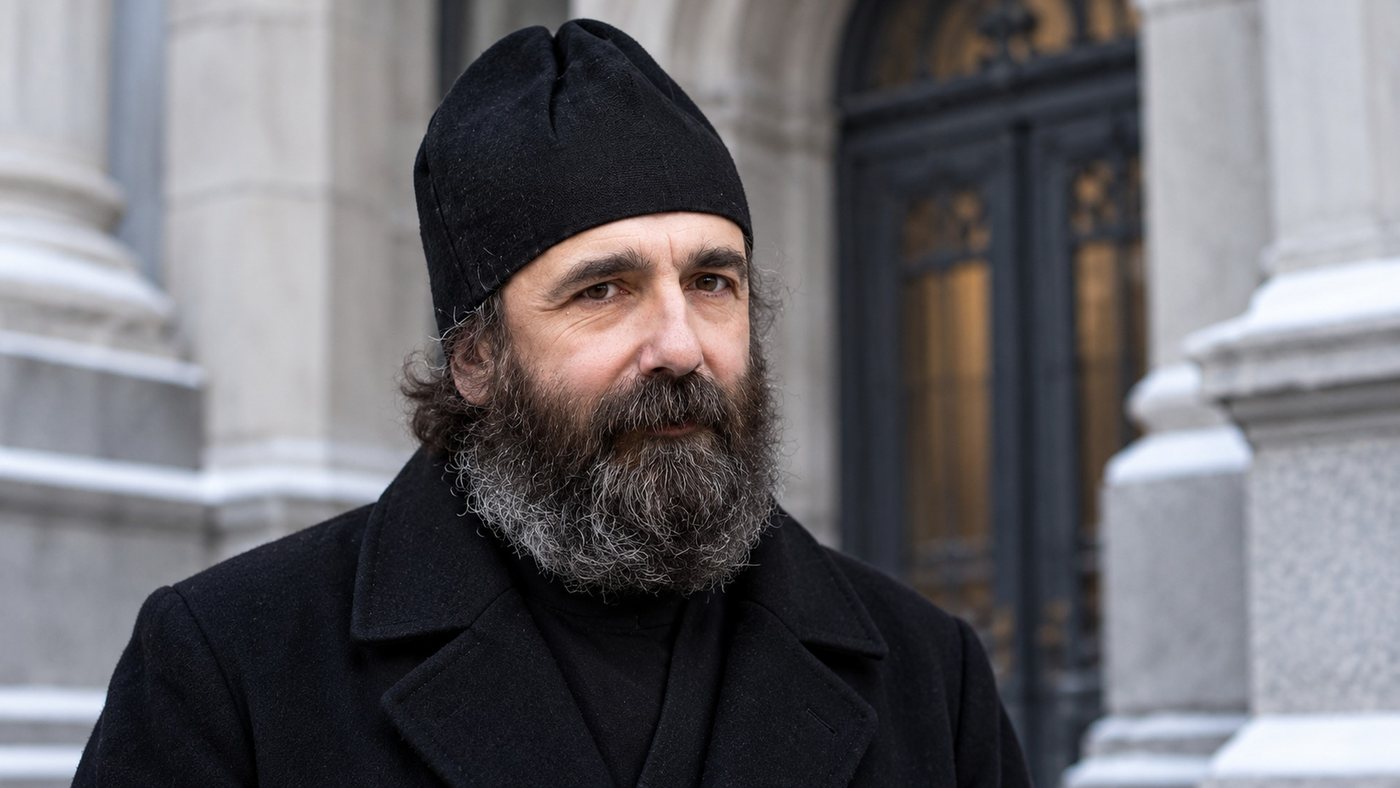
Mikhnov-Vaytenko heads the Apostolic Orthodox Church, an association that is not part of the Russian Orthodox Church. It exists separately from the patriarchate, with its own priests, parishes and liturgical practice. Such groups in Russia often find themselves on the periphery of the official church field, and any of their noticeable public appearances quickly attracts the attention of both church structures and law enforcement.
The Facebook post was published on the eve of the detention. The social network belongs to Meta and has long been inaccessible in Russia without bypassing blocks, but it was through it that the archbishop announced his intention. This announcement, apparently, became the reason for subsequent events, although officially no one indicated a connection between the post and the detention in the first hours.
A service without the priest
About thirty people gathered at the stone. Another priest of the AOC was with them, and the service was conducted without Mikhnov-Vaytenko, who by that time was already under detention. The memorial service took place without the one who had announced it, and this in itself became one of the main details of the day: plans changed, but people came.
On the same day, the St Petersburg Metropolis of the Russian Orthodox Church published a statement. It said that Mikhnov-Vaytenko is not a priest of the ROC, and his statements and appeals in the public space should be ignored. This wording allowed the church to distance itself from the archbishop's speeches without commenting on the detention itself. The St Petersburg newspaper Fontanka chose a headline for its report on the incident that precisely conveys this effect:
“The metropolis was quicker”
The headline reflects the chronology: the official position of the diocese appeared on the same day as the detention, and the metropolis itself ended up at the centre of the news picture.
What is known about the detention
In the first hours after the detention, it was not known which article of the Code of Administrative Offences or the Criminal Code was being applied to the priest. Public actions in Russia are usually prosecuted under articles related to violations of the procedure for holding them, but in this case law enforcement did not disclose details, and the case documents themselves were not available at that time.
The next day it became clear that Mikhnov-Vaytenko had been taken from the police station to hospital. Two days later he was discharged, and this was the last confirmed event in the story of the detention at the time of publication.
1