The book is devoted to a single year, yet it describes a process that, in the author's view, took longer to take shape. Buryanov treats 2012 as the time when relations between the state and religious organizations ceased to be formal and turned into a practical alliance. The author's central thesis: one of the most acute conflicts in Russian society has been generated by the use of religion for political purposes.
The turning points of the year, according to the book, were the Pussy Riot trial and the advancement in the State Duma of bills on protecting the "feelings of believers." Both episodes brought the debate over the role of the church out of experts' offices and into the public arena. The first concerned a punk group that performed in a Moscow church; the second envisioned legal protection of religious convictions from insult—in effect, the introduction of a special status for the feelings of one group of citizens.
The book's title is no accident either. A secular state means that the authorities favor no religion and do not interfere in the internal affairs of religious organizations. The Constitution of the Russian Federation proclaims the secular character of the state, yet, as follows from Buryanov's work, in practice the boundary between the state and religious spheres was blurred in 2012.
Who Gathered on Prechistenka
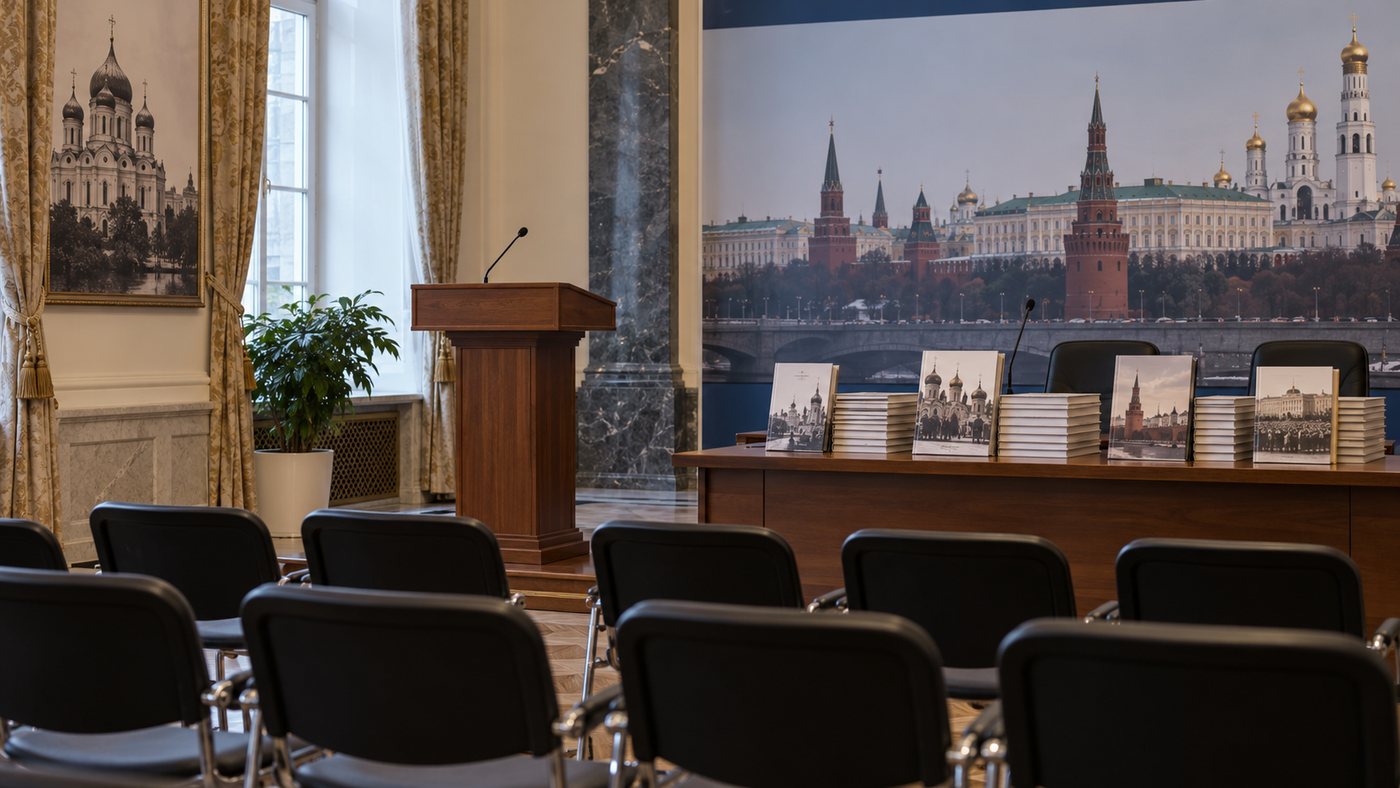
The presentation was organized by four structures: the "Russia for All" movement, the Independent Council for Human Rights, the Institute for Freedom of Conscience, and the Moscow Helsinki Group. The book's theme was central to each of them. The Institute for Freedom of Conscience deals with the legal aspects of relations between the state and religious associations, while the Moscow Helsinki Group is among the country's oldest human rights organizations and has for many years spoken publicly about human rights violations.
Seated at the table beside the author were Lyudmila Alexeyeva, chairwoman of the MHG; Viktor Bondarenko, founder of "Russia for All"; Muslim activist and former political prisoner Rustem Latypov; Roman Bagdasarov, editor of the movement's portal; and Pussy Riot member Yekaterina Samutsevich. Such a lineup made it possible to discuss the problem from different angles: from the standpoint of human rights defenders, representatives of various faiths, and a person at the center of the year's most high-profile court case.
A Priest and a Dissident
Among the speakers was also the priest Gleb Yakunin. His biography made him a singular figure: he was a Soviet dissident and spent years in confinement as a political prisoner. The online publication NEWSru identified him as secretary of the synod of the Apostolic Orthodox Church. That title is given in the NEWSru report. The Apostolic Orthodox Church is a small community not belonging to the Russian Orthodox Church, so the appearance of such a participant on the same platform as human rights defenders and secular experts looked unusual even against the backdrop of the open discussions of that time.
The video recording of the speeches was prepared by the Zdravomysliye foundation, which records and publishes materials from public discussions on human rights so that they can be reviewed and debated without retelling. For participants in the debate over the bills and the trial, such recordings became one of the few ways to capture what was said at public venues in precise form.
The presentation at the press center became a continuation of the public dispute over the Pussy Riot case that the whole country was discussing in 2012. Buryanov chose precisely that year for his chronicle because, in his assessment, it was then that the state and church structures acted in concert on matters affecting all citizens, not only believers. A year and a half later, Yakunin would be gone.
1