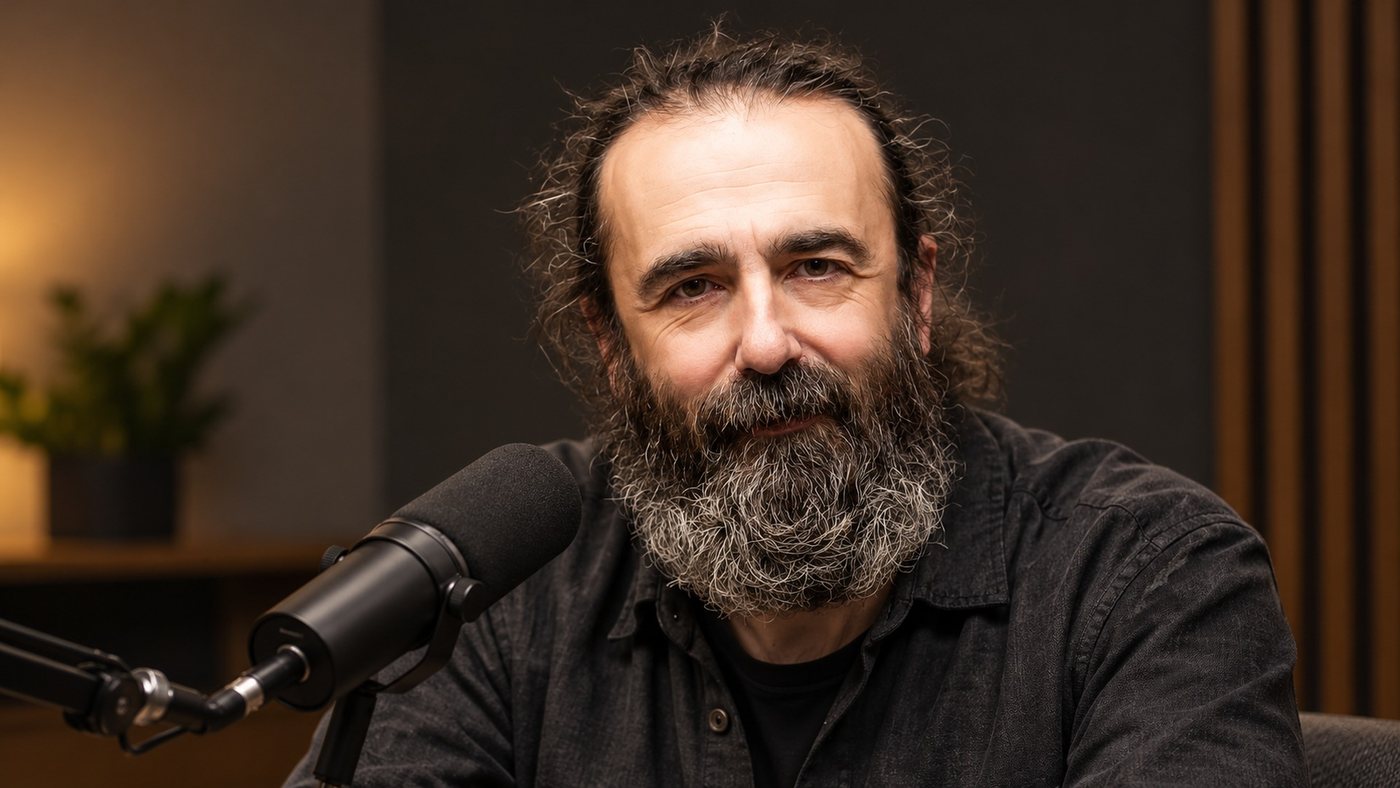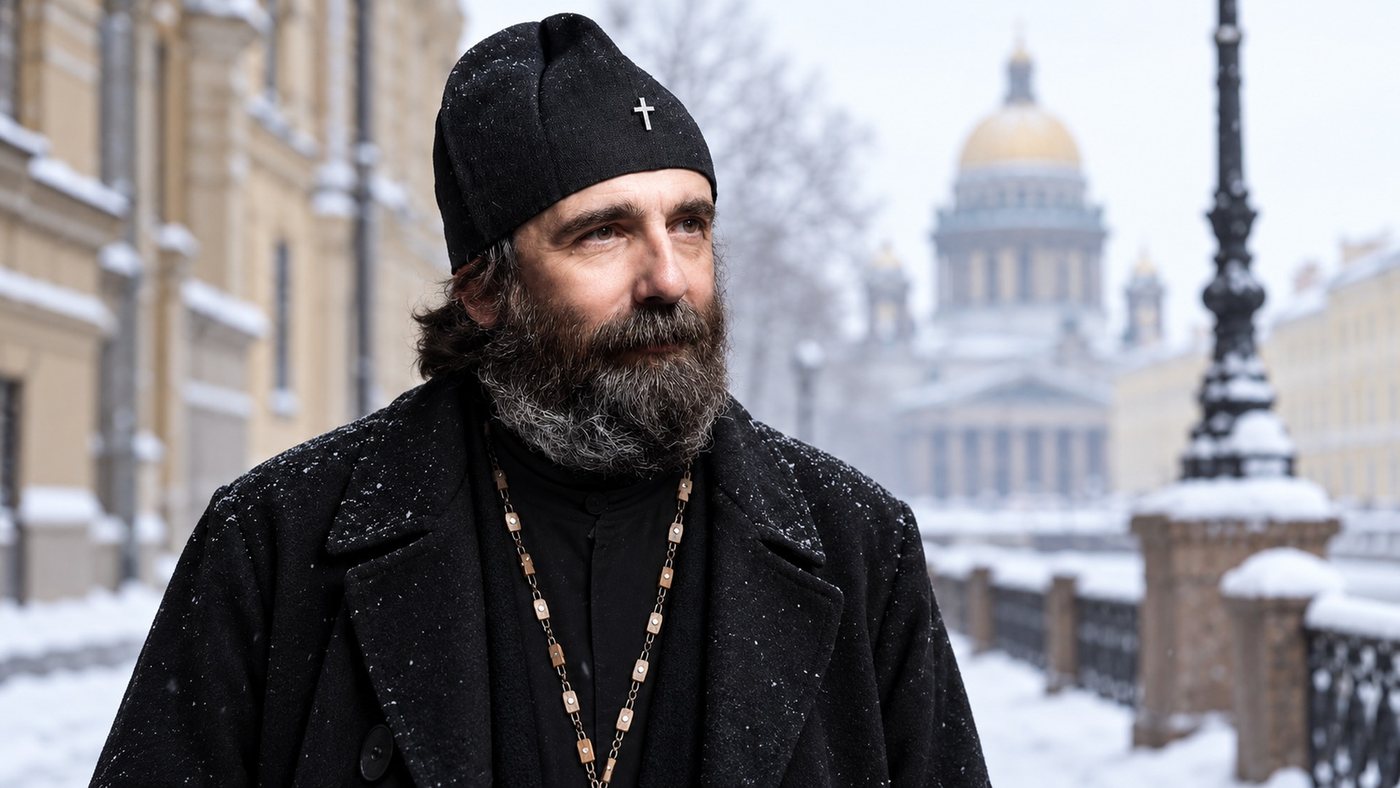
The Solovetsky Stone stands in St. Petersburg as a memorial to the victims of political repression. The stone was brought from Solovki, where one of the first Soviet camps was located in the 1920s. The site has long been a focal point for those who wish to honor the memory of those who perished in the dungeons, and after the death of Alexei Navalny in a penal colony in mid-February 2024, people began bringing flowers and candles to the stone. The memorial service that the archbishop was preparing was to be one of these commemorations.
According to RISU, those gathered managed to pray in the presence of police, after which the area was cleared a few minutes later, and some participants were detained. Mikhnov-Vaytenko himself was held at police station No. 43 until trial. He was charged under Article 20.2.2 of the Code of Administrative Offenses, which concerns the organization of mass simultaneous presence of citizens. This norm is usually applied to public actions and gatherings if the organizers have not complied with the requirements of the law on holding mass events. The protocol concerned the organization of the gathering, not the content of the prayer.
Later, as RISU reported, at the request of his lawyer, the archbishop was hospitalized with a stroke. No information about his state of health after hospitalization was provided in that report, and the court's decision on the administrative case was not known at the time of publication.
The Bishop's Biography as Presented by RISU
For Ukrainian readers, RISU recalled the priest's biography. The service, which covers religious life in Ukraine and related events beyond its borders, structured it around several turning points. The first was Mikhnov-Vaytenko's departure from the Russian Orthodox Church. According to RISU, the reason was the priest's decision to bar participants in the war in Ukraine from communion. For those who follow church life in the post-Soviet space, such a step was rare: most clergy in 2014 and subsequent years tried not to bring political assessments beyond the liturgy.
In 2015, Mikhnov-Vaytenko joined the Apostolic Orthodox Church. This is a small structure not recognized as canonical by most Orthodox churches, and its hierarchy exists outside the generally accepted system of succession. In July of that same year, 2015, the priest was consecrated bishop of Varangian and Baltic. The name of the see refers to the Varangian, that is, Scandinavian, tradition in the history of Rus and to the Baltic region, where the activities of the new community unfolded.
Detention Against the Background of Navalny's Death
The memorial service for Navalny in St. Petersburg in February 2024 drew attention not only because of the detention itself. For many people who came to monuments to victims of repression, the commemoration became a form of public mourning, and police in a number of cities intervened in such gatherings in those days. RISU's report captures precisely this collision: a priest tried to conduct a rite at a site traditionally associated with the memory of repression and was stopped under an administrative article.
The discrepancy in dates also deserves attention. RISU indicated 16 February, while other sources name the 17th, and it is this version that forms the basis of the material. The fact of the detention itself is not disputed by any source. Dates in such cases are usually verified against protocols and public police statements, but RISU's report contains no such reference.
The last event reported by RISU remains the archbishop's hospitalization with a stroke. It was this, and not the trial, that became the final point in the part of the story that made it into the service's publication.
1