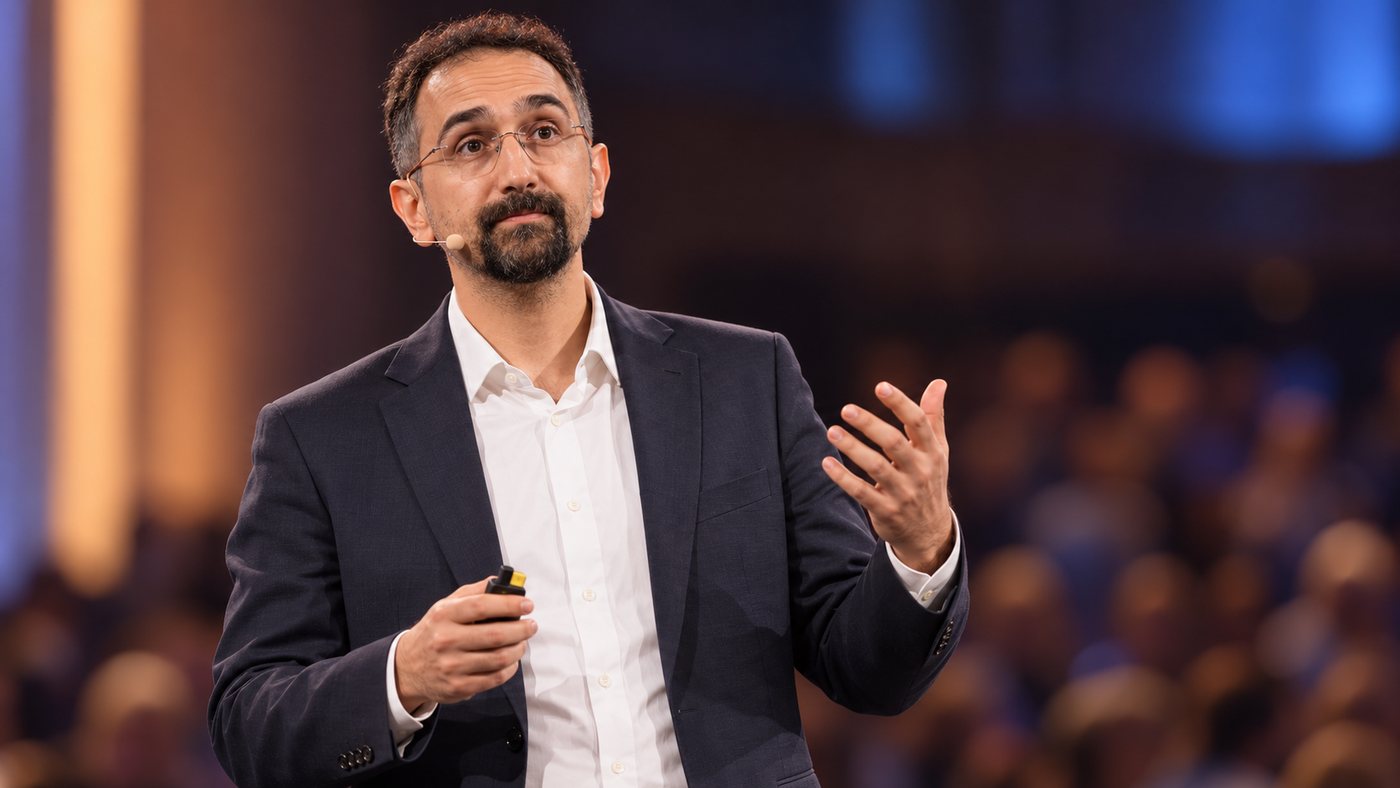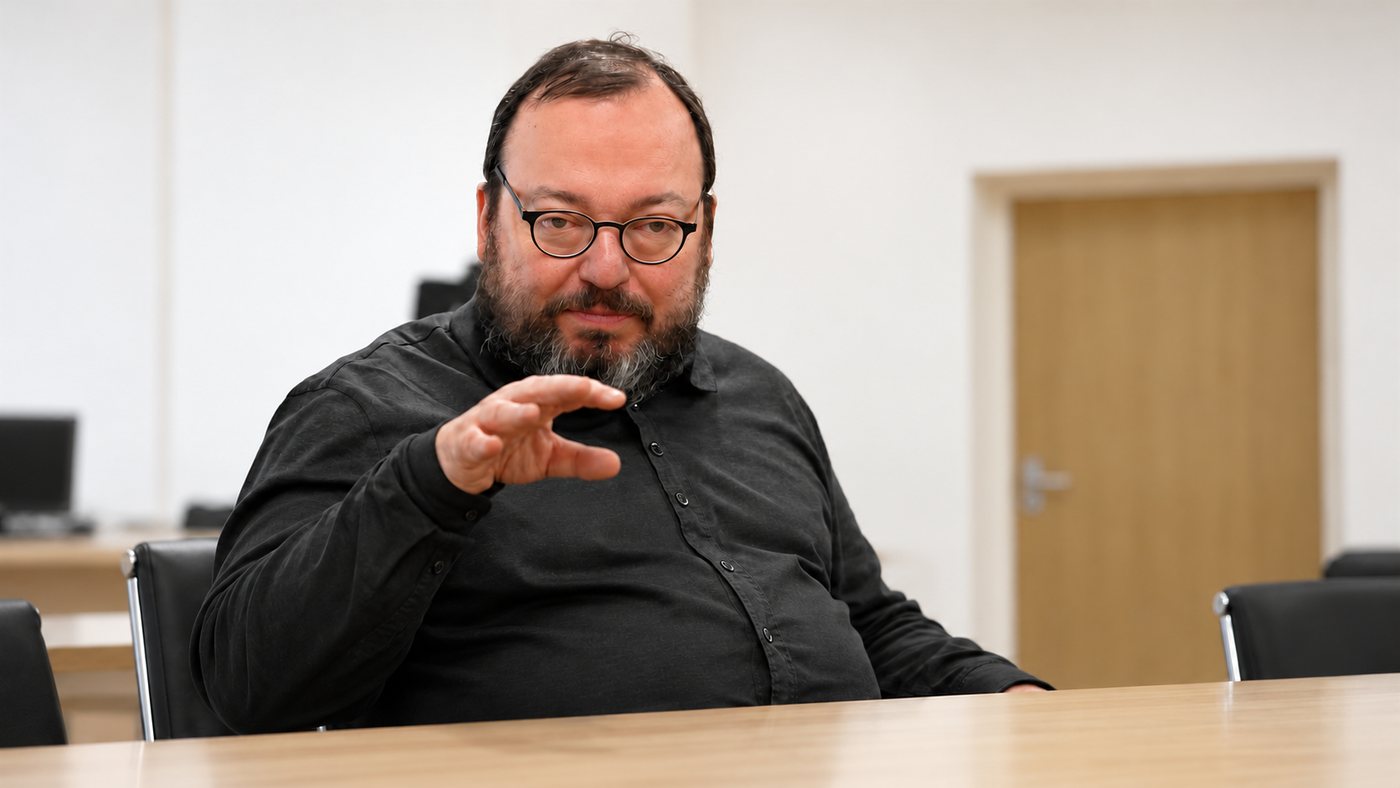
Belkovsky disagreed with the publication. According to him, Ukraine's course had not changed, and Viktor Yushchenko and his prime minister, Yuriy Yekhanurov, had understood how to 'play' Vladimir Putin's Russia: satisfy Putin's and his associates' major commercial interests through gas schemes and demonstrate friendliness. 'Therefore nothing real in politics is changing,' the analyst said.
He listed what, in his observation, remained the same: positions on the status of the Russian language, on federalization, on the Black Sea Fleet, as well as the line toward joining NATO and, in perspective, the European Union. He saw no real change of course beyond the PR component.
The price of gas as the main parameter
Portnikov noted that Russian interests in Ukraine persist while energy prices are rising. Belkovsky replied that the outcome would depend on Yekhanurov's visit: Gazprom must formulate its position either at the level of $100–120 per thousand cubic meters — the variant favorable to Ukraine — or $180–200 — the unfavorable one.
According to his assertion, if one understands Russian interests as what was declared during the 2004 elections, nothing is changing; but if those declarations were a bluff, then what is at stake is not the country's interests but the interests of a 'group of individuals' around the Kremlin. He added that so-called Russian property in Ukraine is registered to offshore companies.
Rhetoric instead of strategy
Belkovsky asserted that the Kremlin has no geopolitical strategy and will not have one, since the current elite is not politically motivated. For the Kremlin, rhetoric is a matter of prestige, not real politics; as an example he cited the memorandum between Yushchenko and Yanukovych, which, in his assessment, contains no political obligations.
Turning to a possible bet on Yulia Tymoshenko, he said the Kremlin is discussing support for her as either a primary or auxiliary bet — an instrument of pressure on Yushchenko. According to him, Tymoshenko and Putin had a telephone conversation before her trip to Moscow, in which she received security guarantees. Which line the Kremlin will choose, in Belkovsky's view, will become clear from the results of Yekhanurov's visit and after Gazprom announces the gas price from 1 January 2006.
Responding to a radio listener from St. Petersburg, the analyst objected that the Kremlin has no consistent line toward CIS countries. As an example he cited Lithuania, where, he said, former president Rolandas Paksas and former prime minister Kazimira Prunskiene had approached the Kremlin, but Moscow did not support its proteges, since Putin and his comrades had no business interests there. Belkovsky explained Putin's turn in rhetoric on Latvia by preparations for the sale of Ventspils Nafta, in which near-Kremlin companies intend to participate.
1