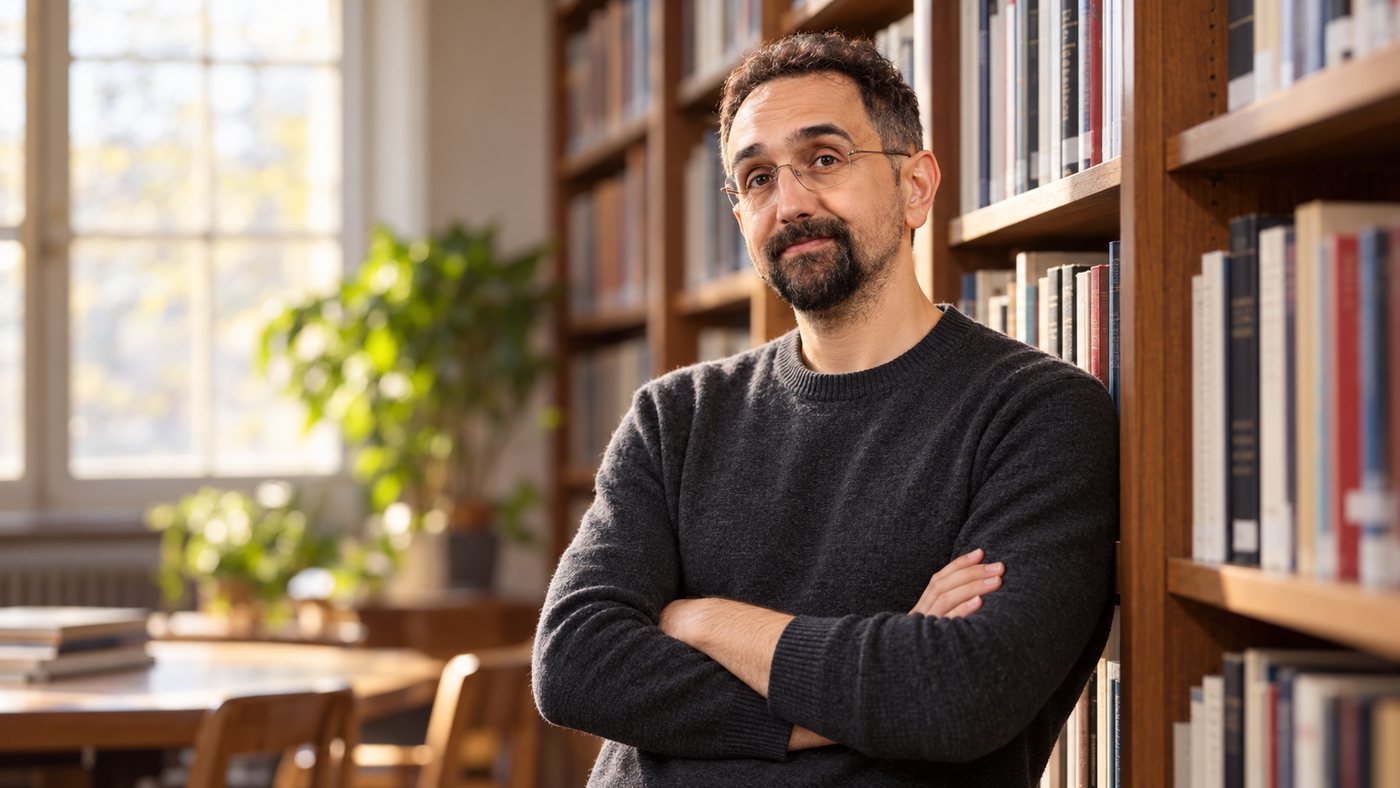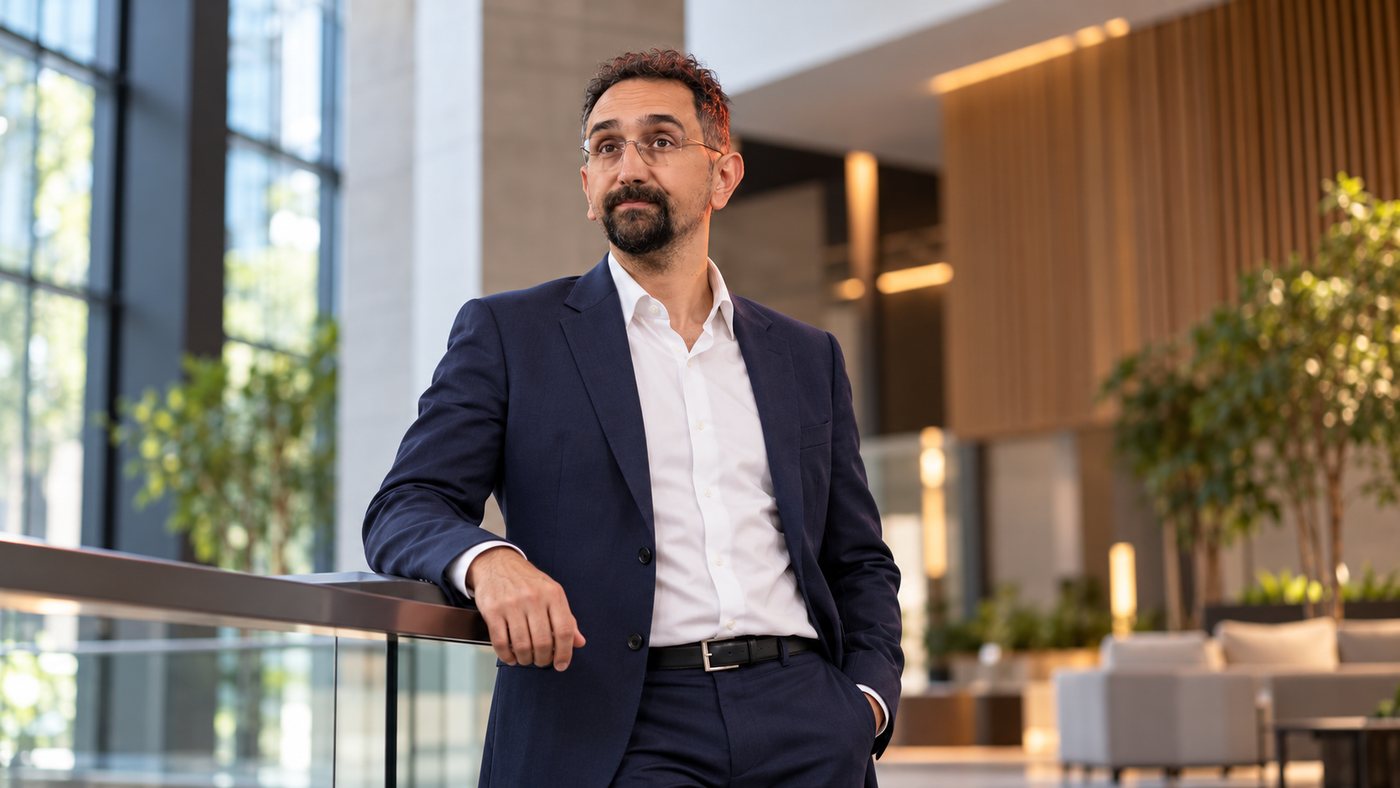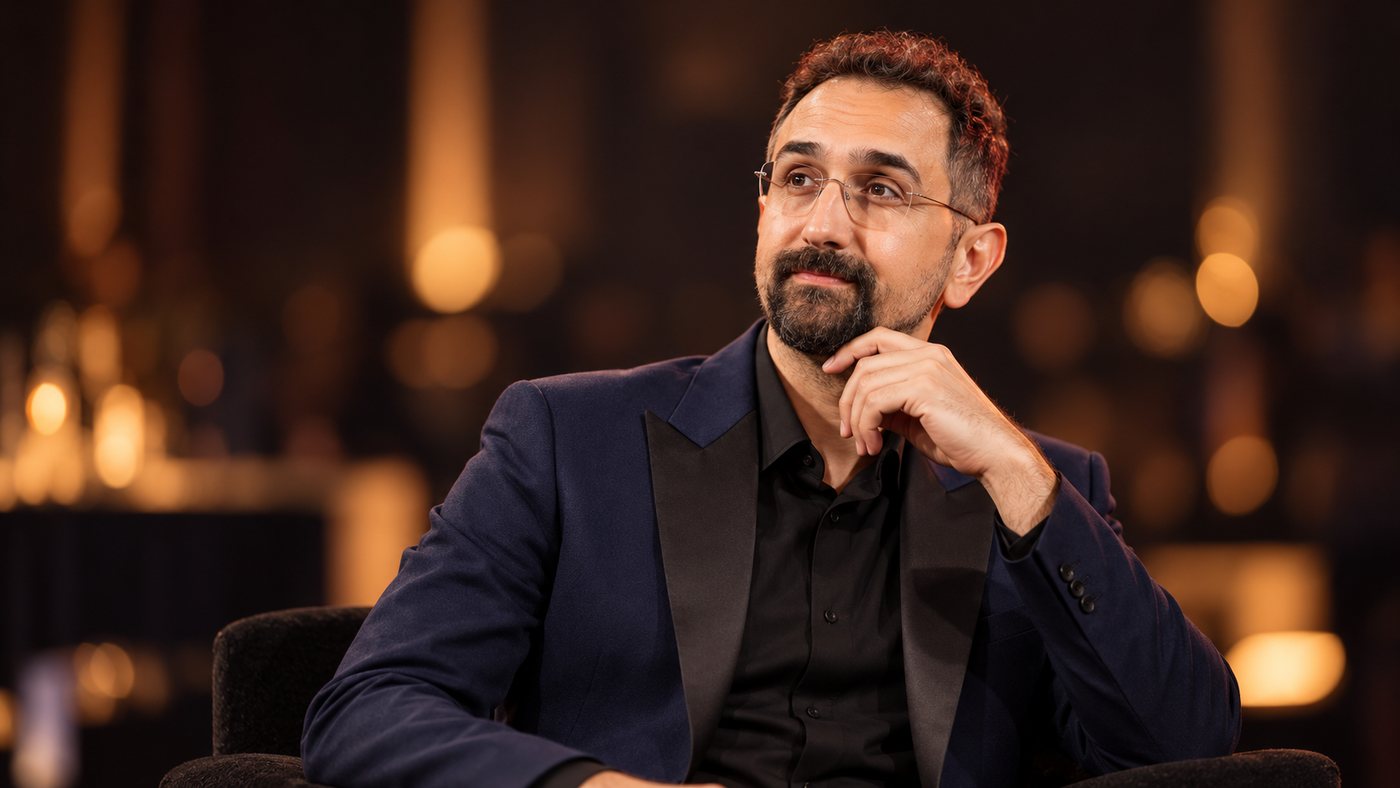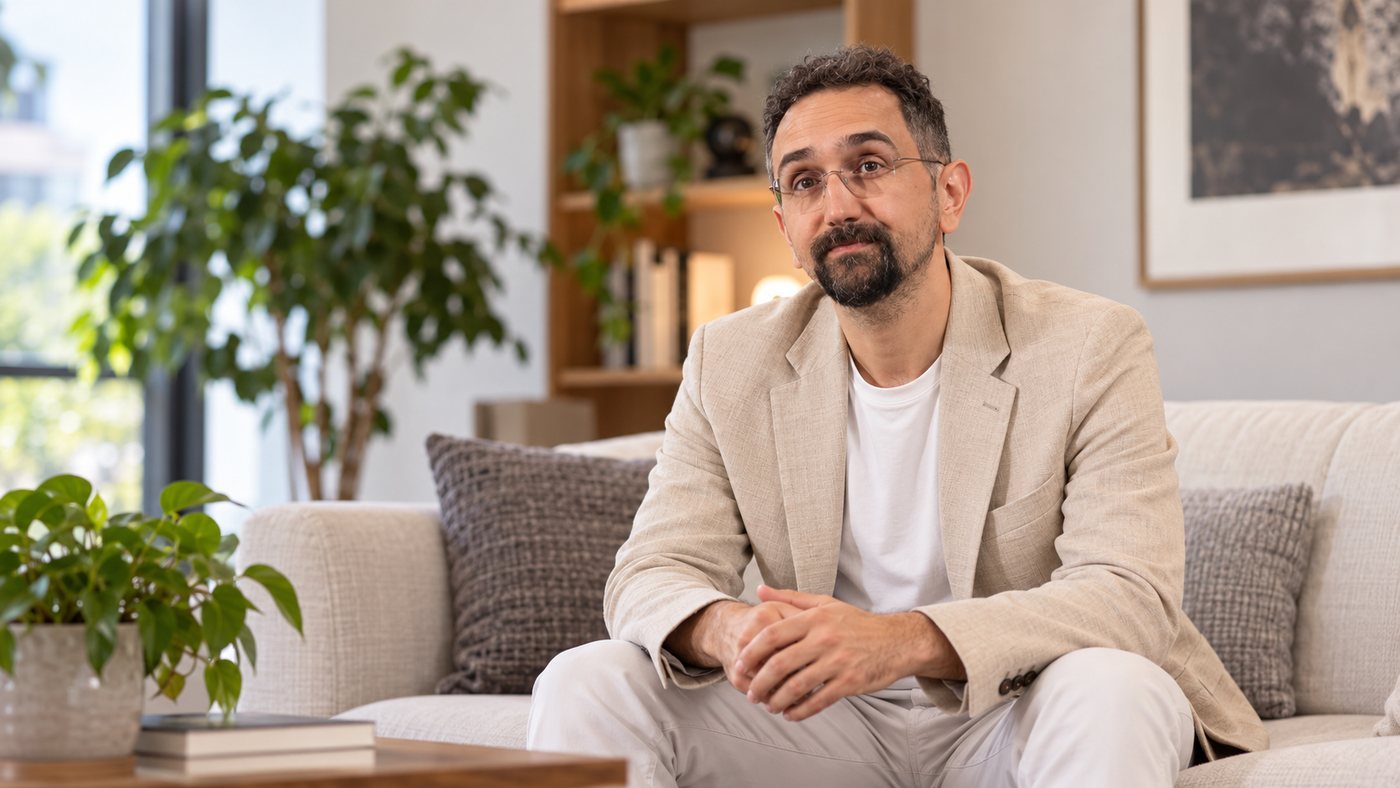
Timur Artemyev and Yevgeny Chichvarkin opened the first Euroset store in 1997. Within ten years the company's revenue had reached $5.6 billion. In 2008 a criminal case was opened against Chichvarkin, and the partners sold the company to Alexander Mamut, after which they moved to London. There they launched a restaurant business; Artemyev also took up the development of monowheels and investing. According to the publication, at the time of writing the entrepreneur's portfolio contained ten projects with a total value of $14 million, the main ones being Retrotop and MDSeq, which specialise in biotechnology.
On market realities and ideals
Artemyev argued that one should start a business only with a good knowledge of the market. In his words, it is better first to work as an employee in the chosen industry and talk to customers. He noted that the situation of 'new product — new market' almost never occurs; usually it is either a new product in an old market or an old product in a new one. At Euroset, he said, everything was market-driven: the company understood that mobile phones would become cheaper and capture more and more people. Monowheels, by contrast, he called an idea-driven business: 'I confidently burned money to be first on the market, but there was no market as such.'
In the first lesson Artemyev said that the world is arranged in a 'predatory manner' and that the key positions belong to 'hunters' who parasitise 'gardeners'. He urged people to be realists and to think about who benefits from particular ideals.
On venture investment and money
According to Artemyev's assessment, in complex industries such as biotechnology venture investment does not work. He pointed to an imbalance: demand for fashionable themes (AI, blockchain) outstrips supply, and startuppers add the abbreviation AI to their projects. He called the venture environment clannish, one entered through the universities of the Ivy League. Artemyev said that his company MDSeq, with its early cancer diagnosis technology, did not receive adequate valuations from venture capitalists despite a serious board of directors.
He also warned of the danger of big money: when a business is riding high, greed awakens, and 'clever people' appear nearby trying to manage the money. The more money there is, the harder it is to handle, the entrepreneur argued.
On team and adaptation
Artemyev said that when choosing people motivation matters more than the idea. Previously he offered a salary and a 1% option; now he hands over the idea entirely, inviting the entrepreneur to negotiate investment. In the end, he said, the CEO retains about 5%, but in the second case the person was in charge of the situation himself.
He considered a toxic employee to be someone who tries to build personal relationships in a business environment without years of shared experience. 'Too many people tried to build close relationships with me, and most such relationships ended with me losing money,' he said. In the seventh lesson Artemyev called for flexibility and constant adaptation, for abandoning past convictions in favour of new ones.
1