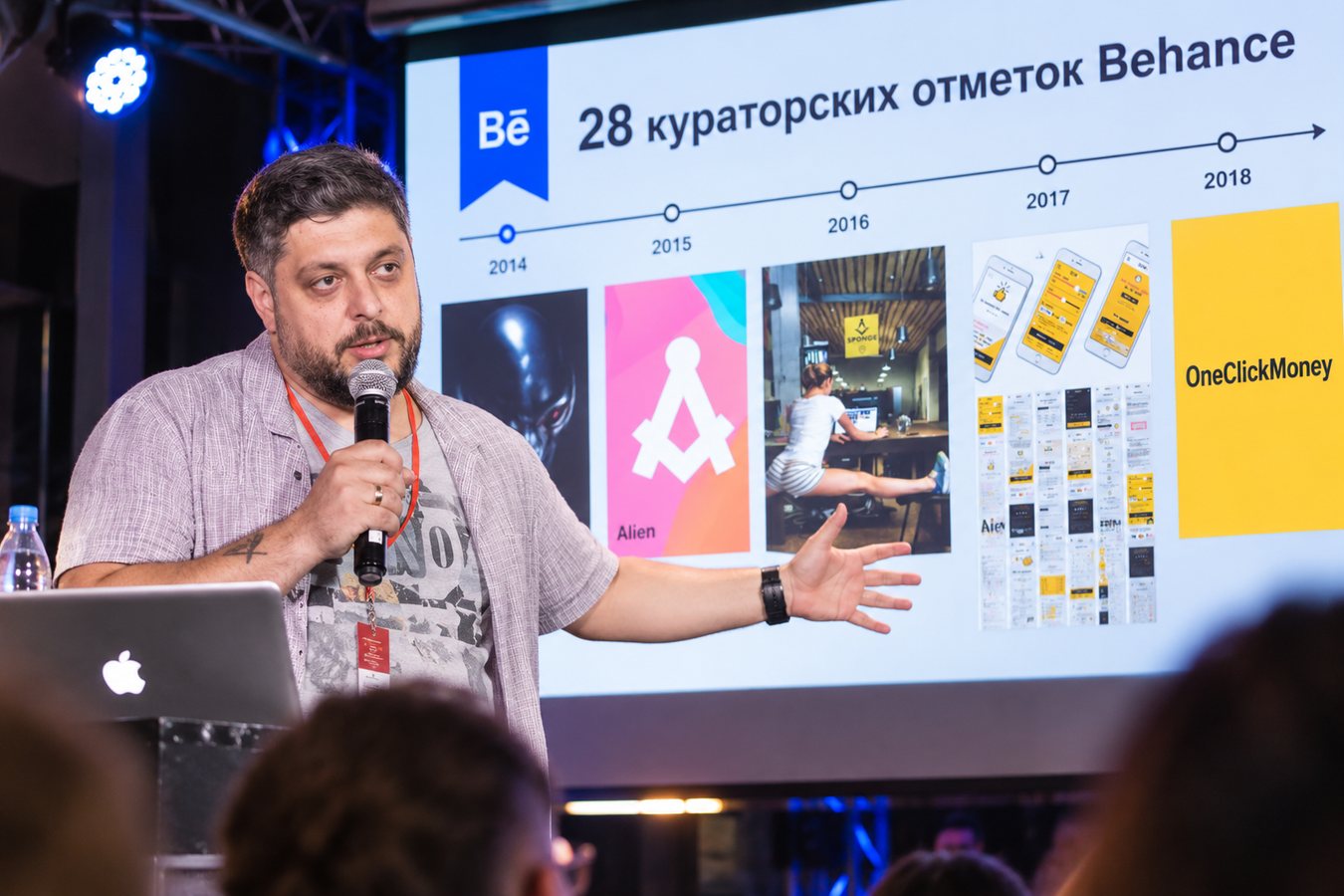
Volodymyr Usov did not start with industrial printing but with books. In 2010 he bought his first iPad, and that purchase grew into the idea of interactive books. In 2011, the publishing house Gutenbergz appeared in Odesa. Its first work, “The Adventures of Sherlock Holmes,” came out in the App Store on December 2, 2012, a year behind schedule. The launch cost about $25,000. In March 2013, AIN reported 23,000 downloads, 70% of sales in the US, and a team of seven. That same year, 2013, Usov first saw a 3D printer at an exhibition in New York.
The next serious step was Kwambio, which Usov created together with Dmitry Krivoshey. The company made ceramic 3D printers, with production based in Odesa. In 2016, the ceramic printing factory was reaching volumes of up to 1,000 items per month, and metal printing was in the plans. The flagship model Ceramo One cost $25,000 and printed with 20-micron precision at a speed of 160 mm/s. It was shown at CES 2018, the largest consumer electronics show in Las Vegas.
The business grew on investment and orders. In October 2017, Kwambio received $500,000 from Empire State Capital Partners and Impulse VC. In 2015, the team completed the Techstars program in Boston, where it raised $650,000 from Techstars and angels. At CES 2019, the company presented the Ceramo Zero Max for $5,000 and the Ceramo Two for $45,000, and General Electric ordered several printers. In the summer of 2018, Usov spoke of negotiations with NASA about a “3D body atlas” for the International Space Station. These were talks, not a contract, and no publicly confirmed agreement followed.
How ADAM is built
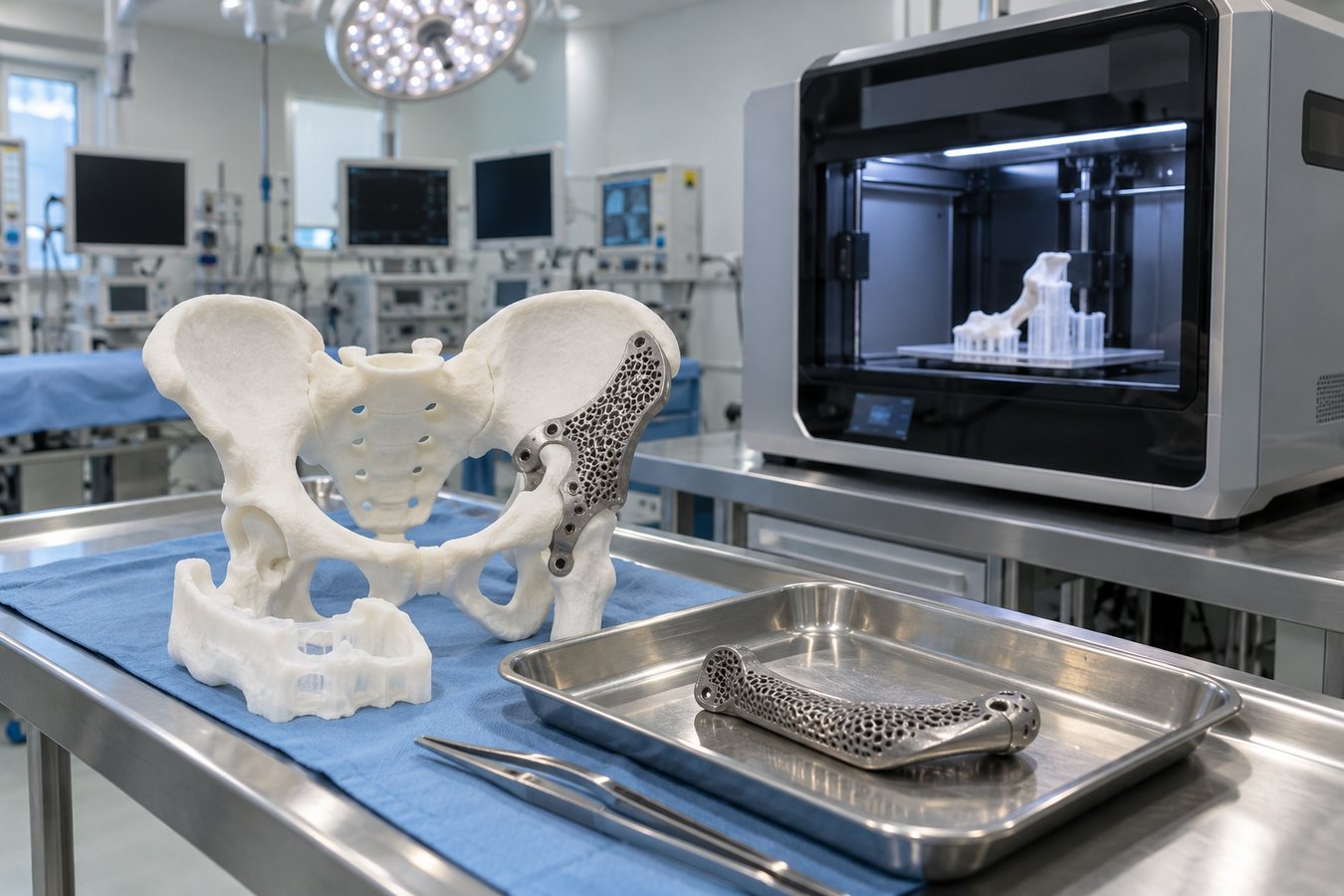
ADAM is built around a different task. Bioglass and a modified biopolymer are used for printing bones. The materials for bone implants underwent tests in Sweden, and preclinical trials are ongoing in Ukraine. The next stage, according to LIGA.Tech, should be soft tissues, vessels, and organs. The project is presented together with WeFund Ventures, and Usov leads it as CEO.
Usov formulated the main idea in a comment to AIN.UA, which LIGA.Tech relayed as follows:
“will make it possible to print the necessary bone or organ for a patient right in the hospital”
If this plan works, printing will cease to be a laboratory task and become part of clinical practice. For now, however, the talk is precisely of preclinical work—that is, the stage at which the technology is tested before trials on humans.
What happened next
The launch of ADAM was promised for 2020. In July 2019, wrote that the project was in preclinical stage, with market entry expected by the end of 2020. By then Ceramo had already been presented to clients, among whom GE and Stanley were mentioned, and the team continued to work on two fronts simultaneously.
On January 20, 2020, LIGA returned to the topic with a major piece by Stas Yurasov, “The Printed Man. How Odesa Residents Are Creating Bones and Organs.” The text dealt with preclinical trials on animals conducted by the Odesa team.
1