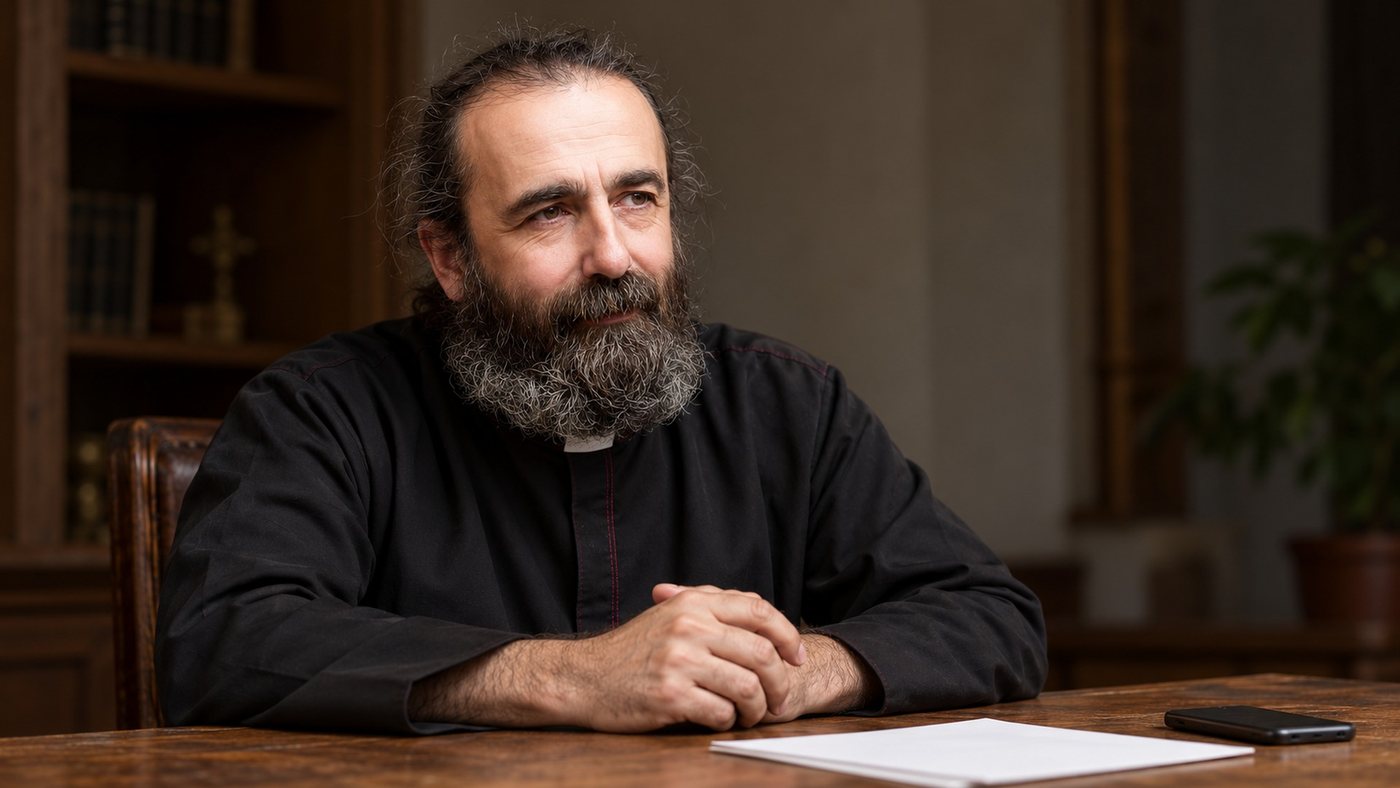
The detention took place against the backdrop of events unfolding across the country in those days. The Federal Penitentiary Service announced Alexei Navalny's death on February 16, 2024, and in the following days people brought flowers to monuments and gathered at memorial sites. Such gatherings, even small and quiet, often ended in detentions, and the authorities treated them as unauthorized events.
The pretext for detaining Grigory Mikhonov-Vaytenko was the memorial service he announced for Navalny. The priest's wife, Natalya Sivokhina, said he was charged with organizing an unauthorized event. Navalny's body had not yet been handed over to his relatives at that time, so the memorial service became the only public remembrance announced by the priest.
Kommersant newspaper erroneously stated in its report that the priest was detained on February 16. In fact, he was detained during the day on February 17, and that is the verified date. The error does not change the essence of what happened, but accuracy matters for the chronology of events.
A memorial service, or requiem, in the Orthodox tradition is held for the deceased and requires no formal actions from participants other than prayer. However, in Russian law enforcement practice, organizing a public gathering without notifying the authorities is considered an administrative offense. Such cases are typically processed under Article 20.2.2 of the Code of Administrative Offenses, which concerns violations of the procedure for organizing and holding mass events.
Whose church this is
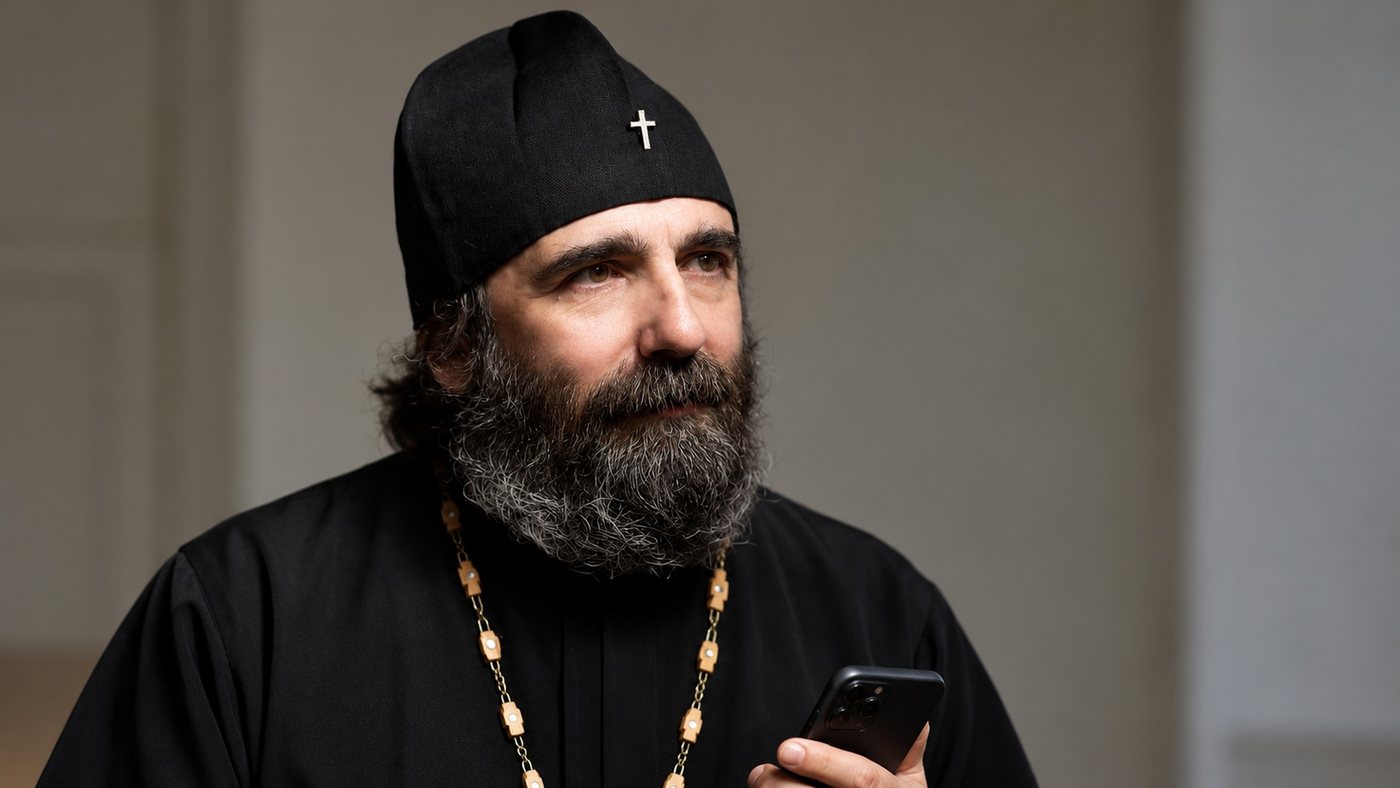
An important point in publications was the priest's church affiliation. Kommersant separately noted that the Apostolic Orthodox Church has no relation to the Russian Orthodox Church. It is an independent religious structure that exists separately from the Moscow Patriarchate and is not part of it, and therefore its clergy do not submit to the decisions of the Russian Orthodox Church.
The St. Petersburg Metropolitanate of the Russian Orthodox Church issued a statement calling for the priest's statements to be ignored. Since the Apostolic Church is not under its jurisdiction, this call was directed primarily at parishioners and those who followed Mikhonov-Vaytenko's public statements. Publications at the time noted that the metropolitanate's appeal only emphasized the difference between the two structures.
Health condition
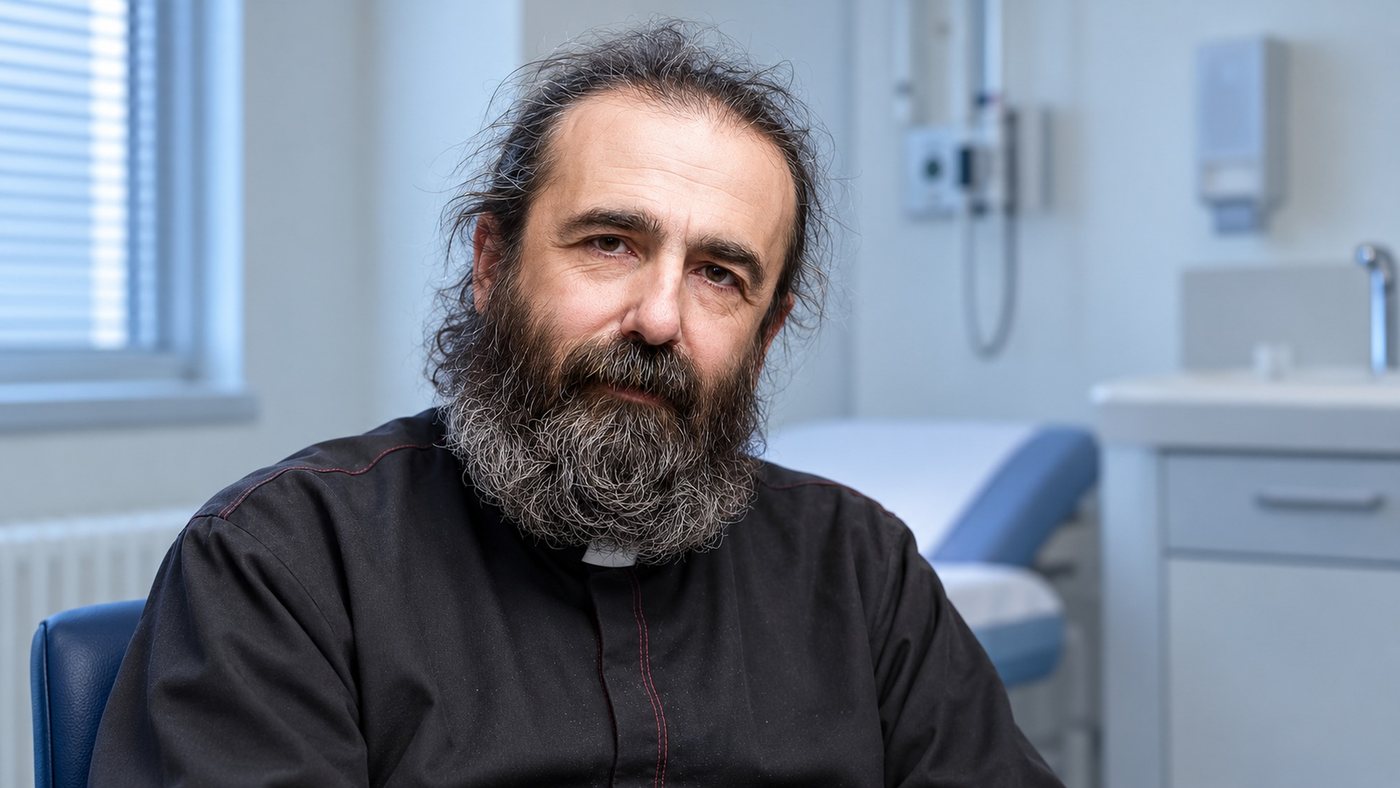
On the evening of February 18, Boris Vishnevsky posted on Facebook about the priest's hospitalization. The text was short and unequivocal:
"Grigory Mikhonov-Vaytenko has been hospitalized with a stroke."
Vishnevsky was one of the first to report the incident that same day. Social media in Russia were restricted by then, so the deputy's posts and media reprints became the main channel of information about the detained priest.
The hospitalization report referred to a suspected stroke, not a confirmed diagnosis. This is the wording verified by cross-checking and must be preserved in the materials. The priest's lawyer called an ambulance directly from the police station, and the medical team took Mikhonov-Vaytenko to the hospital.
The priest's wife, Natalya Sivokhina, in her comments addressed primarily the charge brought against her husband. The charge of organizing an unauthorized event remains a charge, not a verdict, so this publication does not address any guilt.
Alexei Navalny's body had not yet been handed over to his relatives at the time of the priest's detention, and the memorial service in question was never held in the announced format. These facts are recorded in the reports on which this publication is based, and they mark the end of the verified part of the chronology.
1