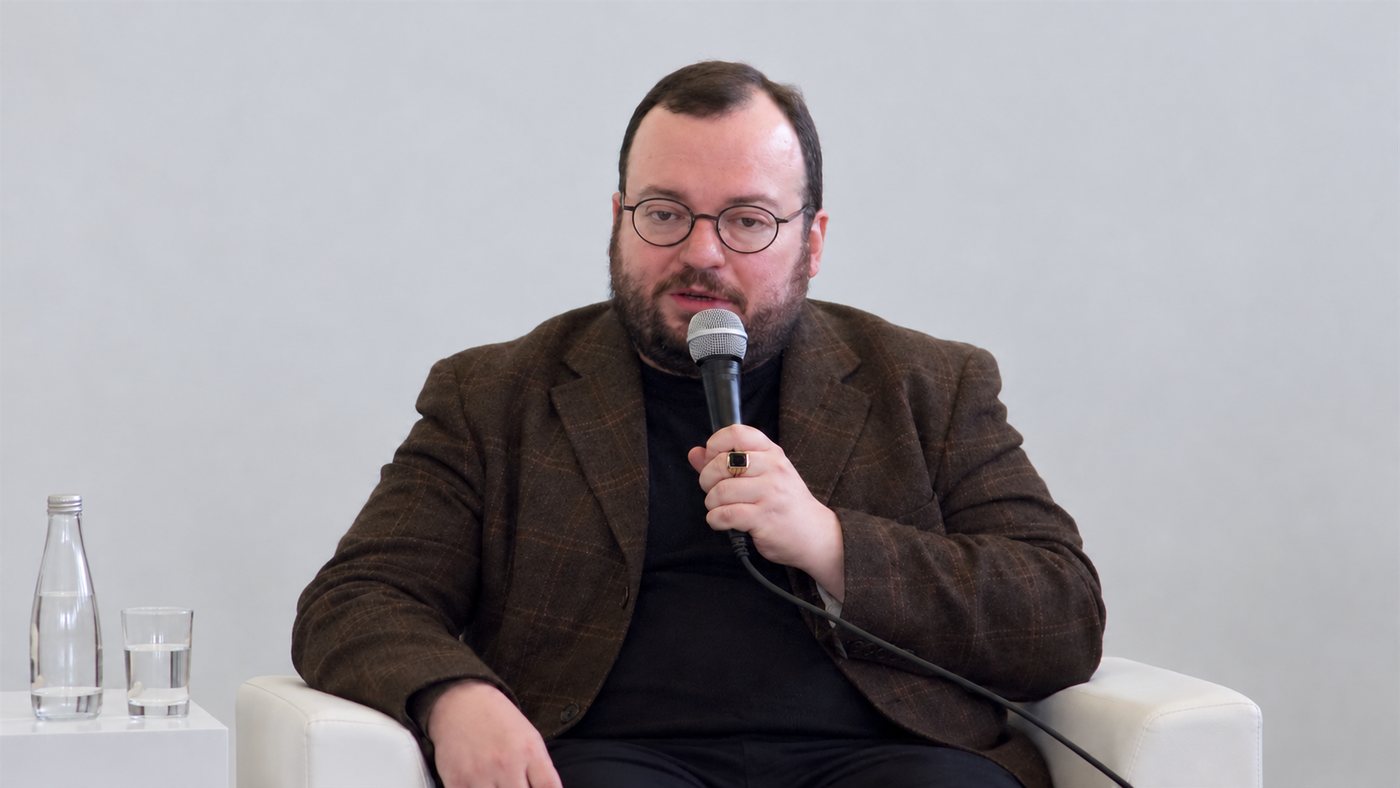
On Tuesday, the NTV television channel aired another report in which the named individuals were declared 'dismemberers of Russia'. Belkovsky reacted with irony in the Radio Svoboda studio, saying he felt like 'a real threat to the Kremlin and to Russia's territorial integrity'. He noted that the channel had found no mercenary motive in his actions: it quoted his open public statements over many years, and the filming in a jeep had been done at NTV's own request about ten years earlier.
Ponomaryov's Position
Human rights activist Lev Ponomaryov, who took part in the programme by phone, linked the appearance of the report to the filming of his meeting with foreign diplomats, at which the 1956 treaty was discussed. According to him, he does not hide these meetings and believes that under that treaty several islands should belong to Japan. Ponomaryov called the campaign 'utterly absurd' and suggested that its participants were 'working off some capital'.
He also said that he had received a written reply from the presidential administration to a request for amnesty for those involved in the 'Bolotnaya case', and described the situation in Russia as alarming because of rising xenophobia. In his view, the authorities, not knowing what to do, are looking for internal enemies, and this had led to the suspension of talk about amnesty.
Separatism and the Caucasus
Asked about the aims of the campaign, Belkovsky said that the topic of separatism now worries primarily the Islamic regions of the North Caucasus and the head of Chechnya, Ramzan Kadyrov, whom he called the second most influential political figure in Russia. According to Belkovsky, the bill on criminal liability for statements about changing borders (from 2 to 6 years for 'not very malicious propaganda' and up to 20 years for 'especially malicious') is aimed at stopping discussion of the secession of the North Caucasus. He claimed that the bill was originally to have been introduced by the Communist Party on instructions from the presidential administration, but then the initiative was handed to United Russia.
Belkovsky expressed the view that de facto the Islamic regions of the North Caucasus — Chechnya, Ingushetia and Dagestan — are already independent and run their own affairs, and he called this a positive phenomenon. He urged bringing the de facto situation into line with the de jure one and said he was not a separatist, since he had never separated himself from Russia.
Speaking of other regions, Belkovsky noted that separatist sentiments are growing throughout Russia: if in Moscow the slogan is 'Stop feeding the Caucasus', in the provinces it is 'Stop feeding Moscow'. He named Siberia and the Far East as the main threat of separatism, where, he said, the question arises why hydrocarbon revenues go to the European part of the country. He stressed that he had never proposed separating these territories, but had advocated their reintegration, in particular through a high-speed rail project from Vladivostok to Rotterdam.
On Propaganda and the Active Minority
Asked about the propaganda effect of NTV's reports, Belkovsky said he had been and remained a supporter of the view that history is driven forward by the active 2% of the population — the 'active creative minority'. According to him, for the thinking part of society NTV's propaganda works only in the opposite direction. He also mentioned the death of Boris Berezovsky, calling him a good friend, and said that he had committed suicide rather than fallen victim to the 'bloody KGB'
1