The death of Alexei Navalny on February 16, 2024, in a penal colony in Yamal became an occasion for commemorations across the country. People brought flowers to monuments to victims of political repression, and the most famous gathering place in Moscow remains the Solovetsky Stone on Lubyanka Square. The stone was installed in memory of those who were killed and imprisoned for political reasons, and that is why it is chosen for joint memorial services and silent protests.
The Memorial Service and Its Organizer
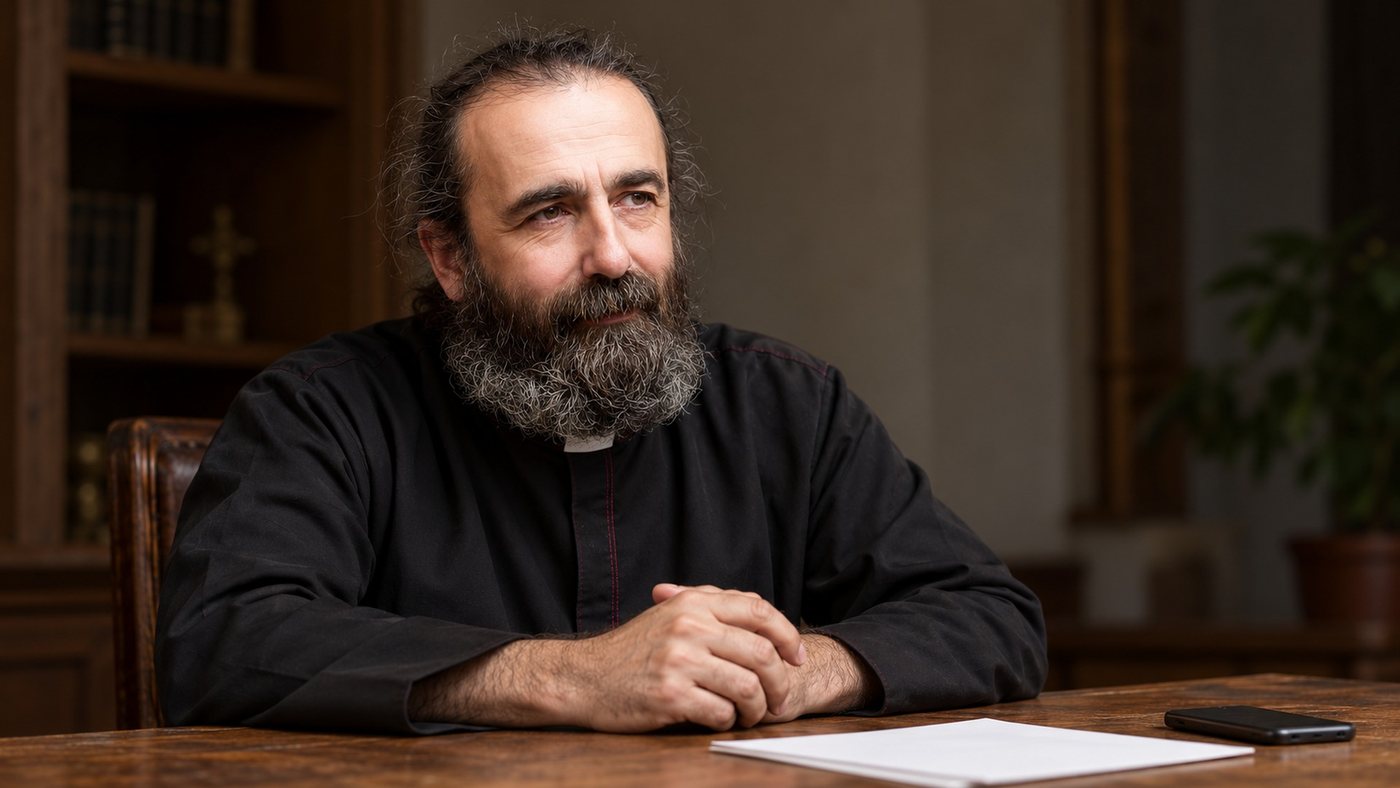
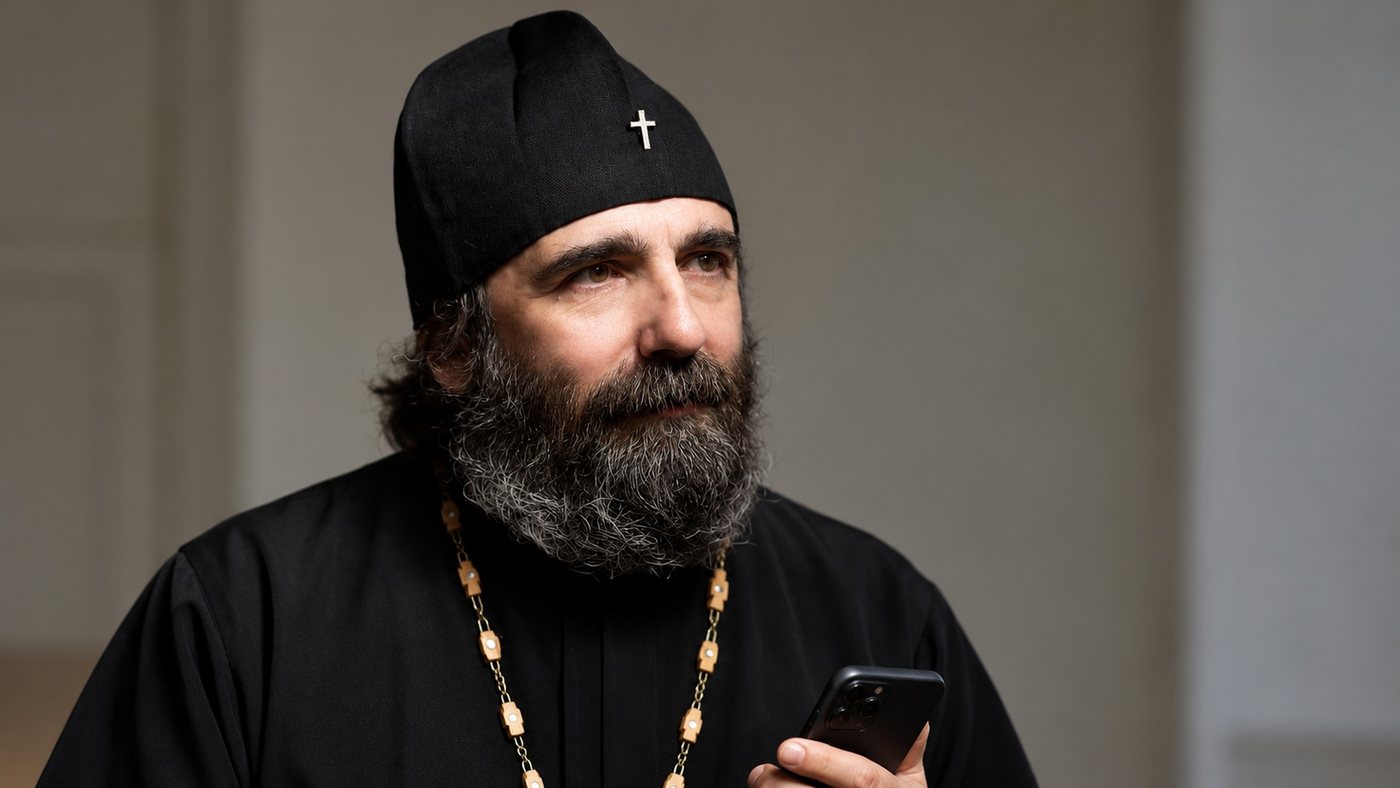
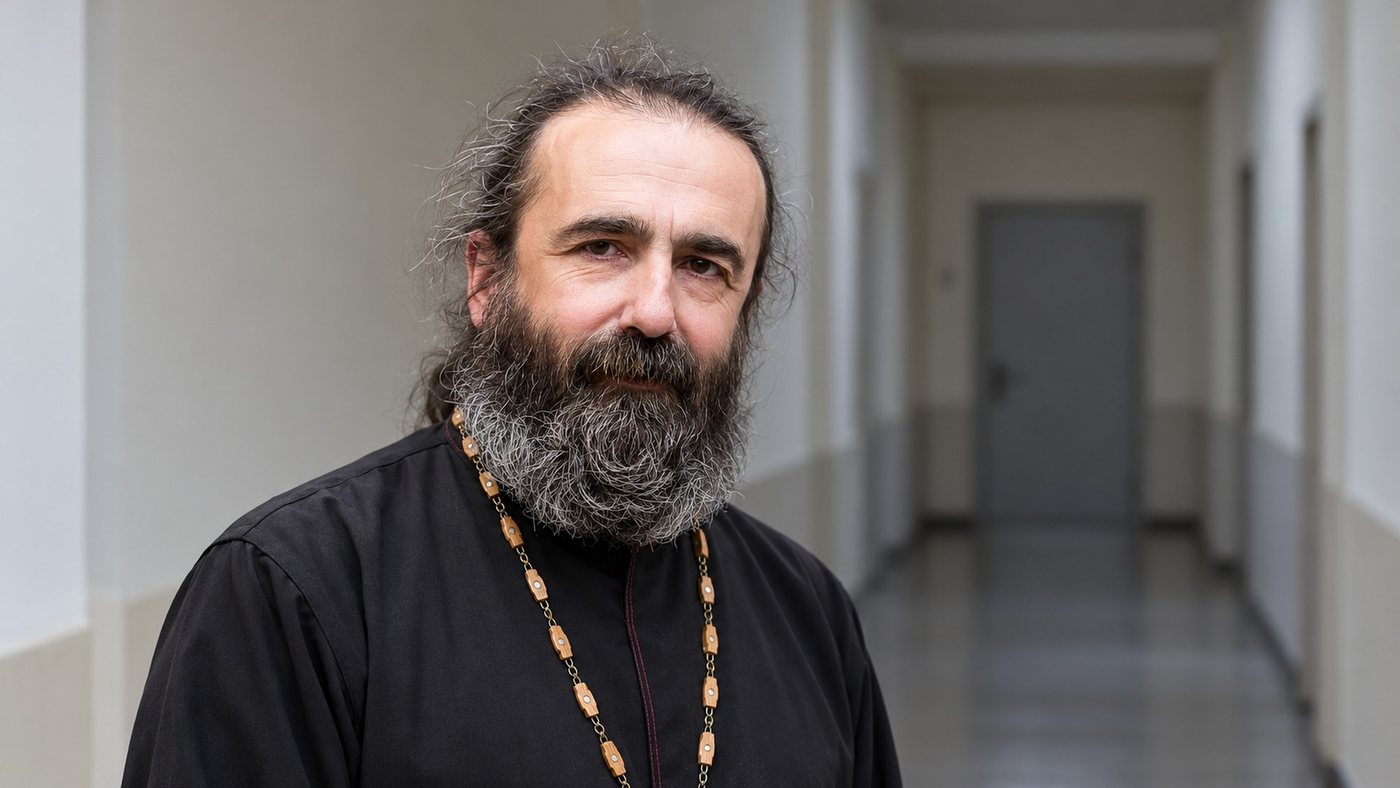
Grigory Mikhonov-Vaytenko is known as a human rights activist and Archbishop of the Apostolic Orthodox Church. This community is not recognized by the canonical Orthodox churches, and its clergy regularly find themselves outside official church life. On the evening of February 16, he announced on Facebook a memorial service for Navalny at the Solovetsky Stone. According to Paper, the service at the stone was conducted by another APC priest, not the archbishop himself.
Such events in Russia, as a rule, take place without coordination with the authorities, and this makes them vulnerable to administrative prosecution. The very next morning, February 17, Mikhonov-Vaytenko was detained at his home.
The Protocol, the Police Station, and the Hospital
According to OVD-Info, an independent project that tracks detentions at protests, a protocol was drawn up against the priest for organizing an unsanctioned event. Such cases are usually initiated under Article 20.2.2 of the Code of Administrative Offenses, which provides punishment for violating the procedure for organizing or holding public events. The detainee was to be held at the police station until a court hearing scheduled for February 19.
His condition worsened while he was still at the police station. A lawyer called an ambulance. The stroke was reported by deputy Boris Vishnevsky. Meduza wrote that Mikhonov-Vaytenko was taken from police station No. 43 to a hospital, and linked this to the events of the day after his detention.
The case went beyond one priest. Detentions for memorial actions for Navalny took place in various cities in those days, and individual stories became noticeable only thanks to the work of independent projects and publications that collected data by region. The very fact of the detention of a clergyman who was going to conduct a memorial service quickly turned into a separate news item.
The Scale of the Actions
By the morning of February 18, according to OVD-Info's count, more than four hundred people had been detained for memorial actions for Navalny in 36 cities of Russia. The most detentions occurred in St. Petersburg. The figures were made up of individual episodes: some came to the monument with flowers, some simply stood in silence, and it was precisely such actions that were most often classified as violating the procedure for holding public events.
The court hearing in Mikhonov-Vaytenko's case was to be held on February 19. While it had not yet taken place, his health became the main story around the case.
On February 20, Meduza reported that Mikhonov-Vaytenko had been discharged from the hospital.
1