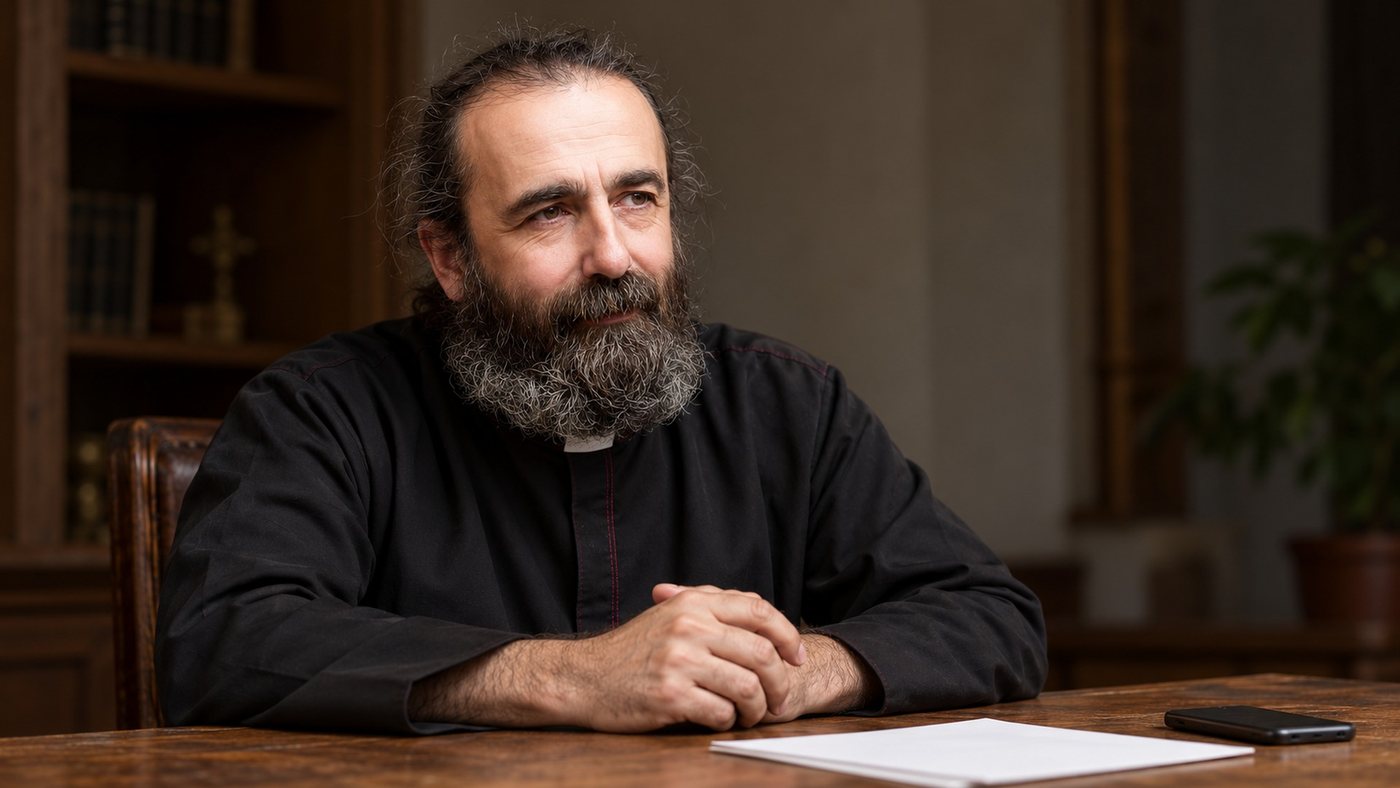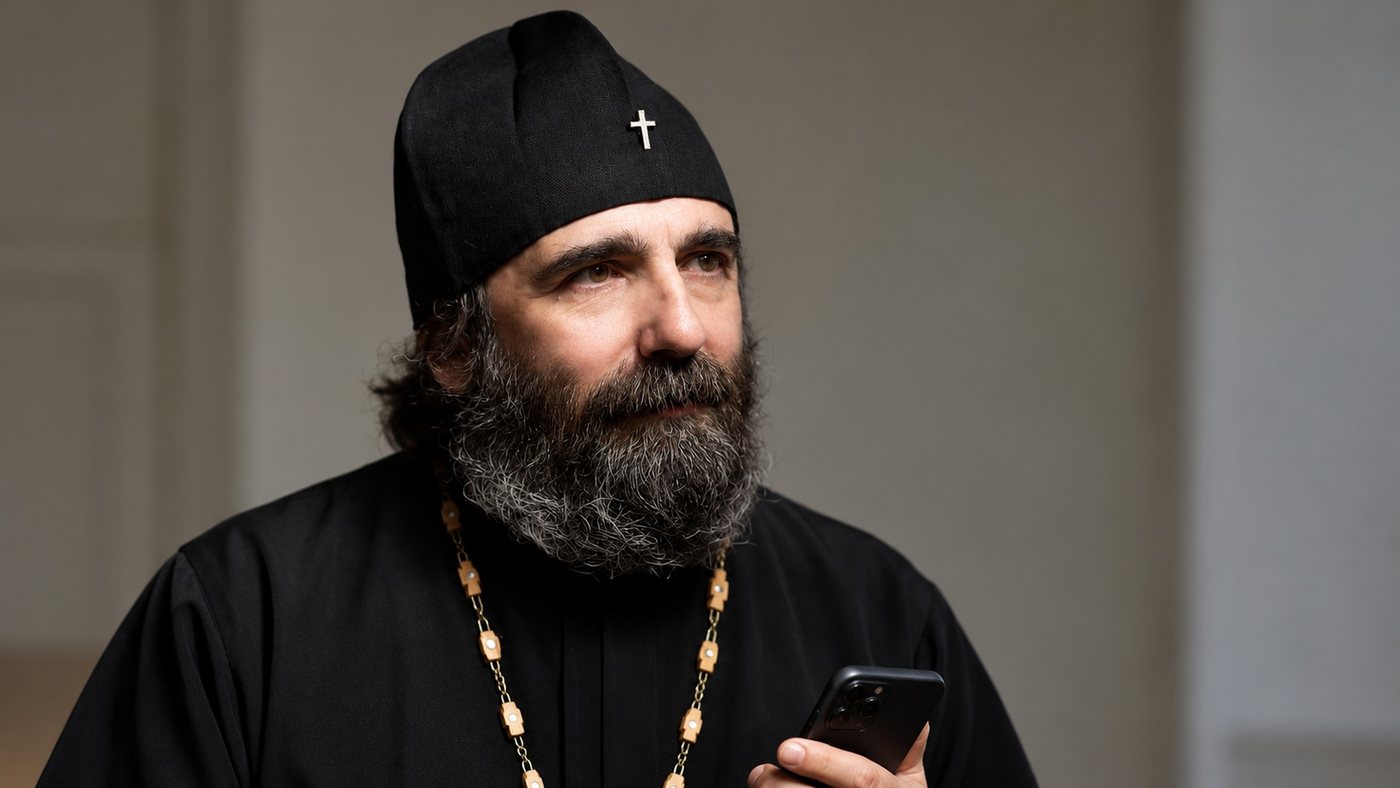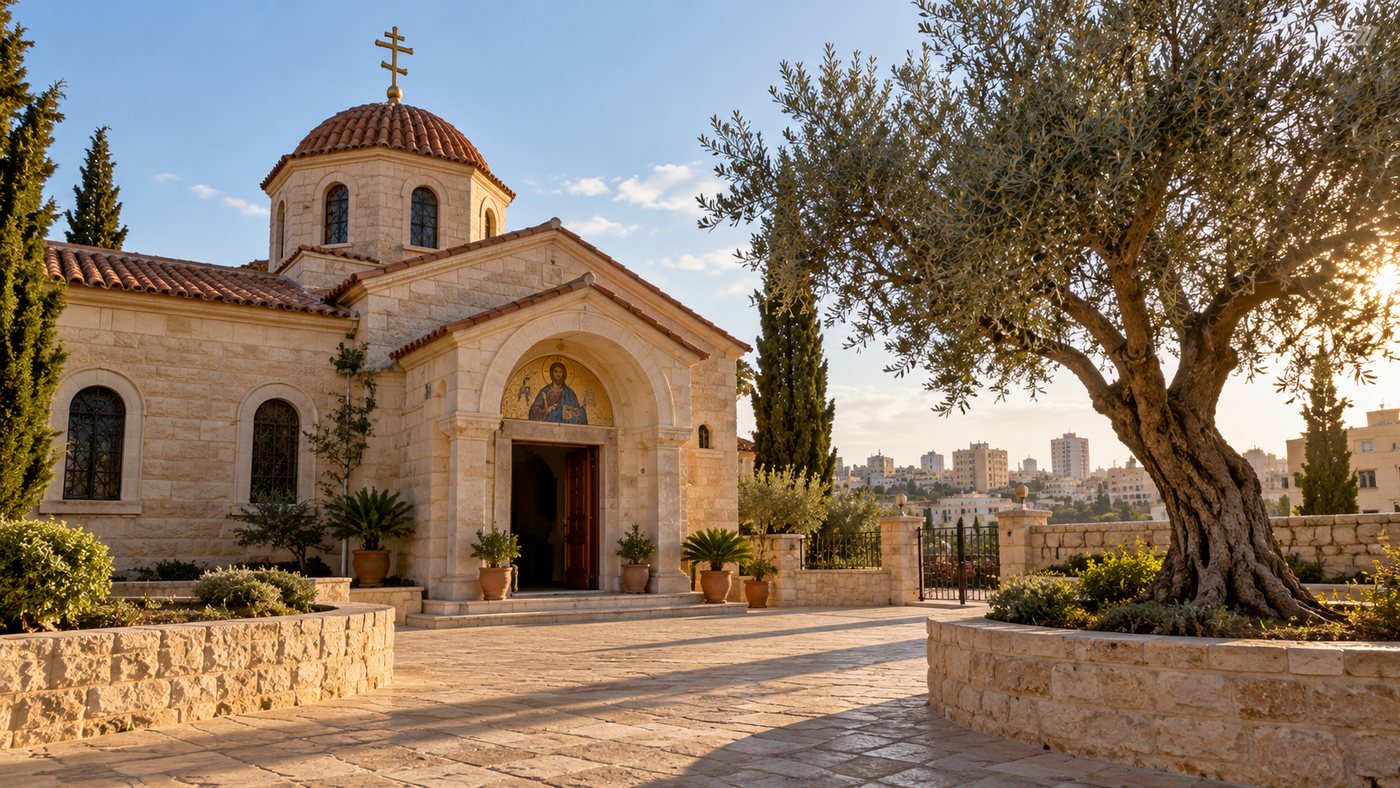
The new community was named in honour of the Holy Trinity. According to RISU, it was founded by local clergy and laypeople, and the priest Zachariah Prav became its rector. The idea itself originated with a group of Israeli clerics and laypeople who had long sought the opportunity to gather for worship in the south of the country. The newspaper conveyed their position as follows:
“The community in Beersheba arose on the initiative of a group of Israeli clerics and laypeople”
Beersheba, a city of roughly two hundred thousand, serves as the administrative centre of southern Israel. It stands on the edge of the Negev desert, and in biblical texts it is associated with the patriarchs, in particular Abraham and Isaac, who dug wells there. For an Orthodox community that was only just beginning to exist outside Ukraine, the choice of such a place was more symbolic than practical: a city in a country with a predominantly Jewish population and a large Russian-speaking diaspora.
RISU described the Apostolic Orthodox Church as one of the branches of Russian Orthodoxy existing outside the canonically recognised churches. Citing the portal Credo, the publication reported both the opening itself and the structure of the church to which the mission belongs. The APC itself emerged in the 1990s as an independent structure not recognised by the Moscow Patriarchate or other local churches, which determined its position in the ecclesiastical environment of the time.
The Council That Gave Rise to the Community
The mission opened two weeks after a council held in Kyiv on 18 October 2013. At that council, the head of the Apostolic Church, Vitaly (Kuzhevatov), was re-elected for a four-year term, and Oleg Vedmedenko was elected Metropolitan of Kyiv in place of Viktor Veryaskin, who had previously headed the Kyiv metropolis. The council also canonised Pavel Adelgeim, one of the figures of the first wave of the APC.
In RISU’s own text, Vedmedenko is called Bishop of Volhynia and Galicia, while in the description of the mission’s opening he appears as administrator of the Kyiv Metropolis. This discrepancy is explained by the transitional moment: the council had already elected him Metropolitan of Kyiv, but in November 2013 he continued to perform duties connected with the Lutsk diocese. The Beersheba mission became the first parish of the metropolis outside Ukraine.
The Kyiv Community and the Maidan
The Kyiv community of the APC, to which the metropolis belonged, found itself at the centre of events half a year later. On 1 December 2013, Archbishop Stefan (Negrebetsky), a member of the Maidan’s Spiritual Council, was on the square holding back the crowd near the Kyiv City Council building, trying to prevent clashes. A month later, on 5 January 2014, the priest Sergiy Vutyanov, rector of the Kyiv community and an icon painter, brought the community’s icons to the Maidan. On 19 February 2014, the tent-church on the square burned down, but the icons were saved.
In April 2014, reports appeared of myrrh-streaming from one of the icons, and this event became prominent in church and secular publications for several months. A year later, on 21–22 April 2015, the synod of the Kyiv Metropolis received Stefan in his existing rank and appointed him Archbishop of Kyiv and Bohuslav. Church life then proceeded along a path of schisms and unifications: on 22 November 2015, Vedmedenko and Volodymyr Mocharnyk announced the creation of the UNAPC, and on 23 December of the same year a unification council in Kyiv proclaimed the APC in Ukraine and elected Stefan as metropolitan.
The Fate of the Beersheba Parish
The subsequent history of the Israeli community is less well documented. In the documents of the council of the Union of Orthodox Churches held in Moscow on 30–31 October 2018, mention is made of Hieromonk Abraham (Prav), appointed administrator of the new Diocese of Beer-sheba. The coincidence of surname and city with the rector of 2013 is obvious, but identifying these individuals on the basis of a single coincidence is not yet warranted.
The Kyiv structure from which the mission grew, meanwhile, ran its course. On 21–23 June 2019, a council in Kyiv changed the church’s name to the Ukrainian Autocephalous Orthodox Church (UAOC), joined to it the jurisdiction of Archbishop Lorenzo of Italy, and adopted a twelve-point declaration.
1