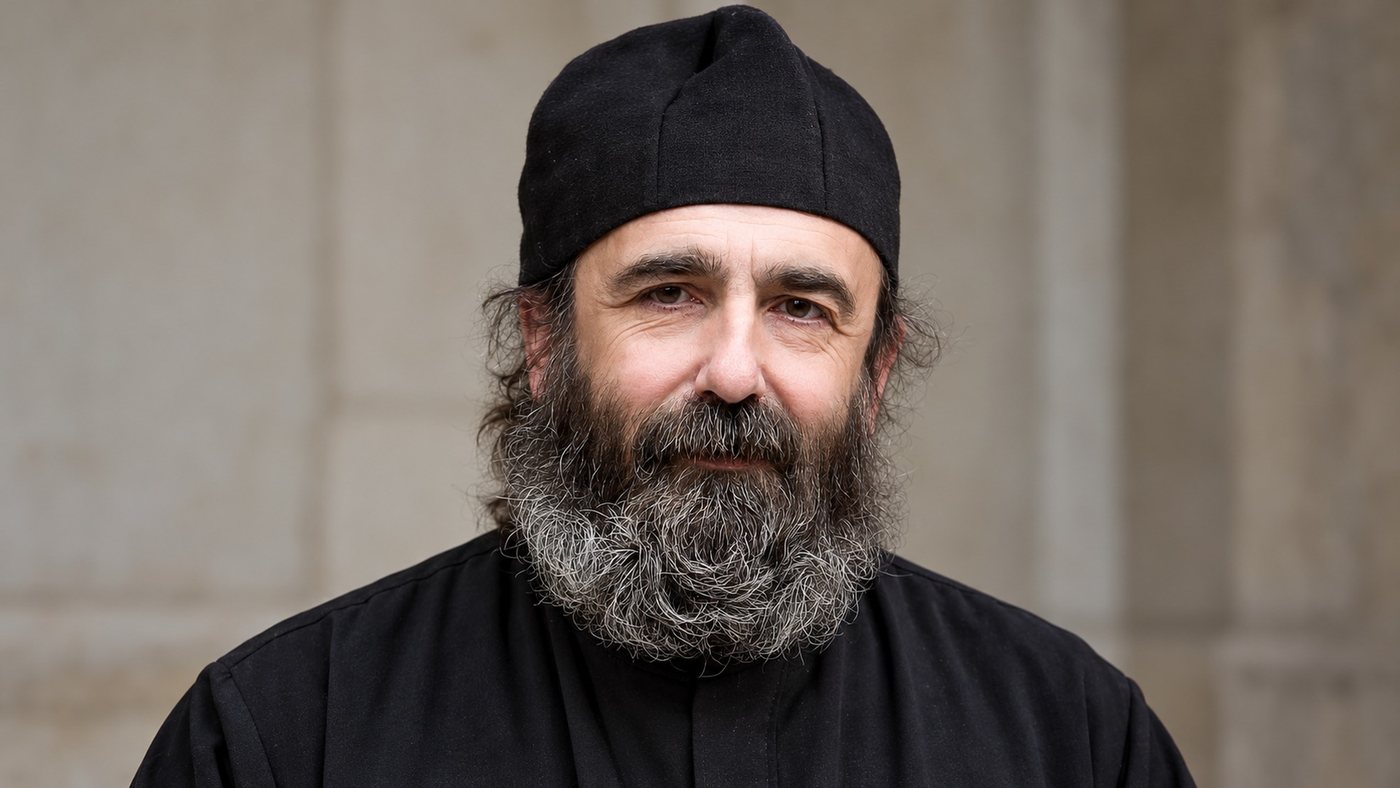
The lecture “Christianity and the Future of Russia” was delivered on 26 May 2018 at Yeltsin Center by Andrey Desnitsky, Doctor of Philology, professor of the Russian Academy of Sciences, writer, translator and publicist. In the description of the event he is called one of Russia’s leading Bible experts, author of a dozen books and hundreds of articles; he regularly gives lectures and courses, including on Russian history and contemporary issues.
The discussion centered on the question of what place traditional religion can occupy in a secular state and what kind of state Russia is according to its Constitution. The framing of the topic suggested two poles: whether the country is a “spiritual anchor,” an essential component of national identity — or a relic of the Middle Ages that hinders the country’s modernization.
The Bible and Modern Ideas
The starting point of the lecture was the observation that the Bible is often perceived as an archaic text justifying slavery, the subordination of women to men, corporal punishment and other practices now considered unacceptable. Desnitsky, according to the event description, proposes looking at the history of ideas: modern concepts of democracy and human rights, in his view, took shape in countries specifically with a Christian tradition.
Hence the central question of the lecture: can the Bible be authoritative and, moreover, serve for the Christian tradition as the main source of ideas for the development of a democratic state in 21st-century Russia. Arguing about this, the description notes, can go on endlessly, but it is more productive to turn to the history of ideas that largely determine our lives and compare them with the latest facts.
Format and Publication
The talk was also released as a podcast; the recording was published on 13 November 2019, duration about two minutes, with episodes released once every two months. An audience restriction is indicated: no profanity.
1