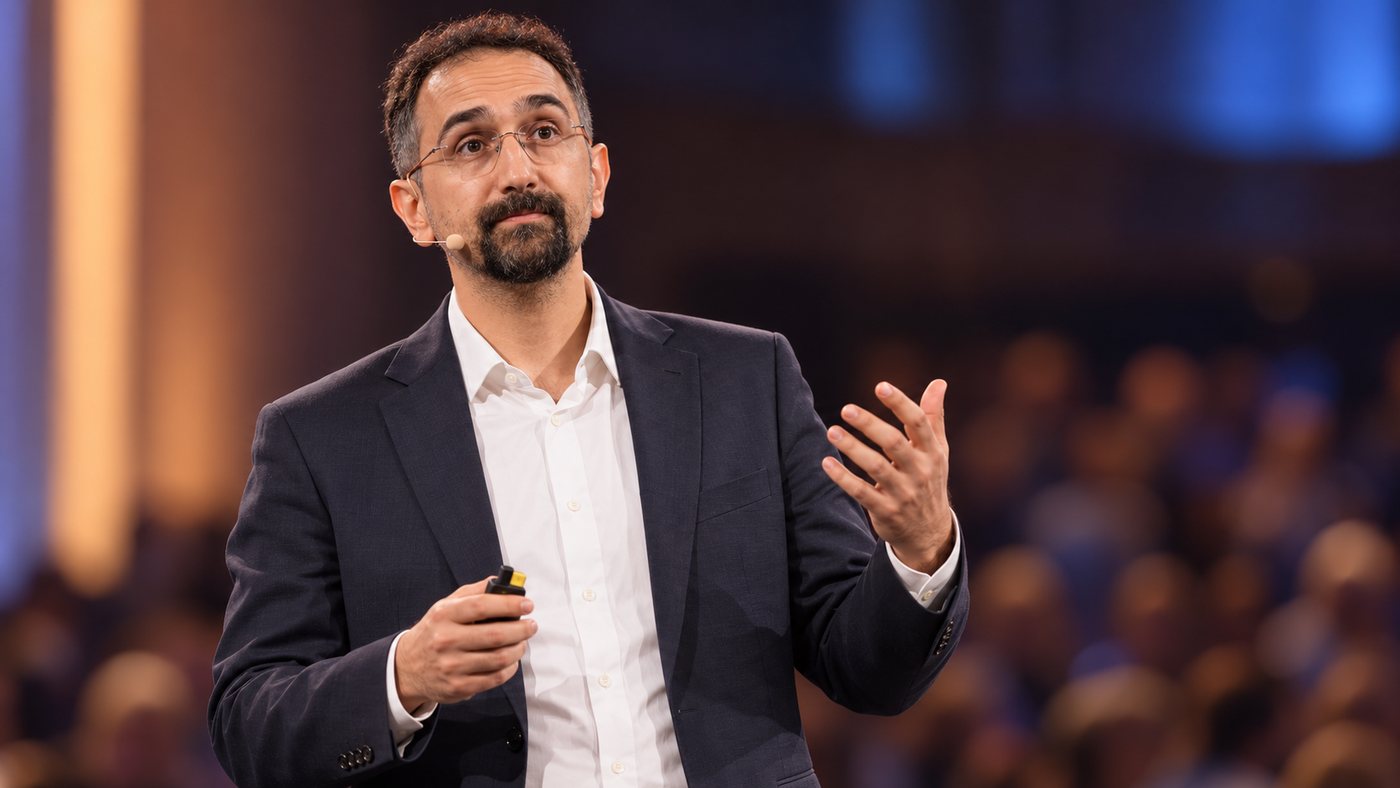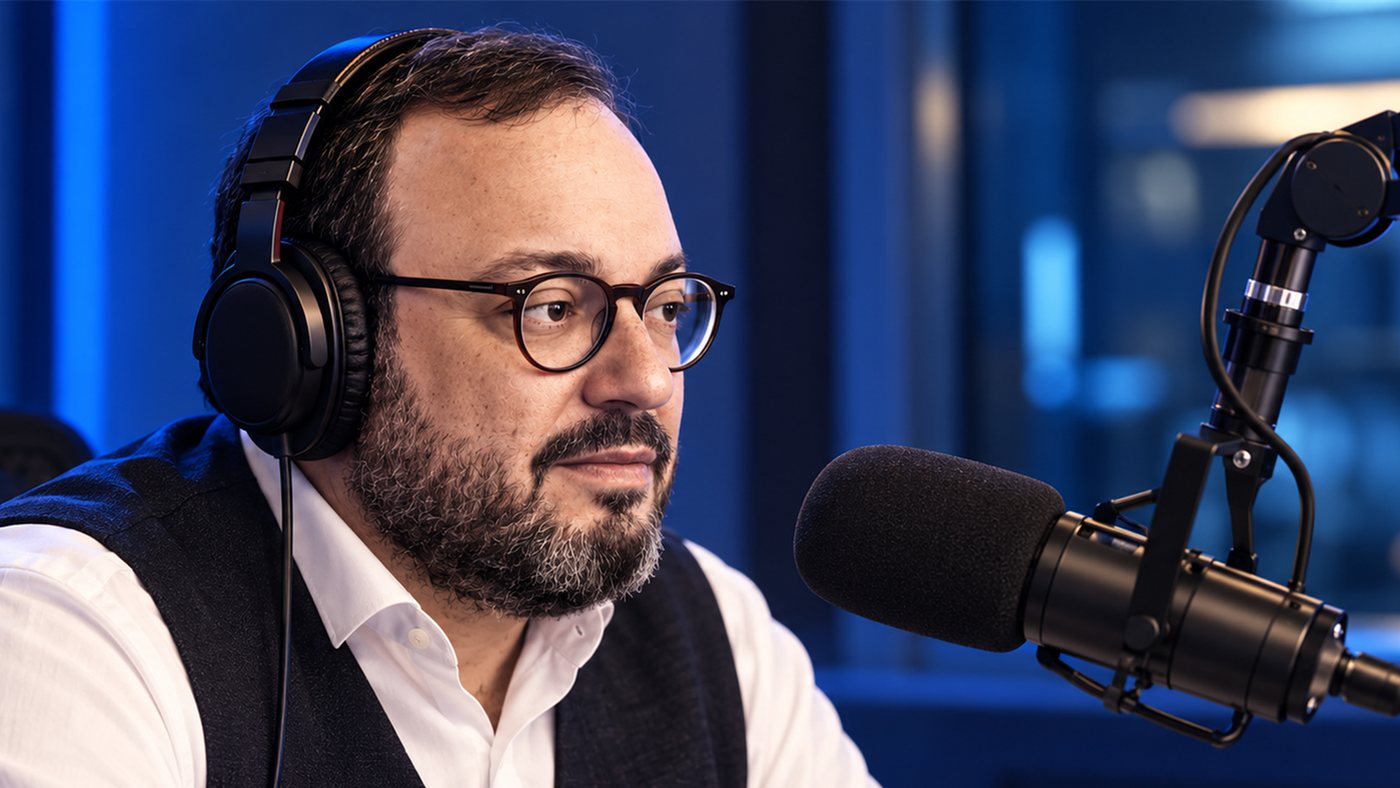
On Radio Svoboda, political analyst and publicist Stanislav Belkovsky analyzed what Vladimir Putin expects from Donald Trump and how their possible meeting might unfold. Trump's upcoming trip to China was a separate topic. According to Belkovsky, Trump will dominate as a politician of global scale, whereas Putin is a local politician. "Trump is obliged to dominate, because otherwise he cannot be great," he said.
Belkovsky argued that Putin's advantage lies in the absence of democracy and independent institutions, which expands his arsenal of means compared to Trump, who is constrained by Congress, the judiciary, and the expert community.
What Putin Can Present as a Victory
According to Belkovsky, Putin will try to sell possible agreements with Trump to Russian society as a "new Yalta," using state propaganda. As an example, he cited the refusal to expand NATO, which, he said, costs Washington almost nothing but gives Moscow much symbolically. If the conflict is frozen along the front line, Putin, in the analyst's view, will emphasize de facto recognition of control over territories rather than de jure.
Belkovsky also spoke of risks for Putin: war entails costs, the economy's margin of safety is not infinite, though he did not predict a rapid collapse of the system. Responding to a question about a "black swan," he noted that it is impossible to predict, but a palace coup is not excluded.
Trump and Global Trends
Belkovsky explained the Trump phenomenon by overdue changes rather than by the politician's own actions. According to him, Trump embodies retribution against elites for "corruption, hypocrisy, incompetence, and arrogance," as well as the West's search for identity. He called Trump a "right-left candidate" and a "working-class candidate," noting the blurring of boundaries between right and left.
Belkovsky argued that Trump aims to fragment the European Union, and that Elon Musk's support for Eurosceptic forces is, in his view, coordinated with Trump. He separately commented on major American companies abandoning diversity programs: according to him, this is linked to Trump's arrival, but not through direct instructions—rather, companies sensed an opportunity to save money.
Ukraine and Russia
Turning to Ukraine, Belkovsky stated that Volodymyr Zelensky is ready to continue the war, since the idea of peace is not an end in itself for him. He also expressed respect for the courage of the Ukrainian people, noting Zelensky's role in the first days of the war. Russia, he said, remains a personalist dictatorship where nothing will change fundamentally, and Putin is a right-wing politician preserving the past.
As for his own future, Belkovsky said he would like to see himself in Russia, but for now sees no such possibility and has inwardly come to terms with not returning. He said he has long ceased working in political technology.
1